

WeVote

Bill

Bill

SB 1220

CRIME REDUCTION-DRUG DETECT

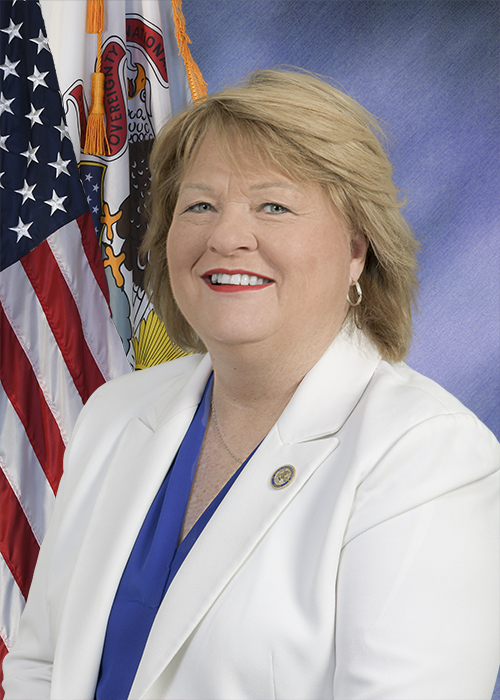
104th Regular Session Introduced by Terri Bryant

Authorizes drug-detecting scanners to screen inmate and supervised mail/packages; expands evidence-based programming and ties earned time to program completion.

Referred to Assignments
0
WeVote Research Nonpartisan
Bill Summary · SB 1220

Summary — SB 1220 (Crime Reduction — Drug Detect)

Status: Introduced (Illinois SB1220, 2025)
Primary sponsor: Sen. Terri Bryant
Introduced: Jan 24, 2025 (bill text filed with Secretary; related references show activity in early 2025)

Purpose

To amend the Illinois Crime Reduction Act of 2009 to (1) authorize and require the Department of Corrections (DOC), Parole Division and Prisoner Review Board to adopt policies permitting the use of drug‑detecting scanning devices on mail and packages for inmates and supervised individuals, and (2) continue/expand provisions requiring evidence‑based programming and related in‑prison services.

Key provisions

  • Authorizes the Parole Division and the Prisoner Review Board to adopt policies, rules, and regulations that allow the DOC to use drug‑detecting scanning devices to screen packages and mail for supervised individuals.
  • Requires DOC policies to authorize and implement use of drug‑detecting scanning devices to scan prisoners’ packages and mail where suspected drugs are involved.
  • Specifically directs the Sheridan Correctional Center (named facility) to implement the use of drug‑detecting devices to scan all prisoner mail and packages for suspected drugs.
  • Retains and amends broader “evidence‑based programming” requirements in the Illinois Crime Reduction Act:
    • Targets for delivery of evidence‑based supervision and in‑prison programming: at least 25% within 1 year, 50% within 3 years, and 75% within 5 years of adopting a statewide standardized risk assessment tool (both for supervised individuals and incarcerated individuals).
    • Requires standardized individual case plans tied to assessments, concentration of resources on high‑risk offenders, use of cognitive behavioral therapy and workforce/education programs, and staff training.
  • Links participation/completion of programming to earned time credits under existing law (Section 3‑6‑3 of the Unified Code of Corrections).
  • Directs DOC to provide staff training for implementing evidence‑based practices, assessment, and case planning.

Who is affected

  • Department of Corrections, Parole Division, and Prisoner Review Board (policy adoption, procurement, training, and operations).
  • Incarcerated people and individuals under supervision (their mail and packages may be scanned; programming and earned‑time eligibility affected).
  • Facilities (Sheridan Correctional Center explicitly named) and any contractors handling inmate/supervisory mail and packages.
  • Potentially victims, families, and the public through changes in contraband control and reentry programming.

Implementation considerations & potential impacts

  • Operational: procurement of drug‑detecting scanning equipment, training, staffing, and procedures for handling detections and contraband seizures.
  • Costs: not specified in the bill text; likely require capital and ongoing operational funding, plus staff training.
  • Legal/privacy: scanning of mail/packages raises potential questions about privacy, attorney‑client communications, and oversight processes; the bill authorizes screening particularly for suspected drugs but details of scope and protections are left to agency rules.
  • Public safety: intended to reduce drug contraband entering prisons and into supervised populations, which may reduce in‑facility drug use and related harms.
  • Reentry outcomes: combined with the bill’s evidence‑based programming targets, the measure aims to reduce recidivism by expanding treatment, education, and cognitive‑behavioral interventions.

Procedural/timing notes

  • The provision is an amendment to Section 10 (Evidence‑based programming) of the Illinois Crime Reduction Act (730 ILCS 190/10).
  • The bill as filed adds authorizations for DOC and supervising bodies to adopt implementing policies; timelines for equipment deployment and programming are driven by agency rulemaking and the staged percentage targets tied to adoption of a statewide risk assessment tool.

Compiled from official sources — confirm details with the bill’s official record.

Sign in to ask a question.