

WeVote

Bill

Bill

HF 2876

Crime of transferring bodily fluids at or onto certain individuals established, and offense of fourth-degree assault expanded to include all people providing health care services.

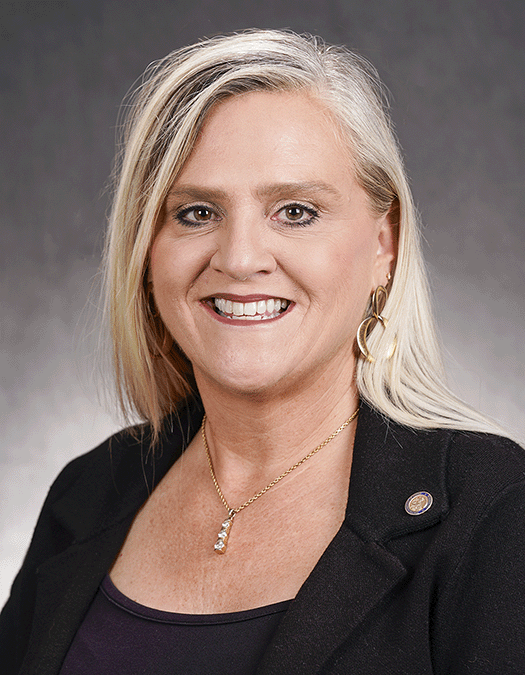
2025-2026 Regular Session Introduced by Pam Altendorf and 1 co-sponsor

Minnesota bill criminalizes intentional bodily fluid transfer and expands assault protections to all healthcare workers, deterring occupational violence risks.

Introduction and first reading, referred to Public Safety Finance and Policy
0
WeVote Research Nonpartisan
Bill Summary · HF 2876

Legislative bill overview

HF 2876 creates a new crime for transferring bodily fluids at or onto certain individuals and expands fourth-degree assault laws to include all healthcare workers. The bill specifically targets violent incidents where bodily fluids are deliberately transferred—such as spitting, blood exposure, or other bodily fluid contact—making such acts criminal offenses with enhanced protections for healthcare personnel.

Why is this important

Healthcare workers and other essential personnel face occupational risks of assault and bodily fluid exposure that can transmit serious diseases. This bill aims to deter such attacks and provide legal recourse for workers who experience these incidents, which have increased in frequency in healthcare and law enforcement settings. It recognizes bodily fluid transfer as a distinct public health and safety concern beyond standard assault statutes.

Potential points of contention

  • Definition clarity: The bill must precisely define "transferring bodily fluids" to distinguish intentional acts from accidental exposure, which could affect enforcement and whether charges are appropriate in borderline cases
  • Scope of "certain individuals": The language appears to expand protections beyond healthcare workers to unspecified others, raising questions about which professions or groups qualify and whether this creates inconsistent legal standards
  • Proportionality concerns: Critics may argue that creating a separate crime for bodily fluid transfer duplicates existing assault and battery laws, potentially leading to redundant or excessive charges for single incidents

Compiled from official sources — confirm details with the bill’s official record.

Sign in to ask a question.