

WeVote

Bill

Bill

SB 4195

CRIM PRO-REVOC PRETRIAL RELEAS

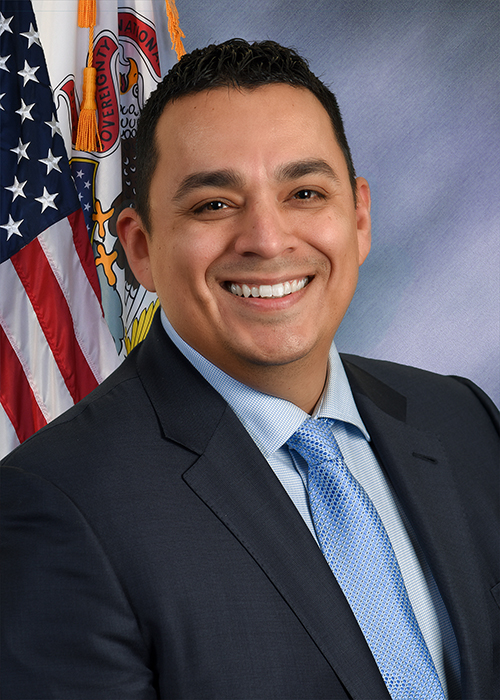
104th Regular Session Introduced by Li Arellano and 11 co-sponsors

SB4195 tightens pretrial release control by allowing revocation and immediate detention if a defendant on release, including electronic monitoring, is alleged to commit a new felon

Added as Co-Sponsor Sen. Li Arellano, Jr.
0
WeVote Research Nonpartisan
Bill Summary · SB 4195

Summary of SB4195 (104th General Assembly, Illinois)

Purpose and intent

  • The bill amends the Code of Criminal Procedure of 1963 to tighten enforcement around pretrial release conditions for defendants, specifically addressing electronic monitoring and revocation when new felony charges arise during pretrial release.
  • It creates a streamlined mechanism to revoke pretrial release and return to detention when probable cause shows the defendant committed a felony during pretrial release, while allowing for timely hearings and clear procedures.

Key provisions and changes

  • Section 110-6 overview (amended):

    • Pretrial release for a felony or Class A misdemeanor can be revoked only if:
    • The defendant is charged with a felony or Class A misdemeanor alleged to have occurred during pretrial release.
    • A hearing occurs on the court’s own motion or upon a verified petition filed by the State.
    • If the defendant on pretrial release is charged with a violation of a protective order involving the same victim as the current case, the State must file a verified petition seeking revocation.
  • Transfer and hearing timeline for revocation:

    • Upon filing for revocation, the defendant and petition/motion are transferred to the court handling the prior felony/Class A misdemeanor case.
    • The defendant may be held in custody pending transfer.
    • Revocation hearing must occur within 72 hours of the petition/motion filing.
  • In-person hearings and telepresence:

    • Revocation hearings must be in person, unless:
    • The defendant waives in-person appearance,
    • Health/safety concerns require otherwise, or
    • A chief circuit judge orders the use of remote proceedings due to operational challenges (documented and approved, with ongoing improvement plans reviewed twice yearly).
  • Burden of proof:

    • The State must prove by clear and convincing evidence that:
    • The defendant committed an act violating a term of pretrial release,
    • The defendant knew of the violation,
    • The violation was willful, and
    • The violation was not caused by lack of financial resources.
  • Possible outcomes at revocation hearing:

    • The court may revoke pretrial release after the hearing, or
    • In lieu of revocation, the court may release the defendant pretrial with modified conditions.
  • Post-revocation procedures:

    • If the underlying case resulting in revocation is dismissed or the defendant is found not guilty, the court must promptly hold a hearing on pretrial release conditions and release the defendant with or without modification.
  • Appeals:

    • Both the State and the defendant may appeal an order revoking pretrial release or denying a petition for revocation.
  • Electronic monitoring revocation (new subsection a-5):

    • Specifically provides that when a defendant previously released on electronic monitoring as a condition of release has probable cause found for a felony alleged to have occurred during pretrial release, that release shall be revoked and pretrial detention continues pending resolution of charges.
  • Class B/C misdemeanors, petty/business offenses, and ordinance violations:

    • If the defendant previously released for a Class B/C misdemeanor and is charged with a felony or Class A misdemeanor alleged to have occurred during pretrial release, pretrial release may not be revoked, but sanctions may be imposed under subsection (c).
  • Sanctions framework (Section 110-3 related procedures):

    • The bill references existing sanction procedures for violations of pretrial release, including possible detention up to 30 days or other court-ordered sanctions, and requires proper notices to victims.
  • Victim notification:

    • Crime victims must receive notice of hearings related to revocation and be informed of opportunities to obtain protective orders.
  • Additional notes:

    • The bill preserves existing authority to file petitions to deny pretrial release under other subsections and to pursue sanctions for violations of pretrial release not involving revocation.

Who is affected

  • Defendants who have previously been granted pretrial release for felonies or Class A misdemeanors, particularly those on electronic monitoring as a release condition.
  • Courts handling prior felony/Class A misdemeanor cases and the current case in which the alleged new offense occurred during pretrial release.
  • State’s Attorneys and defense counsel representing defendants in revocation or sanctions hearings.
  • Crime victims, who receive enhanced notice regarding hearings and protective-order opportunities.

Procedural and timeline aspects

  • Revocation hearings are required within 72 hours of filing the petition/motion for revocation.
  • If revocation is pursued, transfer to the court handling the prior case should occur promptly to avoid delay.
  • In-person hearings are preferred unless specific exceptions apply (waiver, health/safety, or chief judge authorization due to operational challenges).
  • The electronic monitoring revocation provision (a-5) creates a direct pathway to revoke release upon probable cause findings for offenses occurring during pretrial release.

Overall impact

  • SB4195 tightens control over pretrial release conditions by allowing revocation and immediate detention when a defendant on release (including electronic monitoring) is alleged to have committed a new felony during release.
  • It introduces clear procedural timelines, burdens of proof, and protections for victims while maintaining avenues for sanctions and potential modification of release conditions.
  • The bill aims to enhance public safety and ensure release conditions are actively enforced during pretrial management.

Compiled from official sources — confirm details with the bill’s official record.

Sign in to ask a question.