

WeVote

Bill

Bill

SB 113

CRIM PRO-PRETRIAL DETENT-PROOF

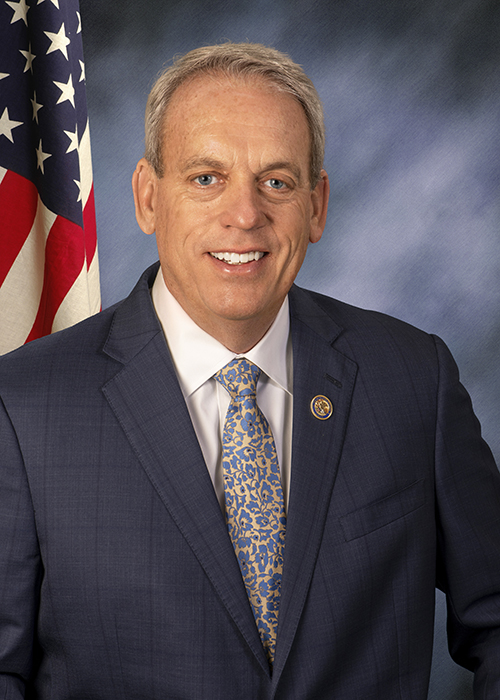
104th Regular Session Introduced by Dale Fowler and 3 co-sponsors

Senate Bill 113 modernizes Alaska's corporate tax by taxing digital sales based on market location, ensuring fair taxation for online businesses and encouraging growth.

Added as Co-Sponsor Sen. Dale Fowler
0
WeVote Research Nonpartisan
Bill Summary · SB 113

Summary of Senate Bill 113 (SB 113)

Overview

Bill Number: SB 113
Title: Revise exemptions related to tow truck lien law
Status: Chapter Number Assigned
Introduced: February 26, 2025
Classification: Bill
Subject: Motor Vehicles

Senate Bill 113 aims to modernize Alaska's corporate income tax laws to better reflect the realities of the digital economy. The bill introduces two significant reforms to the state's tax apportionment system: adopting market-based sourcing for sales and implementing a single sales factor for highly digitized businesses.

Purpose and Intent

The primary intent of SB 113 is to ensure that income generated by businesses operating in Alaska, particularly those in the digital space, is fairly taxed. The bill seeks to address the limitations of the existing three-factor apportionment formula, which was designed for traditional brick-and-mortar businesses and does not adequately account for online sales.

Key Provisions

  1. Market-Based Sourcing:

    • The bill amends Alaska’s codification of the Multistate Tax Compact to establish that sales are considered to occur in Alaska if the market for those sales is in the state.
    • This change replaces the current "cost of performance" method, which allows out-of-state businesses to argue that sales to Alaskans do not occur within the state.
  2. Single Sales Factor for Highly Digitized Businesses:

    • For businesses classified as "highly digitized," only the sales factor will be used for tax apportionment.
    • A business qualifies as highly digitized if at least 50% of its Alaska sales are derived from electronic means, including intangible property and services related to internet technology.
  3. Retention of Traditional Three-Factor Formula:

    • The traditional three-factor formula (sales, property, payroll) will still apply to brick-and-mortar businesses, ensuring that the new provisions do not adversely affect them.
  4. Effective Date:

    • The new apportionment methods will take effect for tax years beginning January 1, 2026.

Impact

Who Would Be Affected:

  • Businesses: The bill primarily affects corporations that conduct significant sales in Alaska, especially those operating online. This includes both out-of-state companies and local businesses that rely on digital sales.
  • Consumers: The reforms are expected to have little to no impact on consumer prices, as online businesses typically set prices at a national level.

Potential Benefits:

  • Fair Taxation: By aligning the tax system with modern business practices, SB 113 aims to ensure that companies contributing to Alaska's economy are taxed appropriately.
  • Encouragement for Digital Businesses: The single sales factor is designed to eliminate disincentives for high-tech companies to establish operations in Alaska, potentially fostering economic growth and job creation.

Concerns Raised:

  • Legal Challenges: Some stakeholders have raised concerns about potential violations of the Commerce Clause, particularly regarding the imposition of taxes on out-of-state businesses.
  • Impact on Small Businesses: There are worries that the new compliance requirements may disproportionately burden small businesses, particularly those run by Alaska Native entrepreneurs.

Procedural Aspects

  • Legislative Journey: SB 113 has passed through various legislative stages, including committee reviews and amendments, before being signed into law.
  • Fiscal Note: The bill does not alter existing corporate income tax rates or brackets, focusing solely on the methodology for tax apportionment.

Conclusion

Senate Bill 113 represents a significant shift in Alaska's corporate tax framework, aiming to modernize the tax system in response to the growing digital economy. By adopting market-based sourcing and a single sales factor for highly digitized businesses, the bill seeks to ensure fair taxation while promoting economic growth in the state.

Compiled from official sources — confirm details with the bill’s official record.

Sign in to ask a question.