

WeVote

Bill

Bill

SB 3834

CRIM PRO-CHILD VICT-TESTIMONY

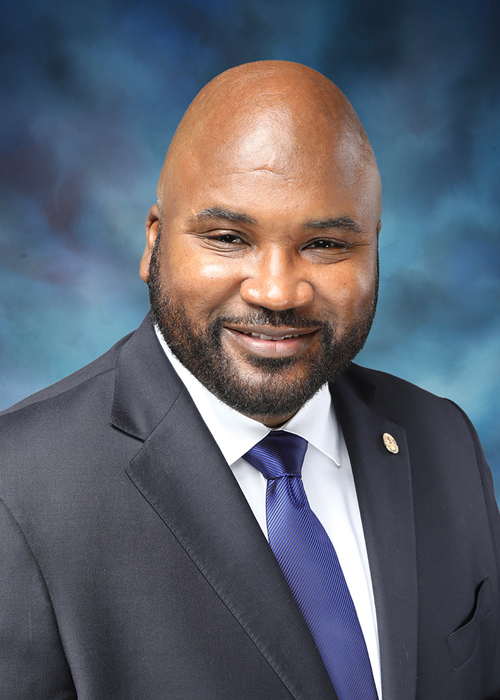
104th Regular Session Introduced by Elgie Sims

The bill standardizes child-friendly, trauma-aware testimony methods and protections (including support, admissibility guidelines, and trained personnel) for child witnesses.

Rule 3-9(a) / Re-referred to Assignments
0
WeVote Research Nonpartisan
Bill Summary · SB 3834

Executive summary

SB 3834 (104th Illinois General Assembly) seeks to regulate the use of testimony from child victims in criminal proceedings, addressing procedures and protections designed to support child witnesses while ensuring fair judicial processes. The bill, co-sponsored by Elgie Sims, focuses on child victim testimony within criminal trials and related settings.

Purpose and intent

  • Improve the handling of testimony given by child victims in criminal cases to reduce trauma, enhance accuracy, and maintain the integrity of the judicial process.
  • Establish clear guidelines for allowable testimony methods, witness support, and the use of specialized procedures to accommodate younger or more vulnerable witnesses.
  • Balance the needs of child victims with the rights of defendants and the overall administration of justice.

Key provisions and effects

Note: The summary below covers anticipated categories common to bills of this nature. Specific statutory language and section numbers may be updated in the enrolled bill.

  • Testimony procedures

    • Establish or expand child-friendly testimony methods (e.g., closed or aged-based environments, use of screens, one-way mirrors, or other protective measures) intended to minimize intimidation and re-traumatization during testimony.
    • Permit or standardize the use of prerecorded testimony or testimony via video or other remote means in certain cases, subject to court approval and protective safeguards.
    • Set criteria for when alternative testimony methods may be used, including the age of the child, the nature of the offense, and the appropriateness as determined by the judge.
  • Protective and support measures

    • Require or authorize victim support services for child witnesses, such as the presence of a guardian ad litem, child advocate, or court-appointed support person.
    • Mandate procedural protections to limit questions that are overly repetitive, leading, or emotionally abusive, with emphasis on minimizing harm to the child.
  • Disclosure and admissibility

    • Clarify rules about the admissibility of testimony obtained from child witnesses, ensuring compliance with due process while protecting the welfare of the child.
    • Provide guidance on how testimony obtained in alternative formats (e.g., recorded interviews) may be used during trial.
  • Training and implementation

    • Impose training requirements for judges, prosecutors, defense counsel, and court personnel on traumatized child testimony and appropriate examination techniques.
    • Establish timelines or deadlines for implementing new procedures within courts or jurisdictions covered by the bill.

Who is affected

  • Child victims and witnesses in criminal cases, particularly those involving offenses against minors.
  • Prosecutors, defense attorneys, and judges who handle cases with vulnerable child witnesses.
  • Court personnel, advocates, and support services dedicated to child welfare and victim assistance.
  • Potentially, sheriffs and law enforcement agencies involved in interviewing child witnesses, depending on the bill’s alignment with investigative procedures.

Procedural and timeline considerations

  • The bill may specify effective dates, phased implementation, or interim compliance periods for courts to adopt the new testimony procedures.
  • There could be reporting requirements to a state department or court system on the use and effectiveness of child testimony measures.
  • Potential for rulemaking or guidance from Illinois administrative bodies to standardize practices across jurisdictions.

Potential implications

  • Improved safety and comfort for child witnesses could enhance the accuracy and completeness of their testimony.
  • Protecting children from re-traumatization may affect how evidence is gathered and presented, potentially influencing trial dynamics.
  • Training and implementation requirements may require resource allocation for courts and prosecutorial offices.

Note: For exact statutory language, section numbers, and precise operational details, refer to the enrolled bill text and accompanying fiscal notes or impact statements once available.

Compiled from official sources — confirm details with the bill’s official record.

Sign in to ask a question.