

WeVote

Bill

Bill

SB 1199

CRIM CD-HATE CRIME-SAFETY

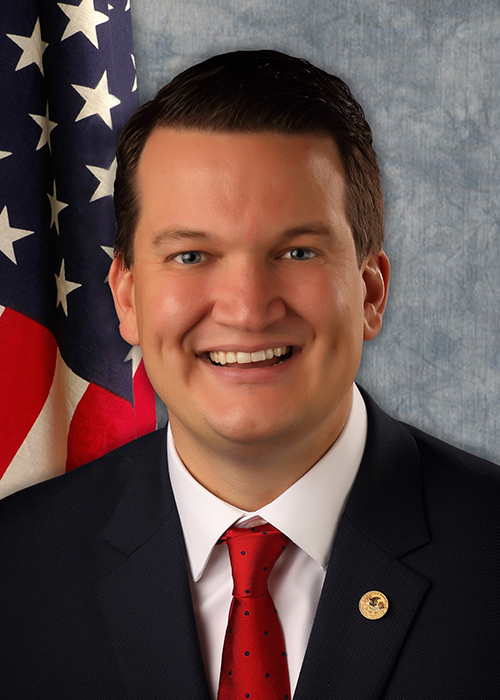
104th Regular Session Introduced by Andrew Chesney

Illinois expands hate-crime protections by adding actual or perceived employment as a peace officer, or retired status, as a protected characteristic.

Referred to Assignments
0
WeVote Research Nonpartisan
Bill Summary · SB 1199

Summary — SB 1199 (CRIM CD — Hate Crime / Safety)

Note: The submitted bill text contains material from multiple jurisdictions (an Illinois LRB draft, separate Arizona and Hawaii draft language, and mixed sponsor names). This summary focuses on the primary LRB/Illinois draft (LRB10403903RLC13927b) titled “CRIM CD‑HATE CRIME‑SAFETY” introduced by Sen. Andrew S. Chesney. Verify jurisdiction/sponsor if you need a single authoritative version.

Purpose

Amend Illinois’ hate‑crime statute (720 ILCS 5/12‑7.1) to make a person’s actual or perceived employment as a peace officer — and status as a retired peace officer — a protected characteristic for the purpose of hate‑crime enhancements. The amendment makes certain offenses punishable as hate crimes when motivated by that employment/status, regardless of any other motivating factor(s).

Key provisions

  • Adds “actual or perceived employment as a peace officer or status as a retired peace officer” to the list of characteristics that can give rise to a hate crime under 720 ILCS 5/12‑7.1.
  • Applies this protection “regardless of the existence of any other motivating factor or factors” when the defendant commits listed offenses.
  • Enumerates covered offenses (as already referenced in the statute): assault, battery, aggravated assault, various stalking and harassment offenses (including cyberstalking, transmission of obscene messages, harassment by telephone/electronic communications), misdemeanor theft, criminal trespass (residence, vehicle, real property), misdemeanor criminal damage to property, mob action, disorderly conduct, and related statutory subsections cited in 12‑7.1(a).
  • Sentencing and post‑conviction conditions:
    • The statute’s existing felony classifications (Class 4 first offense / Class 2 for repeat offenses) remain, with certain circumstances elevating to Class 3 for a first offense (subsection (b‑5)) when offenses occur in/near protected places (e.g., places of worship, schools, cemeteries, public parks) — those provisions are retained in the amended text.
    • On sentencing, courts must order restitution to the victim or impose a fine; additional conditions include mandatory public/community service and enrollment in an educational program discouraging hate crimes.
    • Specifically: community service of not less than 200 hours where available in the convicting county; enrollment in an in‑person educational program addressing the protected class involved (programs may be run by universities, community colleges, nonprofits, the Illinois Holocaust and Genocide Commission, etc.). The bill bars remote/online programs for this purpose.
    • If the defendant is sentenced to imprisonment, the court may require these conditions as part of mandatory supervised release.
  • Civil remedies (subsection (c)):
    • Independent of criminal proceedings, a person injured by a hate crime may bring a civil action for damages (including emotional distress) and punitive damages; court may impose a civil penalty up to $25,000 per violation.
    • Successful plaintiffs recover attorney’s fees and costs. The Attorney General may bring an action after consulting the local State’s Attorney and seek injunctive relief and civil penalties. Parents/guardians may be liable for judgments against unemancipated minors up to limits in the Parental Responsibility Law.

Who is affected

  • Active and retired peace officers (as victims) — now expressly protected under the hate‑crime statute.
  • Defendants committing the enumerated offenses against peace officers may face enhanced charges and additional sentencing conditions.
  • Prosecutors, courts, correctional authorities, and victims (who gain a civil cause of action).
  • Organizations providing mandated educational programs (must provide in‑person instruction).

Effective date

  • The bill sets an effective date of January 1, 2026.

Legislative status / timeline (as provided)

  • Introduced (filed with Secretary) Jan 24, 2025 (introduced by Sen. Andrew S. Chesney in the LRB version).
  • Received and filed Feb 10, 2025 (per the top metadata).
  • Referred to Criminal Justice (and other committees in the mixed record).
  • Public hearing held Apr 29, 2025; testimony taken; bill left pending in committee.

Notes / caveats

  • The supplied document mixes multiple SB 1199 texts from different states (Illinois LRB draft, Arizona, Hawaii), and sponsor lists in the provided metadata appear to reflect other jurisdictions. This summary isolates the Illinois LRB draft content. Confirm which state’s SB 1199 you intend to track before using this summary for official purposes.
  • The amendment does not create a standalone new crime but expands the set of protected characteristics that trigger hate‑crime treatment and associated penalties/remedies under existing statute language.

Compiled from official sources — confirm details with the bill’s official record.

Sign in to ask a question.