

WeVote

Bill

Bill

A 6255

Creates the "Commission on Battery Fire Safety Practices"

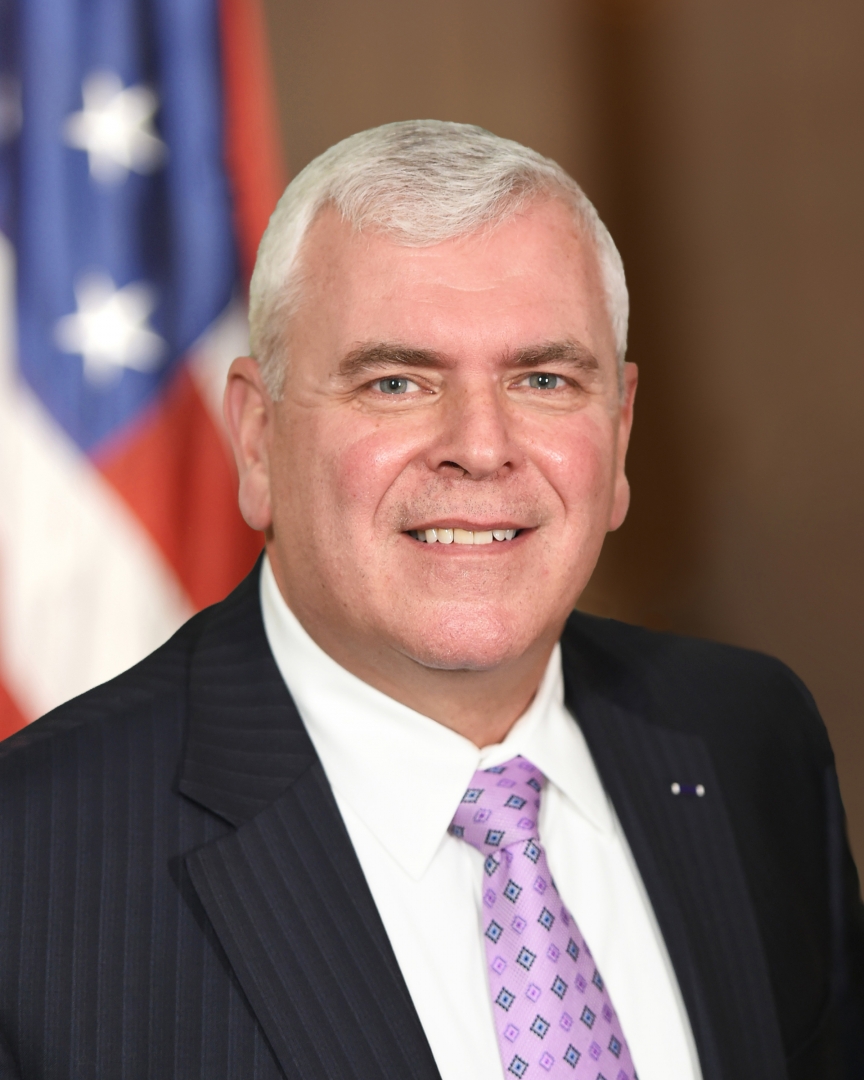
2025 Regular Session Introduced by Joe Angelino and 7 co-sponsors

Creates the Commission on Battery Fire Safety Practices to study, develop, and promote battery safety standards and guidance for use, storage, and handling.

REFERRED TO ENVIRONMENTAL CONSERVATION
0
WeVote Research Nonpartisan
Bill Summary · A 6255

Summary of Assembly Bill A 6255 (New York)

Overview

  • Bill number & title: A 6255 — Creates the “Commission on Battery Fire Safety Practices”
  • Status: Referred to the Environmental Conservation Committee
  • Introduced: February 27, 2025
  • Sponsors:

    • Primary: Philip Palmesano
    • Cosponsors: Jeff Gallahan, Chris Tague, David McDonough, Andrea Bailey, Keith Brown, Joe Angelino, Kenneth Blankenbush
  • Related bills: A 9191 and A 5386 (both from prior sessions), indicating prior consideration of battery fire safety issues.

Note: The information provided here does not include the bill’s text or its specific provisions. The summary focuses on the bill’s stated purpose and the available procedural details.

What the bill would do (as indicated by the title)

  • Establish a state body named the Commission on Battery Fire Safety Practices.
  • The title suggests a focus on developing and promoting safety practices related to battery use, storage, handling, and related fire safety concerns. However, the exact powers, duties, and scope of the commission are not provided in the information available.

Potential scope and structure (based on common features of commissions)

Because the actual text is not provided, the following are typical elements such commissions may include. These are not stated in the bill text and should be confirmed by reviewing the bill:

  • Composition: Appointment of members (e.g., state agency representatives, industry experts, fire safety professionals, consumer safety advocates).
  • Duties: Conduct studies, host hearings, publish reports or guidelines, recommend best practices and regulatory standards.
  • Reporting: Regular reports to the Legislature or executive branch; potential recommendations for statutory or regulatory updates.
  • Funding and staffing: Allocation of state funds, staff support, and potential grant programs.
  • Timeline and sunset: Duration of the commission and sunset provisions (whether it dissolves after a set period or transitions into another body).
  • Coordination: Interaction with the Department of Environmental Conservation and other relevant agencies (e.g., fire safety, emergency management, public health).

Who would be affected

  • State government: Environmental Conservation Department and other agencies involved in environmental, fire safety, and public health policy.
  • Industry and business sectors: Entities involved with batteries (manufacturers, distributors, retailers, storage facilities, and users of battery technology) may be subject to guidance, standards, or recommendations developed by the commission.
  • General public: Enhanced awareness of battery fire safety practices and potential changes in consumer or facility safety standards.

Procedural and timeline considerations

  • Current stage: The bill has been referred to the Environmental Conservation Committee. No floor action or passage information is provided.
  • Next steps for readers: To understand the bill’s specific provisions, obtain the full text, committee memo, and any fiscal impact statements. Monitor committee hearings and floor actions on the Assembly website or legislative tracking services.

Context and background

  • The existence of related bills in prior sessions (A 9191 and A 5386) suggests ongoing interest in battery fire safety and related regulatory approaches. Reviewing those prior bills may provide context on intended approaches and policy questions.

If you’d like, I can pull the full text, fiscal notes, and committee memo once they’re available to provide a more detailed, provision-by-provision analysis.

Compiled from official sources — confirm details with the bill’s official record.

Sign in to ask a question.