

WeVote

Bill

Bill

HB 2800

Creates grant programs to assist senior citizens in the property tax appeal process

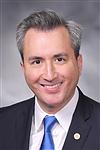
2026 Regular Session Introduced by Ken Jamison and 1 co-sponsor

HB 2800 would create grant programs to help eligible seniors pay for property tax appeal costs, aiming to reduce burden and improve assessments.

Referred: Emerging Issues(H)
0
WeVote Research Nonpartisan
Bill Summary · HB 2800

Bill Summary: HB 2800 (Missouri, 2026)

Purpose and intent

HB 2800 proposes to establish grant programs designed to assist senior citizens in the property tax appeal process. The primary aim is to help eligible older homeowners navigate and challenge property tax assessments, potentially reducing tax burdens on seniors who may face difficulties with valuation disputes or procedural hurdles.

Key provisions and changes

  • Creation of grant programs: The bill authorizes the state (or specified state agencies) to create one or more grant programs targeted at aiding senior citizens in appealing property tax assessments.
  • ** Eligible recipients and use of funds**:
    • Grants would be available to eligible senior citizens. Specific eligibility criteria (age thresholds, income limits, residency, asset tests, etc.) are not detailed in the provided summary, but are expected to be defined in the bill.
    • Funds from approved grants may be used to support activities related to property tax appeals, such as legal assistance, consultation, filing fees, or related administrative costs. The exact permitted uses and any caps on expenditures would be specified in the statute.
  • Administration and oversight:
    • The bill would establish administrative mechanisms for awarding, disbursing, and auditing grant funds.
    • Potential reporting requirements to the Legislature or a designated oversight body to monitor program effectiveness, fund utilization, and outcomes.
  • Funding and appropriations:
    • The bill would authorize appropriation of state funds to support the grant programs. The source of funds (general revenue, dedicated funds, or federal/state matching funds) and any annual appropriation limits would be defined in the text.
  • Program duration and sunset:
    • The legislation may specify the term of the grant programs and whether they are temporary (sunset) or permanent with periodic review, including renewal requirements.

Affected parties

  • Primary beneficiaries: Senior citizens who own property and face property tax assessment appeals and may benefit from grant-supported assistance.
  • Providers and partners: Nonprofit organizations, legal aid groups, attorneys, and other entities that assist with property tax appeals may participate as grant recipients or service providers.
  • State government: State agencies responsible for administering the grants and ensuring compliance with program rules.

Procedural and timeline aspects

  • Introduction and readings: HB 2800 was introduced and read for the first time on January 7, 2026, with a second reading on January 8, 2026.
  • Referral: The bill was referred to the Emerging Issues committee (H) on May 15, 2026, for consideration and potential discussion or hearings.
  • Sponsorship: Co-sponsored by Ken Jamison and Yolanda Young.

Potential impact and considerations

  • If enacted, the bill could reduce the out-of-pocket costs and barriers for seniors pursuing property tax appeals, potentially leading to lower tax bills or more accurate assessments for qualifying homeowners.
  • The effectiveness will depend on defined eligibility criteria, grant size, administration efficiency, and oversight to prevent misuse.
  • Integration with existing property tax administration and appeals processes will influence ease of access and utilization for seniors.

Note: The summary reflects the information available from the bill overview. The full text would provide precise definitions (e.g., eligibility, allowable costs, grant amounts, application procedures, and reporting requirements) necessary to assess implementation in detail.

Compiled from official sources — confirm details with the bill’s official record.

Sign in to ask a question.