

WeVote

Bill

Bill

HR 7721

CRACKDOWN Act of 2026

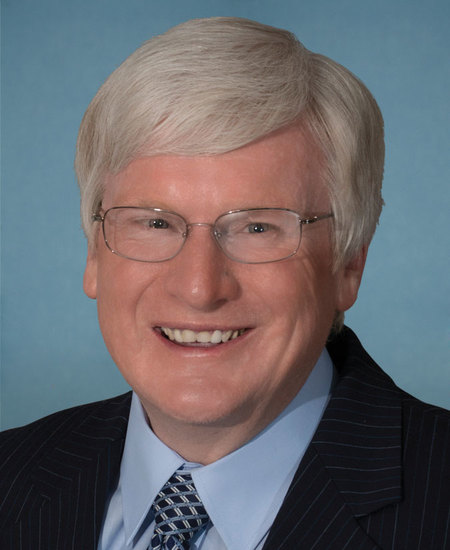
119th Congress Introduced by Glenn Grothman

The bill lowers the improper payment trigger for CCDBG to 5% and requires corrective action plans, with conditional ineligibility if rates stay above 5% for two years.

Reported (Amended) by the Committee on Education and Workforce. H. Rept. 119-587.
0
WeVote Research Nonpartisan
Bill Summary · HR 7721

Overview

  • Bill: HR 7721 (CRACKDOWN Act of 2026)
  • Purpose: Amend the Child Care and Development Block Grant (CCDBG) Act of 1990 to establish a statutory 5% improper payment threshold and require corrective action plans (CAPs) for states exceeding that threshold; authorize conditional ineligibility for CCDBG funding for states with persistently high improper payments.
  • Sponsor: Rep. Glenn Grothman (R-WI); companion amendments and committee actions reflected in the Education and Workforce Committee report.

Main purpose and intent

  • Codify a strict improper payment threshold for CCDBG administered by states.
  • Lower the trigger from an existing 10% threshold (under current practice) to a 5% threshold.
  • Require states exceeding 5% improper payments in a fiscal year to develop and obtain approval of a corrective action plan to bring the rate down to 5% or less in subsequent years.
  • Create conditional ineligibility for CCDBG funds if a state has improper payment rates above 5% for two consecutive fiscal years, unless the state demonstrates substantial progress toward CAP requirements.

Key provisions and changes

  • Section 658J (as amended):
    • (c) Improper Payment Threshold Requiring Corrective Action Plan:
    • If a state's improper payment rate for a fiscal year exceeds 5% of the total CCDBG payments for that year, the state must:
      • (1) Submit and obtain review/approval of a corrective action plan to reduce the rate to 5% or less for subsequent years.
      • (2) Provide required reports showing compliance with the approved CAP.
    • (d) Conditional Ineligibility:
    • If a state’s improper payment rate exceeds 5% for two consecutive fiscal years, the state becomes ineligible to receive CCDBG funds unless it demonstrates that it will either:
      • (1) reduce the rate to 5% or less for the next year, or
      • (2) show significant progress toward CAP compliance.
  • The bill preserves existing mechanisms for state reporting and for the Secretary to require CAPs and oversee compliance, but shifts the trigger and consequences to a stricter standard.

Who is affected

  • States administering CCDBG funds (lead state CCDF agencies) would be directly affected.
  • The U.S. Department of Health and Human Services (HHS), through the Administration for Children and Families (ACF), would implement CAP reviews, monitor compliance, and determine eligibility consequences.
  • CCDBG providers and participating families could experience changes in funding flows if a state becomes ineligible or faces CAP-driven adjustments, potentially impacting funding timelines and administrative processes.

Procedural and timeline aspects

  • Legislative path:
    • Introduced February 26, 2026; referred to the House Education and Workforce Committee.
    • Marked up and reported with amendments on March 5, 2026 (yea/nay 19–15).
    • Reported to the House and placed on the Union Calendar on April 6, 2026.
  • Effective date: The text does not specify a separate delay; changes apply in fiscal years after enactment, subject to annual improper payment determinations.

Context and rationale (as described in committee materials)

  • The bill responds to concerns about improper payments in CCDBG and argues that a 10% threshold has allowed unresolved issues to persist.
  • The sponsor argues that a 5% threshold would prompt earlier corrective action and protect taxpayer dollars, while critics (per minority views) warn that the measure could add administrative burden, risk disqualifying funds from providers serving families, and may not be tied to proven fraud.
  • The accompanying committee report references past concerns about fraud in CCDBG and stresses the need for oversight, while noting ongoing debates about program integrity vs. access to child care.

Note: The minority views in the report argue that the bill could elevate oversight burden and potentially harm the child care market without proven widespread fraud.

Compiled from official sources — confirm details with the bill’s official record.

Sign in to ask a question.