

WeVote

Bill

Bill

HR 5818

Country of Origin Labeling Enforcement Act of 2025

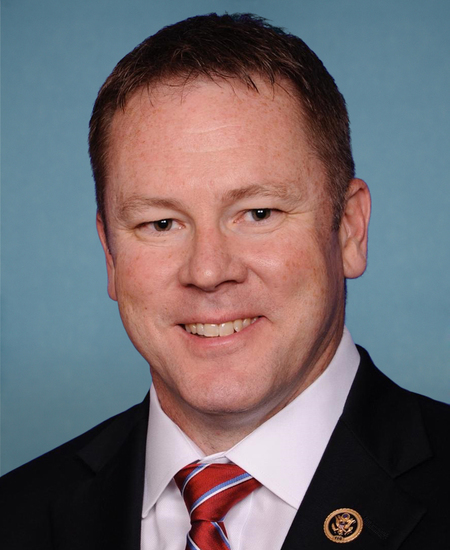
119th Congress Introduced by Warren Davidson and 11 co-sponsors

Country of Origin Labeling Enforcement Act of 2025 (HR 5818) SummaryThe Country of Origin Labeling Enforcement Act of 2025 is a bill introduced in the U.S. House of Representatives

Introduced in House
0
WeVote Research Nonpartisan
Bill Summary · HR 5818

Country of Origin Labeling Enforcement Act of 2025 (HR 5818)

Summary

The Country of Origin Labeling Enforcement Act of 2025 is a bill introduced in the U.S. House of Representatives that aims to strengthen requirements for country of origin labeling (COOL) on certain food and agricultural products. The primary goals of the bill are to:

  1. Expand COOL Requirements: Expand the list of covered commodities that must display country of origin information, including beef, pork, chicken, lamb, goat, fish, fruits, vegetables, and nuts.

  2. Enhance Enforcement: Increase penalties for non-compliance with COOL requirements, and provide more resources and authority to federal agencies to monitor and enforce COOL regulations.

  3. Improve Traceability: Establish new traceability requirements to enable better tracking of the origins of food and agricultural products throughout the supply chain.

Key Provisions

  • Requires country of origin labeling on a broader range of food and agricultural products, including many that were previously exempt.
  • Increases civil penalties for COOL violations from a maximum of $1,000 per violation to $10,000.
  • Provides additional funding and staffing to the USDA and FDA to enhance COOL compliance monitoring and enforcement efforts.
  • Mandates the development of a national traceability system to track the movement of covered commodities from production to retail sale.
  • Establishes new record-keeping requirements for entities throughout the supply chain to facilitate traceability.
  • Directs the USDA to issue updated COOL regulations within 1 year of the bill's enactment.

Impact and Affected Parties

The Country of Origin Labeling Enforcement Act would primarily impact:

  • Consumers: Expanded COOL requirements would provide consumers with more information about the origins of the food they purchase.
  • Farmers, Ranchers, and Food Producers: Stricter COOL rules and enhanced enforcement could increase compliance costs and administrative burdens.
  • Grocery Stores, Restaurants, and Retailers: These entities would be responsible for ensuring accurate COOL labeling and maintaining traceability records.
  • Federal Agencies: The USDA and FDA would receive additional resources and authority to monitor and enforce COOL regulations.

If enacted, the bill's provisions would take effect 1 year after the date of enactment to allow time for the development of updated COOL regulations and industry compliance.

Compiled from official sources — confirm details with the bill’s official record.

Sign in to ask a question.