

WeVote

Bill

Bill

HB 2835

Counties and county officers; election; district attorney; county sheriffs; nonpartisan; effective date.

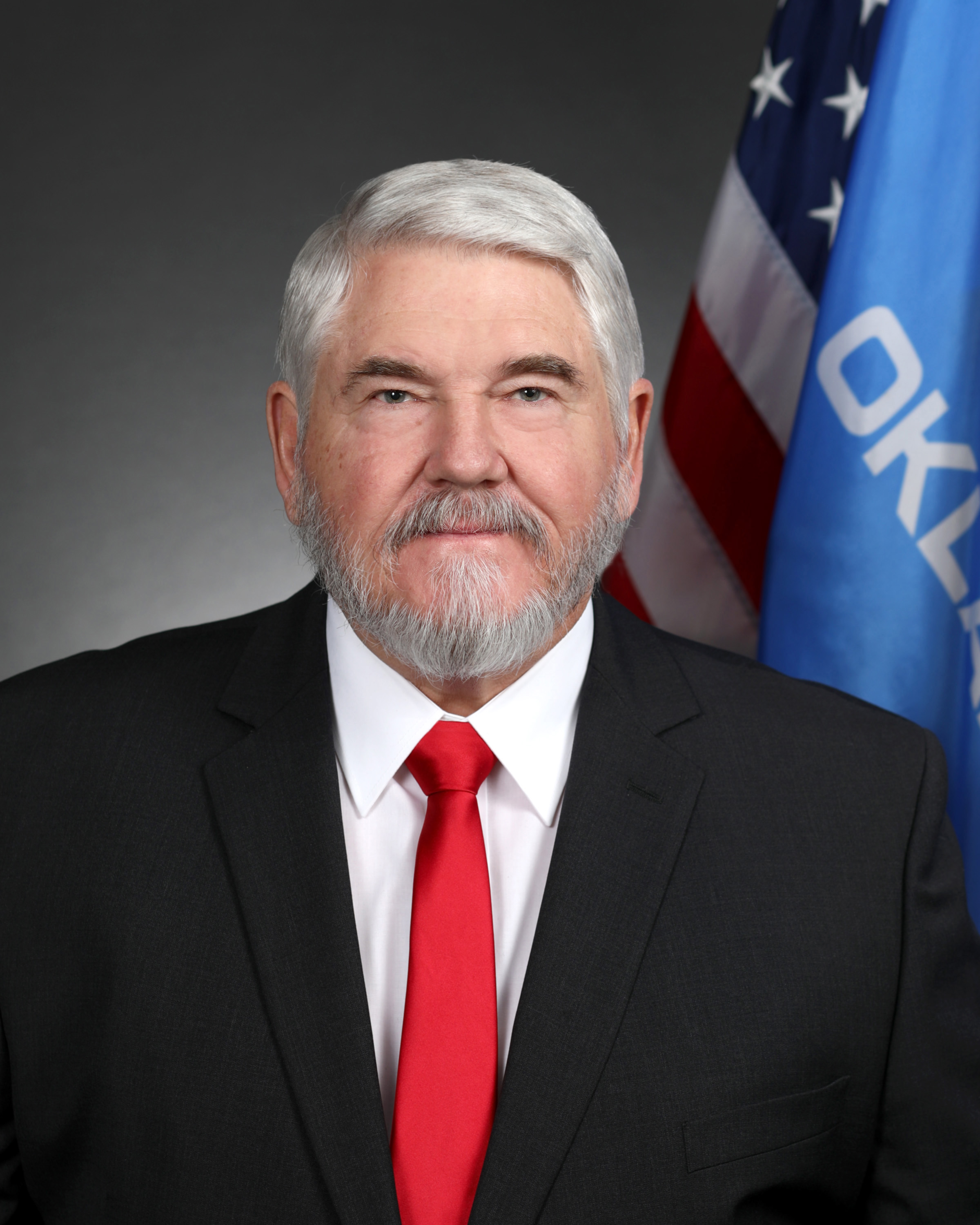
2026 Regular Session Introduced by George Burns

HB 2835 converts Oklahoma district attorney and county sheriff elections from partisan to nonpartisan races, removing party affiliations from ballots for these law enforcement positions.

Referred to Rules
0
WeVote Research Nonpartisan
Bill Summary · HB 2835

Legislative bill overview

HB 2835 proposes to make certain Oklahoma county offices—specifically district attorney and county sheriff positions—nonpartisan electoral races. Currently, these offices are elected on partisan ballots where candidates run with party affiliations. The bill would remove party designation from these races while keeping other county elections unchanged.

Why is this important

District attorneys and sheriffs wield significant prosecutorial and law enforcement power in their counties, affecting criminal justice outcomes and public safety policies. Converting these races to nonpartisan status could reshape campaign dynamics by potentially reducing straight-ticket voting and forcing candidates to build broader community support rather than relying solely on party infrastructure. This reflects a broader national debate about whether law enforcement positions should transcend partisan politics.

Potential points of contention

  • Party infrastructure concerns: Republicans and Democrats may oppose losing organizational advantages in these traditionally partisan races, affecting fundraising and get-out-the-vote operations
  • Voter confusion and participation: Nonpartisan races typically see lower voter turnout and less public awareness; some argue this disadvantages candidates without existing name recognition
  • Ideological consistency: Opponents may question why these offices should be nonpartisan while other county positions remain partisan, or vice versa, creating an inconsistent electoral framework

Compiled from official sources — confirm details with the bill’s official record.

Sign in to ask a question.