

WeVote

Bill

Bill

SB 2614

Corporal punishment; prohibit administration of in public and charter schools for disciplinary matters.

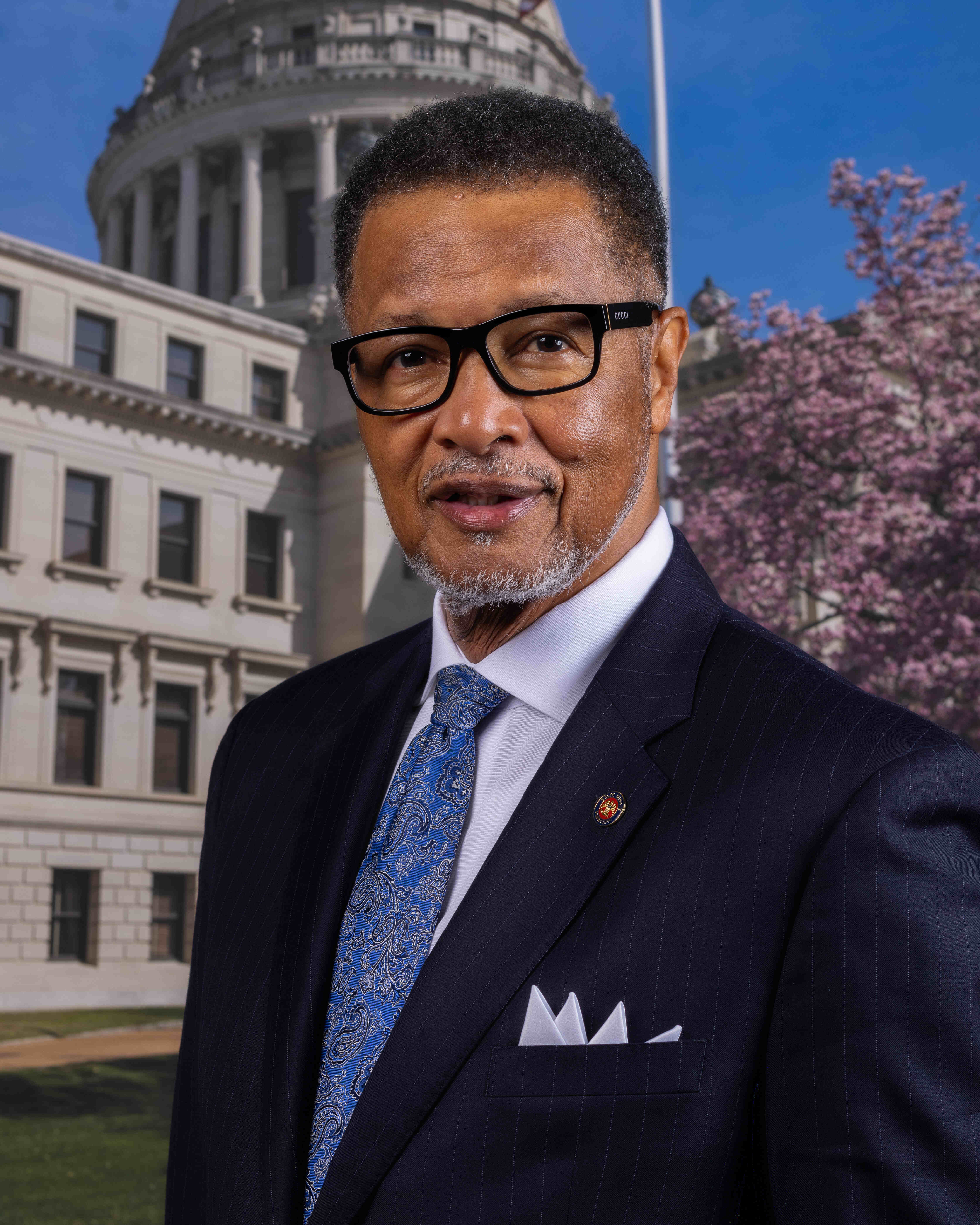
2025 Regular Session Introduced by Sollie Norwood

SB 2614: Prohibiting Corporal Punishment in Public and Charter Schools OverviewBill Number: SB 2614 Title: Corporal punishment; prohibit administration of in public and charter sc

Died In Committee
0
WeVote Research Nonpartisan
Bill Summary · SB 2614

SB 2614: Prohibiting Corporal Punishment in Public and Charter Schools

Overview

Bill Number: SB 2614
Title: Corporal punishment; prohibit administration of in public and charter schools for disciplinary matters.
Status: Died In Committee
Introduced: March 13, 2025

Purpose and Intent

The purpose of SB 2614 is to prohibit the use of corporal punishment, such as spanking or paddling, as a form of student discipline in all public and charter schools within the state. The bill's sponsors argue that corporal punishment is an outdated and harmful practice that disproportionately impacts marginalized students and can have long-term negative effects on child development and well-being.

Key Provisions

  • Prohibits public and charter school administrators, teachers, or other staff from using any form of physical punishment, including spanking, paddling, or other physical contact intended to inflict pain, as a disciplinary measure for students.
  • Requires schools to develop alternative, non-physical disciplinary policies and practices focused on positive reinforcement, restorative justice, and trauma-informed approaches.
  • Mandates comprehensive staff training on implementing the new disciplinary policies and supporting students' social-emotional and behavioral needs.
  • Establishes reporting requirements for any instances of corporal punishment, with penalties for non-compliance.

Affected Parties and Impacts

The bill would impact all students, teachers, and administrators in the state's public and charter school systems. Proponents argue it would create a safer, more supportive learning environment, particularly for vulnerable student populations who are disproportionately subjected to corporal punishment. Critics contend it would limit teachers' ability to maintain classroom order and discipline.

Procedural and Timeline Considerations

SB 2614 was introduced in the state legislature on March 13, 2025 but ultimately died in committee without receiving a full floor vote. The bill faced opposition from some education and parent groups, as well as concerns about the costs of implementing the new disciplinary policies and training requirements. Future attempts to pass similar legislation banning corporal punishment in schools may face an uphill battle, but the issue is likely to remain a topic of ongoing debate and policy consideration.

Compiled from official sources — confirm details with the bill’s official record.

Sign in to ask a question.