

WeVote

Bill

Bill

HB 1038

CONTROL SUB-FENTANYL PENALTIES

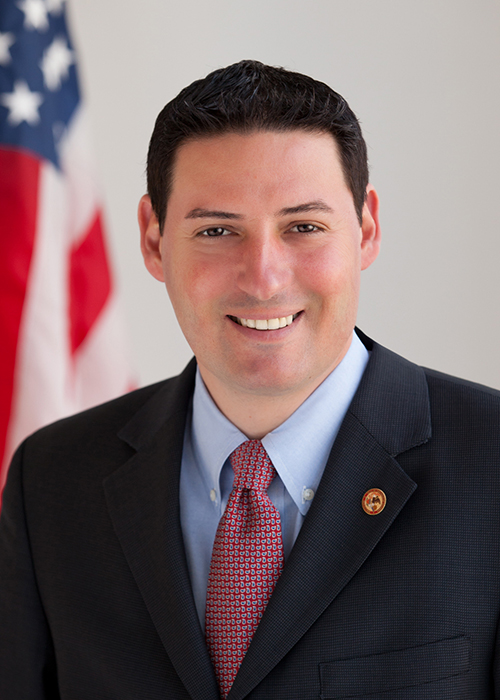
104th Regular Session Introduced by John Cabello and 5 co-sponsors

Illinois bill establishes state-level criminal penalties for manufacturing, distributing, or possessing fentanyl analog substances to combat synthetic opioid proliferation.

Added Co-Sponsor Rep. Christopher "C.D." Davidsmeyer
0
WeVote Research Nonpartisan
Bill Summary · HB 1038

Legislative bill overview

HB 1038 proposes to classify substances analogous to fentanyl (sub-fentanyl or fentanyl analogs) as controlled substances in Illinois and establish criminal penalties for their manufacture, distribution, and possession. The bill aims to address the proliferation of synthetic opioid variants that circumvent existing drug laws by modifying fentanyl's chemical structure while maintaining similar potency and effects.

Why is this important

Fentanyl analogs represent a significant public health threat, as they are often more potent than fentanyl itself and contribute substantially to opioid overdose deaths. By controlling these substances at the state level, Illinois seeks to close legal loopholes that allow manufacturers and dealers to produce and distribute dangerous drugs that weren't explicitly listed in prior legislation. This addresses a real-time challenge in drug enforcement, as new analogs emerge faster than they can be individually prohibited.

Potential points of contention

  • Definitional clarity: The broad language "analogous to fentanyl" may be difficult to enforce, potentially affecting legitimate pharmaceutical research or creating legal ambiguity about which compounds are covered
  • Federalism questions: Fentanyl analogs are already controlled at the federal level under the Analogue Enforcement Act; critics may question whether state-level duplication is necessary or if resources would be better spent on treatment and prevention
  • Sentencing severity: Depending on proposed penalties, critics may argue enhanced criminal sentences for drug possession perpetuate mass incarceration without addressing addiction as a public health issue

Compiled from official sources — confirm details with the bill’s official record.

Sign in to ask a question.