

WeVote

Bill

Bill

SB 797

Continuing of independent living and transitional support services for youth

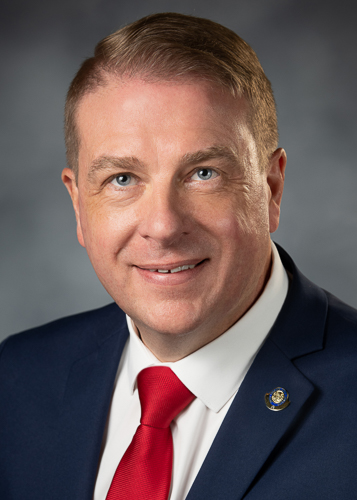
2026 Regular Session Introduced by Vince Deeds and 2 co-sponsors

SB 797 would extend and clarify independent living and transitional support services for youth aging out of state care, including funding and program scope.

To Finance
0
WeVote Research Nonpartisan
Bill Summary · SB 797

Summary of SB 797 (Session 2026) – West Virginia

Purpose and intent

  • SB 797 aims to continuing, expanding, and formally clarifying independent living and transitional support services for youth. The bill appears designed to sustain and enhance programs that assist youths in transitioning from state care or dependence on formal systems toward independent adulthood, with a focus on ongoing support during the transition period.

Key provisions and changes (highlights)

  • Continuation of Services: The bill seeks to extend access to independent living and transitional support services for eligible youth, ensuring continuity beyond initial eligibility periods.
  • Program Scope: Likely specifies the range of services covered, which may include housing supports, life skills training, education and employment assistance, mentoring, and case management. The exact delineation of services would be defined in the bill’s text.
  • Eligibility and Duration: Establishes criteria for who qualifies for services (e.g., age range, current status in care or previously served youth) and the length of time services can be received, including any sunset or renewal requirements.
  • Funding and Administration: Provisions to authorize or allocate state funding for these programs, potentially through the Department of Health and Human Resources or a related agency, and guidance on administrative oversight, reporting, and performance metrics.
  • Coordination: Encourages or requires coordination with other state agencies, like education or housing, to streamline services and avoid duplication.
  • Data and Evaluation: May include data collection, reporting requirements, and outcome measures to assess effectiveness (e.g., successful transitions to independence, employment, or postsecondary education).

Who would be affected

  • Youth: Potential participants who qualify for independent living or transitional support services, typically aging out of foster care or current beneficiaries of related programs.
  • State Agencies: Departments involved in health, human resources, housing, education, and related divisions that administer or fund the programs.
  • Service Providers: Organizations delivering independent living services, case management, housing assistance, mentoring, and related supports.
  • Taxpayers/General Public: Through state funding and accountability requirements, with potential fiscal impact depending on program expansion or continuation.

Procedural and timeline aspects

  • Introduction and Committees: Introduced in the Senate on February 6, 2026. Referred to Health and Human Resources and then Finance; later moved to Finance after initial committee consideration.
  • Action History: Reported “do pass, but first to Finance” on February 11, 2026, indicating the bill advanced out of a policy committee to the Appropriations/Finance committee for fiscal review and potential funding appropriations.
  • Next steps (if enacted): If the Finance committee approves, the bill would advance to the full Senate for floor consideration, then to the House (if passed by Senate) and formal enactment upon any needed reconciliation, signature by the governor, and potential effective dates. The exact effective date would be specified in the bill text (e.g., upon passage or a future date).

Notes

  • The provided timeline reflects early-stage movement; final details such as precise service definitions, eligibility, funding levels, and implementation deadlines will be contained in the bill’s full text and any subsequent amendments.
  • Co-sponsors include Mike Woelfel, Vince Deeds, and Patricia Rucker, indicating bipartisan sponsorship.

If you’d like, I can tailor this summary to emphasize specific provisions once the full text is available, or compare SB 797 to existing WV independent living programs to highlight changes in scope or funding.

Compiled from official sources — confirm details with the bill’s official record.

Sign in to ask a question.