

WeVote

Bill

Bill

HR 9155

CONSENT Act

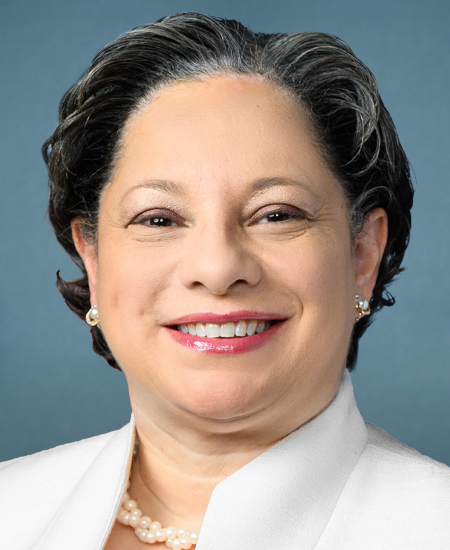
119th Congress Introduced by Jennifer McClellan and 1 co-sponsor

The CONSENT Act lets victims sue anyone who knowingly transmits non-consensual intimate visuals (including AI-forgeries) in interstate/foreign commerce, with damages and injunction

Introduced in House
0
WeVote Research Nonpartisan
Bill Summary · HR 9155

Overview

  • Bill: H.R. 9155, the CONSENT Act (Curbing Online Non-consensual Sexually Explicit Nudity Transfers Act)
  • Session: 119th Congress (introduced June 4, 2026)
  • Purpose: Create a private right of action against individuals who transmit unsolicited intimate visual depictions (including intimate digital forgeries) without the recipient’s consent.

Main purpose and intent

  • Establish a civil mechanism for victims to sue if someone knowingly transmits an intimate visual depiction to them without consent.
  • address non-consensual intimate imagery transmitted via interstate or foreign commerce or using any means of interstate/foreign communication.

Key provisions and changes

Definitions (Section 2(a))

  • Consent: Affirmative, conscious, voluntary authorization free from force, fraud, duress, misrepresentation, or coercion.
  • Intimate digital forgery: A manipulated or AI-generated depiction that
    • falsely represents the identifiable person or the conduct/content,
    • is created or altered using software/AI/tech,
    • is indistinguishable from an authentic depiction to a reasonable person.
  • Intimate visual depiction: As defined by existing law (a reference to 15 U.S.C. 6851 in the Consolidated Appropriations Act, 2022) and includes intimate digital forgery.
  • Transmit: Sending the depiction directly to one or more people; excludes publishing the depiction.

Civil Action (Section 2(b))

  • Private right of action against a sender (18 years or older, or a non-individual entity) who knowingly transmits an intimate visual depiction to a recipient without consent, via interstate/foreign channels or any means of interstate/foreign commerce.
  • Eligibility to sue:
    • Recipient can sue in federal district court for relief.
    • If the recipient is a minor, incapacitated, or incompetent, a legal guardian may sue on their behalf.
  • Privacy protections for minors:
    • Plaintiffs may elect to proceed under initials or pseudonyms in all court filings and proceedings.
  • Exceptions:
    • Actions may not be brought against someone transmitting for good faith medical, educational, or law enforcement purposes.
  • Relief available:
    • Statutory damages up to $1,000 or compensatory damages for emotional distress.
    • Attorneys’ fees and costs.
    • Temporary restraining order, preliminary injunction, or permanent injunction to stop further transmissions.
  • Relationship to criminal law:
    • The bill does not modify or supersede existing criminal laws.

Other provisions

  • Rule of construction: Protects First Amendment rights; does not abridge constitutional rights.
  • Severability: If any provision is unconstitutional, the rest remains in effect.

Who would be affected

  • Senders: Individuals 18+ or non-individual entities who transmit unsolicited intimate visual depictions without consent.
  • Recipients: Individuals who receive such depictions without consent in interstate/foreign commerce.
  • Guardians: If the recipient is a minor, incapacitated, or incompetent, legal guardians can sue on their behalf.
  • Legal professionals and courts: Federal district courts would handle these civil actions and remedies.

Procedural and timeline aspects

  • Referral: Referred to the House Judiciary Committee on introduction (June 4, 2026).
  • Actionability: Establishes a federal civil action with defined damages and injunctive relief, procedures for minor privacy protections, and explicit exceptions.
  • Timeline: The bill outlines civil process elements but does not prescribe a specific statute of limitations date within the text provided; standard federal procedural timelines would apply if enacted and interpreted by courts.

Summary in plain terms

The CONSENT Act would let people sue someone who sends them a non-consensual intimate image, including AI-generated or digitally altered images that still appear real. It defines clear terms of consent, what counts as an intimate depiction, and what “transmitting” means. Victims could pursue damages (up to $1,000 statutory or emotional distress), recover attorney costs, and seek orders to stop further transmissions. The measure includes protections for minors and for legitimate medical, educational, or law enforcement uses, and preserves existing criminal laws. It emphasizes a federal civil remedy while safeguarding First Amendment rights.

Compiled from official sources — confirm details with the bill’s official record.

Sign in to ask a question.