Summary of H.Res. 199 (Introduced March 6, 2025)
Overview
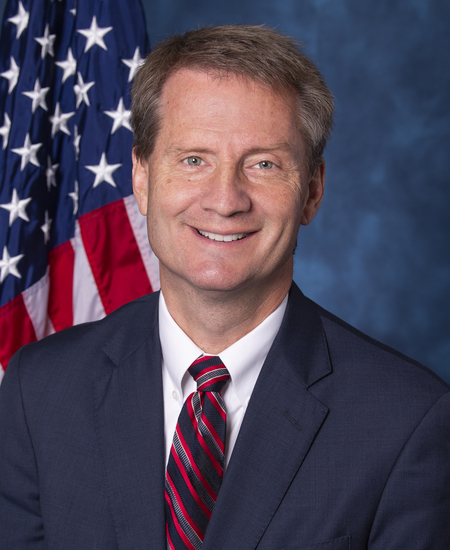
H.Res. 199 is a House of Representatives resolution that condemns so-called “woke” or ideologically driven foreign aid programs and calls for increased oversight, transparency, and redirection of certain funds toward domestic priorities. It was introduced by Rep. Tim Burchett (primary) with Rep. Brandon Gill as a cosponsor and has been referred to the House Committee on Foreign Affairs. The resolution expresses the intent to pursue additional legislation governing federal overseas programs and sets forth a framework for auditing, reviewing, and potentially restricting such programs.
Main Purpose and Intent
- Denounce funding for programs described as ideologically driven or “woke” foreign aid.
- Promote greater accountability and fiscal discipline in U.S. international aid.
- Rebalance federal spending by prioritizing domestic needs where feasible.
- Establish a structured process for oversight, transparency, and congressional engagement with grants abroad.
Key Provisions ( paraphrased)
1) Opposition to funding “these programs and programs like these,” characterizing them as wasteful and ideologically driven.
2) Call for enhanced oversight, including a comprehensive Government Accountability Office audit of all grants awarded by the Department of State and the United States Agency for International Development (USAID) since 2021.
3) Urges immediate suspension of similar discretionary grants while a review of alignment with core national interests and fiscal responsibility is conducted.
4) Requires transparency by mandating public disclosure of all grant applications, justifications, and outcomes on a searchable online database within 90 days after grant award.
5) Recommends redirecting funds from these programs to domestic priorities such as infrastructure repair, veteran health care, and disaster relief.
6) Encourages IGs to conduct annual reviews of grant efficacy, with findings reported to Congress and made publicly accessible.
7) Proposes a cap on annual spending for cultural exchange and advocacy grants abroad, limited to no more than 0.1% of the federal discretionary budget.
8) Demands that all future grants over $10,000 receive explicit congressional approval via a streamlined review process.
9) Expresses intent to draft legislation prohibiting federal funding for overseas programs promoting niche social agendas unless there is a clear national security or economic benefit to the United States.
Affected Parties and Impacts
- Federal Agencies: State Department and USAID would face increased oversight, reporting, and potential funding restrictions.
- Government Oversight Bodies: Government Accountability Office (GAO) and Inspectors General would play central roles in audits and annual reviews.
- Congress: Affects congressional oversight and approval processes, including potential new streamlined review procedures for grants over $10,000 and possible future legislation limiting overseas programs.
- Grant Recipients: Organizations receiving foreign aid grants could be subject to greater transparency, audit scrutiny, and potential suspension or redirection of funds.
- Taxpayers: Potential impact from increased transparency, accountability, and reallocation of funds toward domestic needs.
Procedural and Timeline Aspects
- Status: Referred to the House Committee on Foreign Affairs; introduced March 6, 2025.
- Audit/Review Timelines:
- GAO audit of grants since 2021 (no date specified for completion).
- Public disclosure requirement: within 90 days after each grant is awarded.
- Annual grant efficacy reviews by Inspectors General.
- Funding and Approval: Cap on certain overseas grant expenditures (0.1% of discretionary budget) and expedited (streamlined) congressional approval for grants over $10,000.
Sponsors
- Primary: Tim Burchett
- Cosponsor: Brandon Gill
Notes
- The bill uses the term “woke” to describe targeted programs, a political descriptor. The summary above presents the provisions and requirements as stated in the introduced text without editorializing.