Summary of H.R. 1025 (119th Congress) – Condemning all acts of violence, oppression, and abuse against ethnic minorities in the Democratic Republic of the Congo
Purpose
- A House of Representatives resolution condemning violence, oppression, and abuses against ethnic minority groups in the Democratic Republic of the Congo (DRC).
- Emphasizes accountability for atrocities, calls for protection of civilians, and urges U.S. and regional action to address ethnic-based violence and related humanitarian crises in eastern DRC.
Key Provisions and Changes (Substantive Provisions)
- Condemnation of violence and human rights violations: Specifically targets acts by the DRC Armed Forces (FARDC), M23, and other eastern armed groups, including killings, sexual violence, looting, forced displacement, and use of child soldiers.
- Protection and humanitarian access:
- Calls for increased security for millions of people displaced in the DRC.
- Urges full, safe, and unhindered access for humanitarian personnel and supplies, with emphasis on refugees and internally displaced persons.
- Accountability and governance:
- Reaffirms U.S. responsibility to uphold citizens’ rights and international obligations.
- Encourages investigations and prosecutions of atrocities; demands transparency in investigations.
- Urges the DRC and regional actors to cease support for non-state armed groups and to implement disarmament, demobilization, reintegration, repatriation, and resettlement (DDR/R) processes, in coordination with UN and regional peace efforts.
- Promotes adherence to international treaties and mechanisms (Genocide Convention, ICERD, ICC Rome Statute, etc.).
- Countering hate speech and incitement:
- Calls on social media platforms to curb hate speech and incitement to violence.
- Supports measures to combat ethnically charged rhetoric and hold perpetrators accountable.
- Regional and international cooperation:
- Encourages coordinated efforts with the East African Community, Southern African Development Community, and UN stabilization missions; supports peaceful negotiation processes with transparent management.
- Supports ongoing peace processes and regional talks to reduce violence and improve security.
- U.S. government actions and authorities:
- Urges the Secretary of State to coordinate a comprehensive strategy under the Elie Wiesel Genocide and Atrocities Prevention Act of 2018 to address and deter atrocities.
- Recommends high-level engagement with the DRC government to mitigate humanitarian impacts.
- Calls for engagement with international partners to maintain pressure in multilateral fora (e.g., UN Security Council).
- Special Envoy and refugee protections:
- Requests the President to appoint a Special Envoy to the Great Lakes region of Africa to address regional security.
- Authorizes using existing authorities to protect ethnic minorities fleeing violence and to designate such minorities for Priority 2 access to the U.S. Refugee Admissions Program.
- Targeted sanctions:
- Proposes targeted sanctions against known human rights abusers in the DRC under existing authorities (e.g., Executive Orders 13413, 13671, 13818).
Scope and Focus
- Geographic: Eastern Democratic Republic of the Congo (including North and South Kivu; areas impacted by M23 and other armed groups).
- Populations: Ethnic minority communities and civilians affected by violence, displacement, and human rights abuses.
- Actors: FARDC, M23, other eastern armed groups, non-state militias, regional actors, and state parties to international human rights treaties.
Procedural/Timelines
- Status: Introduced January 30, 2026; referred to the House Committee on Foreign Affairs.
- Status notes indicate it is a concurrent foreign affairs-focused resolution, aiming to steer U.S. policy and messaging rather than to enact binding legislation.
- No specific fiscal appropriations or implementation timelines are provided in the text; the resolution instructs and urges actions by the Executive Branch, U.S. agencies, and international partners.
Sponsorship
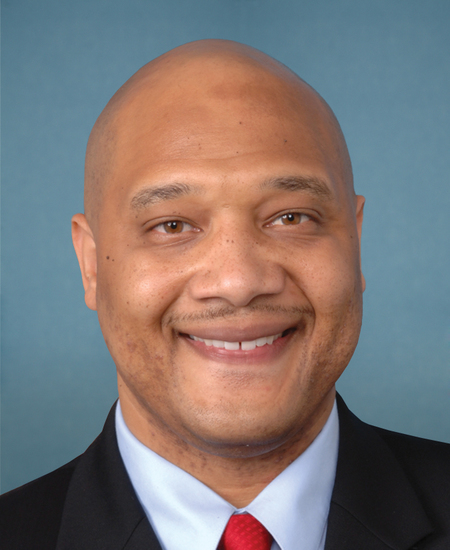
- Primary sponsor: Representative André Carson (with co-sponsors: Lloyd Doggett, Paul Tonko, Summer Lee).
Impact Considerations (Potential Effects)
- Sets a formal U.S. policy stance condemning violence in the DRC and urging international and regional action.
- Could influence U.S. diplomacy, humanitarian funding priorities, and sanctions policy regarding DRC human rights abusers.
- May shape public and international perception of accountability efforts and the United States’ role in the Great Lakes region.
- Encourages private sector and social media responsibility in addressing hate speech linked to ethnic tensions.