

WeVote

Bill

Bill

HB 2263

Concerning assisted living facilities delivering permanent supportive housing services.

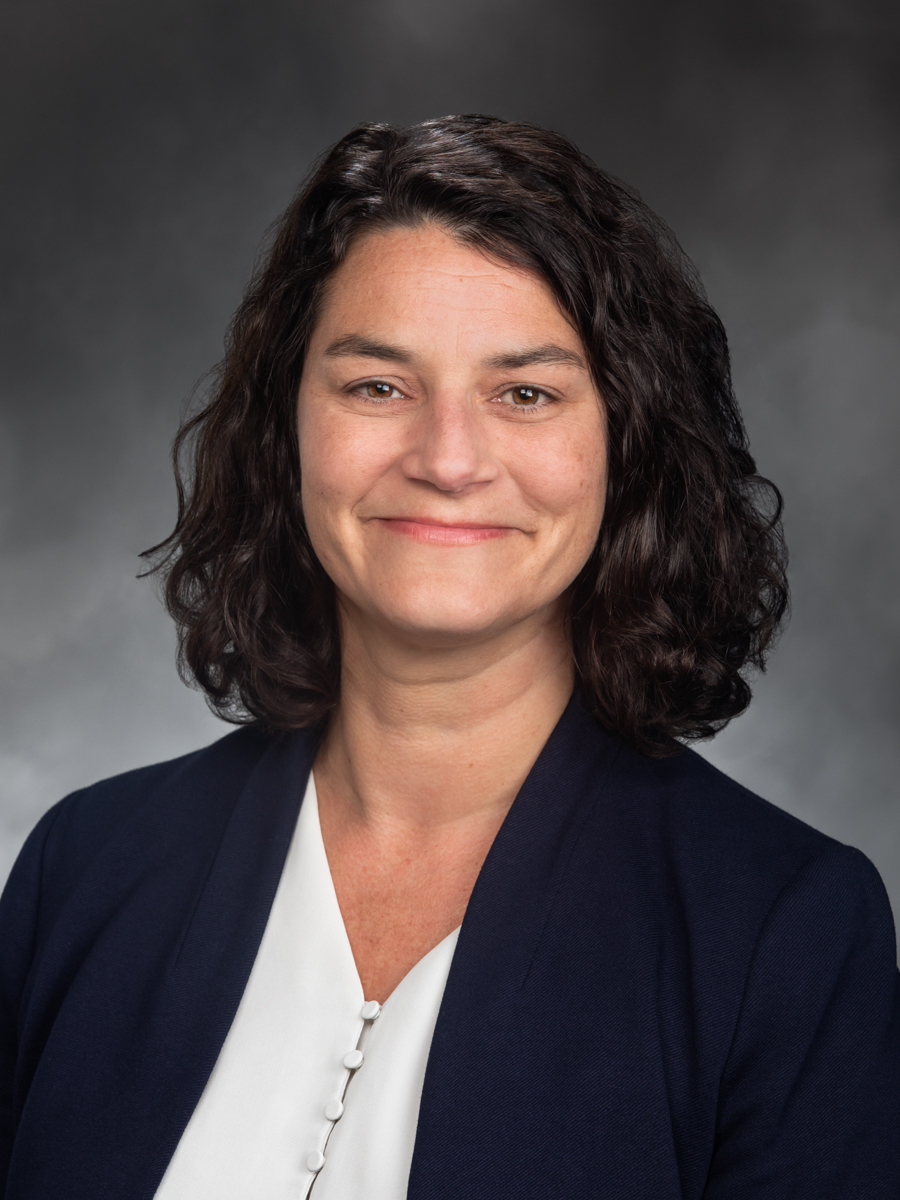
2023-2024 Regular Session Introduced by Emily Alvarado and 3 co-sponsors

HB 2263 permits Washington assisted living facilities to deliver permanent supportive housing services for homeless/unstably housed individuals alongside traditional care operations.

First reading, referred to Health Care & Wellness.
0
WeVote Research Nonpartisan
Bill Summary · HB 2263

Legislative bill overview

HB 2263 allows assisted living facilities (ALFs) in Washington State to provide permanent supportive housing (PSH) services alongside their traditional operations. The bill modifies regulations to enable ALFs to serve individuals experiencing homelessness or housing instability while maintaining their licensed care operations. This creates a new pathway for combining residential care with supportive housing services under one facility license.

Why is this important

Washington faces a significant affordable housing and homelessness crisis, particularly for individuals with complex needs requiring both housing and health services. By allowing ALFs to deliver PSH services, the bill could increase available beds for vulnerable populations while leveraging existing infrastructure and licensed caregiving staff. This approach potentially reduces costs and gaps in the continuum of care between emergency shelters and traditional housing.

Potential points of contention

  • Regulatory burden and safety standards: Critics may argue that mixing homeless populations with traditional ALF residents could create management challenges, or conversely, that added regulations could make operations cost-prohibitive for facilities
  • Funding and financial sustainability: Unclear how PSH services would be funded (state, federal, or private sources) and whether reimbursement rates would support dual operations, potentially shifting costs to existing ALF residents
  • Service capacity and accountability: Questions about whether ALFs have appropriate training and staffing to address complex trauma, mental health, and substance use issues common in PSH populations, plus oversight mechanisms for outcomes

Compiled from official sources — confirm details with the bill’s official record.

Sign in to ask a question.