

WeVote

Bill

Bill

SB 1336

CONCEAL CARRY-TRANSPORT-PARKS

104th Regular Session Introduced by Chris Balkema and 3 co-sponsors

Illinois SB 1336 narrows concealed-carry bans, allowing licensees to carry in public transit, DOT rest areas, and municipal parks/athletic facilities, effective immediately.

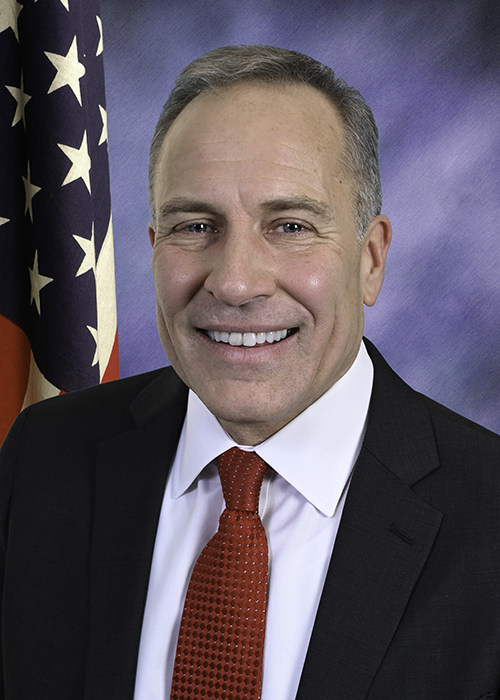
Chief Sponsor Changed to Sen. John F. Curran
0
WeVote Research Nonpartisan
Bill Summary · SB 1336

Summary — SB 1336 (Conceal Carry: Transport & Parks) — 2025

Note: The submitted document includes material from multiple jurisdictions and an unrelated Arizona statute excerpt. The core substantive text and legislative actions below concern Illinois SB 1336 (amending the Illinois Firearm Concealed Carry Act, 430 ILCS 66/65).

Purpose / Intent

To revise the list of locations where a person licensed to carry a concealed firearm is prohibited from knowingly carrying a firearm. The bill narrows certain location-based prohibitions—most notably as to rest areas, public transportation, and public parks—thereby expanding places where licensees may lawfully carry.

Key provisions and changes

  • Amends Section 65 of the Firearm Concealed Carry Act (430 ILCS 66/65).
  • Clarifies that the prohibition on carrying a firearm into “any building, parking area, or portion of a building under the control of an officer of the executive or legislative branch of government” does not apply to rest areas under the Department of Transportation nor to buildings located in such rest areas.
  • Eliminates (removes) a prior prohibition that disallowed licensees from knowingly carrying a firearm:
    • On any bus, train, or form of transportation paid for in whole or in part with public funds; and
    • In any building, real property, and parking area under control of a public transportation facility paid for in whole or in part with public funds.
  • Eliminates (removes) a prior prohibition that disallowed licensees from knowingly carrying a firearm in any public park, athletic area, or athletic facility under the control of a municipality or park district.
  • Retains many other existing prohibited locations (schools, childcare, detention facilities, hospitals, certain alcohol-serving establishments, libraries, airports, gaming facilities, nuclear sites, areas prohibited by federal law, etc.) as shown in the statutory text.
  • Effective immediately upon enactment.

Who is affected

  • Primary: persons licensed under Illinois’s Concealed Carry Act (licensees). These licensees gain legal authority to carry in certain previously prohibited public transportation settings, public parks/athletic areas under municipal/park-district control, and DOT rest areas.
  • Secondary: units of local government, park districts, public transit agencies, employees and users of those facilities, and law enforcement (who will enforce the new statutory scope).
  • Owners/operators of locations that remain prohibited retain the ability to regulate firearms where other statutory prohibitions apply or through specific venue rules as allowed by law.

Legislative timeline / status (Illinois)

  • Introduced: Jan 28, 2025 (Sen. Dale Fowler).
  • Passed both chambers with amendments; multiple committee referrals and amendments recorded.
  • Signed by Governor: June 10, 2025.
  • Became Public Act: 25-46 (effective immediately).

Practical impact / considerations

  • Expands areas where licensed concealed carriers may lawfully carry, potentially affecting security practices, signage, and enforcement on public transit, in DOT rest areas, and in municipal parks/athletic facilities.
  • Other statutory prohibitions and venue-specific rules (e.g., private property, institutions that may restrict firearms under other statutes) remain in force.
  • Implementation will require affected agencies and property managers to review policies and signage to align with the amended statute.

If you want, I can produce a redline showing language removed vs. language added, or a short Q&A on enforcement and interaction with federal law and private-property rules.

Compiled from official sources — confirm details with the bill’s official record.

Sign in to ask a question.