

WeVote

Bill

Bill

HJRCA 25

CONAMEND-RECALL OFFICIALS

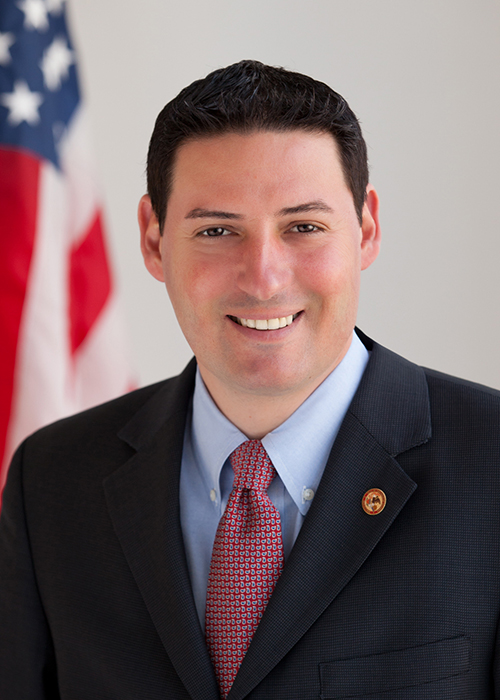
104th Regular Session Introduced by John Cabello

Proposes a constitutional framework to recall elected officials, detailing who can recall, petition thresholds, timing, and how recall elections are conducted.

Referred to Rules Committee
0
WeVote Research Nonpartisan
Bill Summary · HJRCA 25

Summary of HJRCA 25 (Illinois, 104th Session)

Title

CONAMEND-RECALL OFFICIALS

Purpose and intent

  • HJRCA 25 proposes a constitutional amendment related to the recall of public officials in Illinois.
  • The bill is designed to alter or add provisions governing the recall process for state and potentially local officials, with the aim of defining eligibility, procedures, or criteria for recalling officials from office.
  • As a joint resolution on a constitutional amendment (HJRCA stands for House Joint Resolution Constitutional Amendment), if approved by the General Assembly, it would be placed on the ballot for voter ratification.

Key provisions and changes (as typically encompassed by recall-focused constitutional amendments)

  • Eligibility and grounds for recall: The measure may set specific grounds upon which an official can be recalled (e.g., dereliction of duty, misconduct, or failure to perform official duties). The exact grounds would be defined in the text of the amendment.
  • Recall petition mechanics: Provisions commonly address who can sign recall petitions (e.g., residents of the official’s jurisdiction), the required number or percentage of signatures, and the validation process.
  • Timeframes: Deadlines for filing recall petitions, verification, and the scheduling of recall elections are often specified.
  • Election process: Authority to conduct recall elections, whether they are separate from ordinary elections, and how the results are certified.
  • Scope: Clarification on whether the recall applies to statewide officials only (e.g., governor, attorney general, secretary of state) or also to local or municipal officials, or to those at all levels of government.
  • Remedies and consequences: The amendment may outline what happens if recall is successful (temporary or permanent removal, replacement procedures) and any interim provisions pending replacement.
  • Constitutional alignment: The measure would modify the Illinois Constitution to formalize recall procedures, superseding or augmenting existing statutory recall processes.

Who would be affected

  • Elected officials at the level specified by the amendment (potentially state-level officials and possibly locally elected officials, depending on the final text).
  • Jurisdictions (counties, municipalities) subject to recall under the amended constitutional framework.
  • Illinois voters, who would gain a constitutional pathway to recall officials via petition and election if the measure is approved.
  • Election authorities and state/local government offices responsible for administering recall petitions and elections, who would operate under the amended constitutional provisions.

Procedural and timeline considerations

  • Ballot placement: As a constitutional amendment, it would require approval by both chambers of the Illinois General Assembly and passage by a majority of voters in a subsequent statewide referendum.
  • Amendment process: Typically, after passage by the General Assembly in two consecutive sessions or per the normal constitutional amendment process, the measure would appear on the next statewide ballot for voter ratification.
  • Implementation: If ratified, rules would take effect according to the amendment’s effective date, followed by necessary implementing measures and potential statutory changes to align state law with the new constitutional framework.

Practical implications and considerations

  • Clarity and feasibility: The success of recall depends on clear petition thresholds and practical administration. The amendment would need to balance accessibility for voters with protections against frivolous recalls.
  • Political impact: The amendment could influence accountability dynamics for elected officials and may affect campaign strategies and governance at the affected levels.
  • Legal considerations: As a constitutional change, the amendment would be subject to judicial review to ensure consistency with other constitutional provisions and protections.

Note: The summary reflects typical elements of a recall-focused constitutional amendment and the general structure of HJRCA proposals. For precise language, specific grounds, thresholds, and procedural details, the bill’s text as introduced and any sponsor amendments should be consulted.

Compiled from official sources — confirm details with the bill’s official record.

Sign in to ask a question.