

WeVote

Bill

Bill

SB 1850

commerce; 2026-2027.

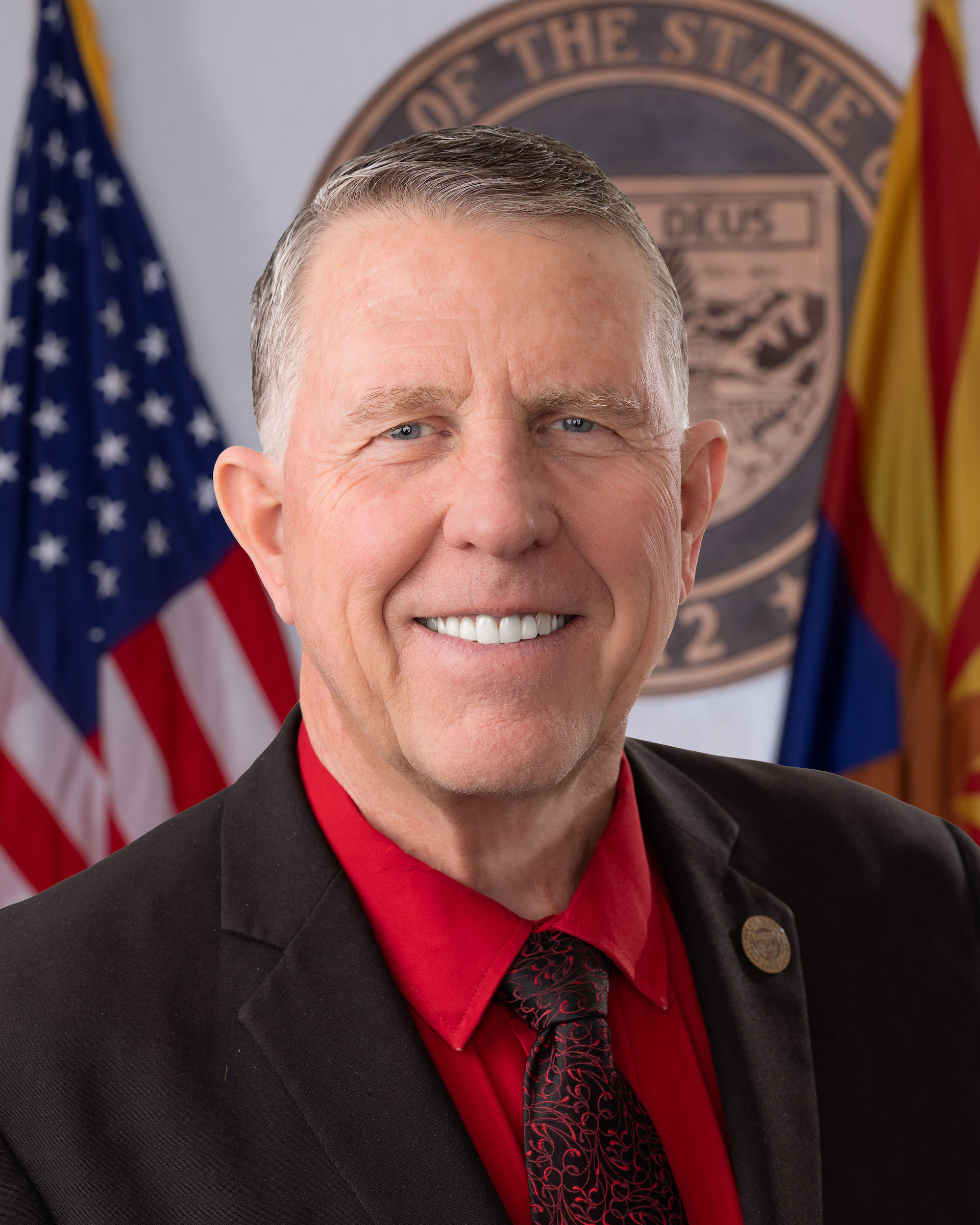
57th Legislature - Second Regular Session Introduced by Dave Farnsworth

SB 1850 proposals aim to change Arizona commerce-related regulations for businesses, though exact provisions are not yet available.

DP
0
WeVote Research Nonpartisan
Bill Summary · SB 1850

Summary of SB 1850 (Arizona, 57th-2nd Regular Session)

Purpose and intent

SB 1850 is a proposed Arizona bill introduced in the 57th Legislature’s 2nd Regular Session with the stated aim of addressing commerce-related matters within the state. The bill appears to focus on regulatory or policy changes that affect commercial activities, though the specific subject area is not fully detailed in the available action history. The bill lists a co-sponsor (Senator Dave Farnsworth), signaling support within the Senate.

Key provisions and changes (as available)

  • The exact statutory provisions, amendments, or new sections proposed by SB 1850 are not provided in the action history snippet. Therefore, the precise changes to statutes, agencies, or programs are not described here.
  • The bill’s title referencing “commerce” suggests that it could pertain to one or more of the following common commerce-related topics: business regulation, licensing, consumer protections, market practices, or other commercial policy mechanisms. However, without the full text, the specific mechanisms, thresholds, remedies, or exemptions cannot be enumerated.

Affected parties and impact

  • Potentially affected groups include Arizona-based businesses, commercial entities, and regulatory bodies responsible for commerce-related oversight. Depending on the actual provisions, impacts could involve licensing processes, compliance costs, or regulatory standards.
  • Consumers and the general public could be affected if the bill introduces new protections, disclosures, or market safeguards related to commercial activities.

Procedural and timeline details

  • Status: Senate First Reading as of June 9, 2026.
  • Next steps typically include committee referrals (e.g., to commerce, rules, or oversight committees), potential committee hearings, amendments, and subsequent readings on the Senate floor before moving to the House (if applicable) and ultimately to the governor for signature or veto.
  • The timeline from first reading to enactment (if passed) would depend on committee action, floor votes, and any potential amendments or negotiations between chambers.

Additional notes

  • The available information is limited to the bill’s identification, sponsor (including a co-sponsor), and its first reading date. Access to the full bill text, fiscal impact statement, and legislative staff analyses would provide a more precise understanding of the bill’s purpose, provisions, costs, and enforcement mechanisms.

If you’d like, I can summarize a subsequent version of the bill once the full text or committee amendments are available, and I can extract specifics such as the exact statutory changes, fiscal impact, and implementation timeline.

Compiled from official sources — confirm details with the bill’s official record.

Sign in to ask a question.