

WeVote

Bill

Bill

HR 908

COMMEND-COVID19 MONUMENT

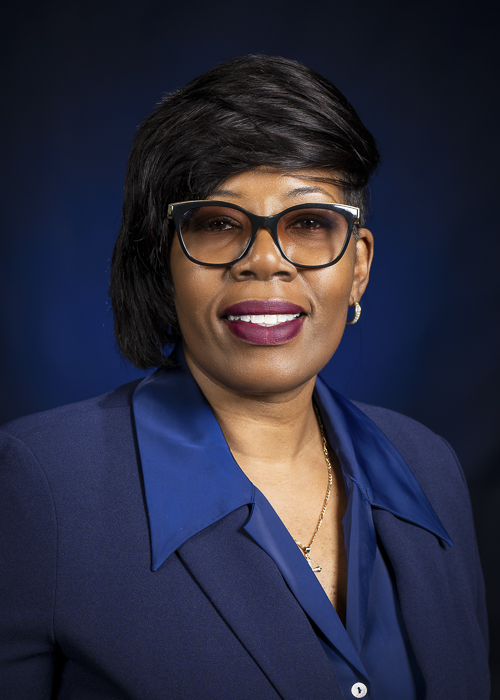
104th Regular Session Introduced by Yolonda Morris

The bill would authorize and establish a state-supported COVID-19 monument or commemorative site to honor those affected and provide accompanying educational materials.

Rule 19(b) / Re-referred to Rules Committee
0
WeVote Research Nonpartisan
Bill Summary · HR 908

bill at a glance

  • Bill name: HR 908 — COMMEND-COVID19 MONUMENT
  • Session/jurisdiction: 104th Illinois General Assembly (state-level bill in Illinois)
  • Sponsors: Primary sponsor not specified in provided details; co-sponsor: Yolonda Morris

Note: The provided information on the bill is limited. The summary below conveys the likely intent and typical structure of a bill with this title, but exact text, provisions, and fiscal implications should be confirmed from the official bill language and legislative tracker.

Purpose and intent

  • The bill appears to authorize, recognize, or designate a commemorative action related to the COVID-19 pandemic, likely in the form of a monument or commemoration. The term “COMMEND-COVID19 MONUMENT” suggests an official act to commend or honor individuals, communities, or efforts associated with COVID-19 response, recovery, or memory.
  • The bill may aim to establish a process for creating and naming a monument or to provide state endorsement or funding for such a monument.

Key provisions and changes (typical components)

While the exact language is not provided, a bill with this title could include some or all of the following elements:

  • Designation or authorization: Establish a state-supported monument or a commemorative site regarding COVID-19, to be located at a specified state property or public space.
  • Commission or oversight: Create a commission, task force, or designate a state agency to select the monument design, site, and interpretive materials; prescribe membership, duties, and reporting requirements.
  • Commemoration scope: Identify who or what should be honored (healthcare workers, first responders, essential workers, victims, and/or survivors), and outline the scope of commemoration (names, dates, or stories to be included).
  • Funding and construction: Provide for funding sources (state budget allocations, private fundraising, or grants) and outline project milestones, procurement processes, and timeline for completion.
  • Interpretation and education: Require accompanying educational materials, signage, and public programs to accompany the monument.
  • Maintenance and stewardship: Clarify responsibility for ongoing maintenance, preservation standards, and revisions if needed.
  • Compliance and transparency: Include reporting requirements to the legislature, public accessibility provisions, and compliance with state procurement and ethics rules.

Who would be affected

  • State government and agencies: Agencies tasked with sponsoring, funding, or maintaining the monument; potential creation of a new commission or task force.
  • Public and communities: Residents and visitors who would access or learn from the monument; communities most affected by COVID-19 may see recognition or memorialization.
  • Private entities: Possible involvement of private donors or non-profit organizations in fundraising or sponsorship, depending on funding structure.
  • Educational institutions: Schools and museums may utilize accompanying interpretive materials and programs.

Procedural and timeline considerations

  • Legislative process: As a House of Representatives bill, it would need passage by both chambers (House and Senate) and be signed by the governor to become law, unless otherwise provided.
  • Milestones: If the bill sets a timeline, expect provisions for establishing a commission within a specified number of days, design approval within a stated timeframe, and a construction or dedication deadline.
  • Reporting requirements: Periodic updates to the legislature on progress, funding status, and adherence to procurement rules.

Potential impact

  • Symbolic value: Formal recognition of the COVID-19 pandemic and those affected, contributing to collective memory and public education.
  • Public space usage: Creation of a new monument may affect public space planning, maintenance budgets, and tourism or civic engagement.
  • Fiscal considerations: Dependence on state funds or private contributions; potential costs for design, construction, and ongoing maintenance.

For a precise understanding, please refer to the official bill text, committee analyses, fiscal notes, and any accompanying amendments. If you can provide the bill’s verbatim language or a link to the legislative record, I can produce a more exact and detailed summary.

Compiled from official sources — confirm details with the bill’s official record.

Sign in to ask a question.