

WeVote

Bill

Bill

HR 5877

Combatting Money Laundering in Cyber Crime Act of 2025

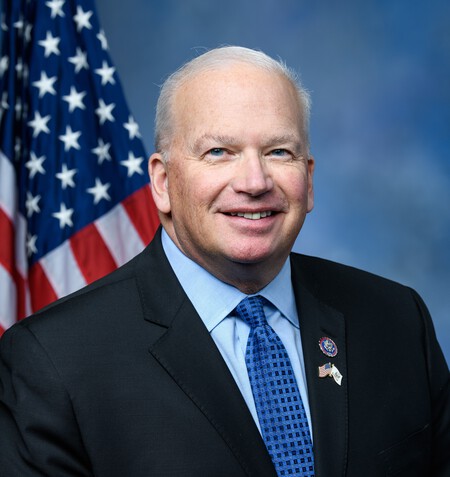
119th Congress Introduced by Scott Fitzgerald and 3 co-sponsors

HR 5877 strengthens tools against cybercrime-related money laundering, requiring stricter reporting, harsher penalties, and better collaboration between banks and tech firms.

Reported (Amended) by the Committee on Financial Services. H. Rept. 119-612, Part I.
0
WeVote Research Nonpartisan
Bill Summary · HR 5877

Summary of HR 5877: Combatting Money Laundering in Cyber Crime Act of 2025

Purpose and Intent

The Combatting Money Laundering in Cyber Crime Act of 2025 (HR 5877) aims to enhance the United States' ability to combat money laundering activities that are facilitated through cybercrime. The bill seeks to strengthen regulatory frameworks and law enforcement tools to address the growing threat of financial crimes in the digital landscape.

Key Provisions

While the full text of the bill is not provided, the following key provisions are anticipated based on the title and legislative intent:

  • Enhanced Reporting Requirements: Financial institutions may be required to implement stricter reporting protocols for suspicious transactions that could be linked to cybercrime.

  • Increased Penalties: The bill may propose increased penalties for individuals and organizations found guilty of facilitating money laundering through cyber means.

  • Collaboration with Tech Companies: The legislation could encourage partnerships between financial institutions and technology companies to develop better tracking and reporting systems for digital transactions.

  • Funding for Law Enforcement: The bill may allocate additional resources to law enforcement agencies to improve their capabilities in investigating and prosecuting cyber-related financial crimes.

  • Training and Education: Provisions may be included for training programs aimed at educating law enforcement and financial professionals about the nuances of cybercrime and money laundering.

Affected Parties

The following groups are likely to be impacted by the provisions of HR 5877:

  • Financial Institutions: Banks and other financial entities will need to adapt their compliance and reporting practices to meet new requirements.

  • Law Enforcement Agencies: Agencies will receive additional resources and training to better tackle cyber-related financial crimes.

  • Technology Companies: Firms involved in digital transactions may need to collaborate with financial institutions to enhance security measures.

  • Cybercriminals: Individuals and organizations engaged in money laundering through cyber means will face increased scrutiny and harsher penalties.

Procedural Aspects

  • Introduced Date: The bill was introduced in the House on October 31, 2025.

  • Committee Referrals: It has been referred to the Committee on Financial Services and the Committee on the Judiciary for further consideration. The Speaker will determine the period for which each committee will review the bill.

Conclusion

HR 5877 represents a proactive approach to addressing the intersection of cybercrime and money laundering. By enhancing regulatory frameworks and law enforcement capabilities, the bill aims to protect the financial system from the evolving threats posed by digital financial crimes. As the bill progresses through the legislative process, further details will emerge regarding its specific provisions and potential impacts.

Compiled from official sources — confirm details with the bill’s official record.

Sign in to ask a question.