
Bill
Bill Summary • S 1783

Summary: S. 1783 — Combating Global Poverty Through Energy Development Act

Overview

  • Bill Number: S. 1783
  • Title: Combating Global Poverty Through Energy Development Act
  • Status: Introduced in the Senate
  • Introduced: May 15, 2025
  • Short citation: This Act may be cited as the Combating Global Poverty Through Energy Development Act

Purpose and Intent

  • Based on the bill’s title, the measure is aimed at addressing global poverty through initiatives related to energy development. The provided materials do not include the full text, so the precise objectives, mechanisms, and programs (e.g., funding authorities, eligible activities, or geographic scope) are not detailed here.
  • The bill’s sponsorship suggests a focus on energy-related international development as a lever to reduce poverty, potentially involving U.S. international assistance or partnerships with other governments and organizations. Specific policy tools or criteria would be spelled out in the enacted text or committee-approved amendments, which are not included in the current summary.

Legislative Status and Process

  • Introduced in the Senate on May 15, 2025.
  • Read twice and referred to the Committee on Foreign Relations on May 15, 2025.
  • Next steps (typical legislative path): committee consideration and potential markup, followed by floor debate and votes in the Senate. If passed, the bill would move to the House of Representatives (or be subject to Senate–House negotiations) for further action.

Sponsors

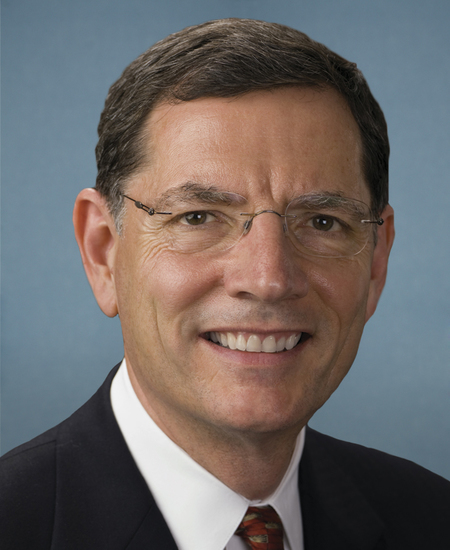
  • Primary Sponsor: John Barrasso
  • Cosponsors: Mike Lee, Cynthia M. Lummis, Ted Cruz, Pete Ricketts, Marsha Blackburn, Bill Hagerty
  • The listed sponsors indicate strong support from several Republican senators; no Democratic sponsors are listed in the provided material.

Potential Impact (General Considerations)

  • If enacted with energy-development-focused authorities, the bill could shape U.S. foreign assistance and development programs aimed at expanding access to energy in low- and middle-income countries.
  • Potential beneficiaries: populations lacking reliable electricity, as well as energy sectors in developing economies—including infrastructure projects, grid improvements, off-grid solutions, and related capacity-building.
  • Possible effects on U.S. international engagement: alignment of energy development with poverty reduction goals, oversight and reporting requirements, and coordination with agencies such as USAID and the State Department.
  • Without the text, it is not possible to specify funding levels, eligible activities, geographic focus, reporting requirements, or any climate or governance safeguards.

Key Takeaways

  • The bill seeks to link energy development with global poverty reduction, but substantive provisions are not present in the material provided.
  • The Senate introduced the measure on May 15, 2025, and it has been referred to the Foreign Relations Committee.
  • A full analysis awaits the bill’s text, committee reports, and any amendments.

Next Steps for Readers

  • Obtain the full bill text and any committee memo or summary to review specific authorizations, funding, eligibility criteria, reporting requirements, and safeguards.
  • Monitor Committee actions (Foreign Relations) for hearings, amendments, and votes.
  • Track any companion bills or related legislation in the House for a sense of eventual passage and alignment.

Hi! I'm your AI assistant for S 1783. I can help you understand its provisions, impacts, and answer any questions.

Key Provisions Impacts Timeline
Sign in to chat