

WeVote

Bill

Bill

S 69

COLLUDE Act

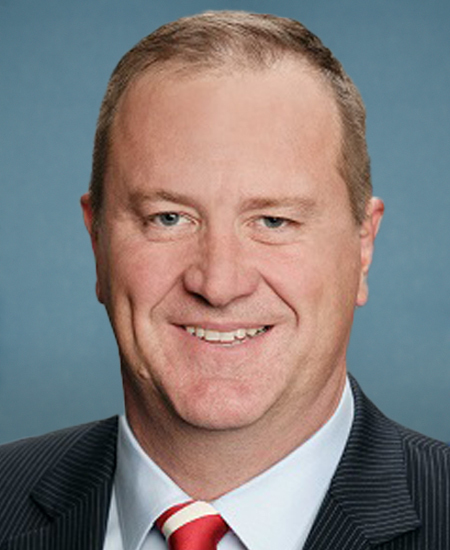
119th Congress Introduced by Eric Schmitt

S. 69 aims to curb online limitations it says erode democracy, reshaping rules for platforms and online speech that affect how the public accesses information.

Introduced in Senate
0
WeVote Research Nonpartisan
Bill Summary · S 69

Summary: S. 69 – COLLUDE Act (Curtailing Online Limitations that Lead Unconstitutionally to Democracy's Erosion Act)

Overview

  • Bill Number: S. 69
  • Title: COLLUDE Act (full formal citation: The Curtailing Online Limitations that Lead Unconstitutionally to Democracy's Erosion Act)
  • Status: Introduced in the Senate
  • Introduced: January 9, 2025
  • Primary Sponsor: Eric S. Schmitt

Purpose and Intent

  • The title of the bill suggests an aim to curtail online restrictions or limitations that are described by proponents as contributing to erosion of democracy. The provided content does not include the bill’s substantive text, definitions, or specific policy objectives beyond the title. As introduced, the intent appears to be to address “online limitations” in a manner framed around protecting or strengthening democratic processes.

Known Provisions (Substantive Text Not Provided)

  • No detailed provisions, definitions, or measures are included in the material provided.
  • There are no cited funding mechanisms, regulatory standards, enforcement tools, or timelines beyond the bill’s introduction and referral.

Note: Without the full text, it is not possible to enumerate defined changes, targeted platforms or activities, compliance requirements, penalties, or budgetary impacts. The summary below reflects what is known from the introductory information.

Legislative Actions to Date

  • 2025-01-09: Read twice and referred to the Committee on Commerce, Science, and Transportation.
  • 2025-01-09: Introduced in Senate

Sponsors

  • Primary: Eric S. Schmitt
  • (No other sponsors listed in the provided material)

Potential Impacts and Affected Parties (Tentative, Based on Title)

  • Online platforms and digital service providers, particularly those subject to federal or commerce-related regulation.
  • End users and the broader public, especially constituents who engage with online information and democratic processes.
  • Government agencies overseeing commerce, technology, communications, or information policy.
  • Stakeholders in civil society groups focused on democracy, online speech, and digital rights.

Procedural Timeline and Next Steps

  • After introduction and referral, the bill would typically undergo review by the Senate Committee on Commerce, Science, and Transportation. Possible steps include:
    • Committee hearings and markup
    • Floor debate and vote in the Senate
    • If advanced, passage by the Senate and potential conference with the House (if applicable)

Notes for Readers

  • The current materials do not provide the bill’s text or specific policy changes. For a complete understanding, consult the full bill text and subsequent actions on official sources (e.g., Congress.gov) to review defined terms, operative sections, enforcement provisions, and fiscal implications.

If you’d like, I can monitor updates and provide a rolling, reader-friendly breakdown as new text or actions are released.

Compiled from official sources — confirm details with the bill’s official record.

Sign in to ask a question.