

WeVote

Bill

Bill

S 5069

Coast Guard Leadership Modernization Act

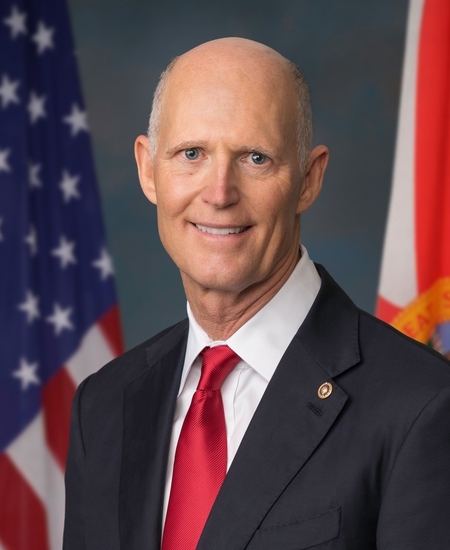
119th Congress Introduced by Rick Scott and 2 co-sponsors

Creates a civilian Secretary of the Coast Guard who reports to the DHS Secretary, restructuring leadership and civilianizing high-level oversight of the Coast Guard.

Introduced in Senate
0
WeVote Research Nonpartisan
Bill Summary · S 5069

Overview

  • Bill: S. 5069 (119th Congress, 2nd Session)
  • Title: Coast Guard Leadership Modernization Act
  • Purpose: Establish a Secretary of the Coast Guard to lead the Coast Guard as a civilian-led department-level entity, with corresponding statutory realignments across the Homeland Security Act of 2002, Title 10, and Title 14 authorities.
  • Introduced: July 22, 2026 (Senator Rick Scott, with co-sponsors Senator Dan Sullivan and Senator Tommy Tuberville)

Main Purpose and Intent

  • Create a civilian, Senate-confirmed Secretary of the Coast Guard who would report directly to the Secretary of Homeland Security, and restructure the leadership and reporting lines within the Coast Guard to reflect a more centralized civilian oversight model.
  • Align the Coast Guard leadership with other senior civilian leadership positions within the Department of Homeland Security and other armed services governance structures.

Key Provisions and Changes

1) Amendments to the Homeland Security Act of 2002
- Establishment of Secretary of the Coast Guard as a new, civilian appointment.
- Appointment: Civilian from outside military service, appointed by the President with Senate advice and consent; intended to be highly qualified with management/leadership experience.
- Eligibility restrictions:
- A person may not be appointed within 7 years after relief from active duty as a commissioned officer of a regular armed force.
- Current military officers serving in roles under subsection (a) would be barred from carrying out the Secretary’s duties.
- Duties and powers: The Secretary of the Coast Guard would perform duties and exercise powers as prescribed, subject to Chapter 6 of Title 10 U.S.C.
- Reporting: The Secretary of the Coast Guard would report directly to the Secretary (of Homeland Security) without intervening authority.
- Under Secretary: Creates an Under Secretary of the Coast Guard (civilian, Senate-confirmed) with duties and powers to be prescribed by the Secretary.

2) Amendments to Title 10, United States Code
- Redesignates references to the Secretary of Homeland Security as the Secretary of the Coast Guard in certain provisions (e.g., section 101(a)(9)(D)).
- Adds Secretary of the Coast Guard to specified authorities and sections (e.g., recognition in 822(a) and related provisions).

3) Amendments to Title 14, United States Code
- Revisions to align the chain of command and supervisory relationships:
- The Commandant would report to the Secretary of the Coast Guard (instead of direct supervision by a separate office) and maintain military duties as assigned.
- Adjustments to general supervision language to reference the Secretary of the Coast Guard.
- Clarifies the Commandant’s ability to provide military advice to the President and senior councils after informing the Secretary.

4) Miscellaneous
- Several conforming amendments across 6 U.S.C. (Homeland Security Act), 10 U.S.C., and 14 U.S.C. to reflect the new Secretary of the Coast Guard position and its authority.
- Reassignment of certain designation and reporting language to reflect direct accountability to the Secretary of the Coast Guard and, by extension, the Secretary of Homeland Security.

Who/What Would Be Affected

  • The Coast Guard’s leadership structure would shift from the current model (military commandant with Secretary-level oversight under DHS) to a civilian Secretary of the Coast Guard reporting directly to the DHS Secretary.
  • The Commandant would remain a military officer (per existing Title 14 provisions) but would report to the new Secretary of the Coast Guard.
  • Legal and administrative references across Homeland Security Act, Title 10, and Title 14 would be updated to reflect the new role and reporting lines.
  • Potential candidates for Secretary of the Coast Guard would come from civilian leadership backgrounds with management experience; existing military officers would face a cooling-off period before appointment.

Procedural and Timeline Aspects

  • Referral: Referred to the Senate Committee on Commerce, Science, and Transportation.
  • Action history indicates introduction and initial reading occurred on July 22, 2026.
  • No final passage timeline is provided in the text; as with homeland security and military-oversight reforms, passage would require committee consideration, potential markups, and Senate and House votes, followed by presidential signature.

Notes for Readers

  • The bill explicitly creates a structural reform aimed at elevating civilian leadership in the Coast Guard and reorganizing reporting lines within DHS and related federal statutes.
  • It includes guardrails on appointment eligibility to maintain a period of separation from active-duty military service and to prevent current service in roles that would carry out the Secretary’s duties.
  • The proposal would require substantial legal amendments across multiple chapters and titles, shaping the governance, supervision, and advisory functions of the Coast Guard at the highest leadership levels.

Compiled from official sources — confirm details with the bill’s official record.

Sign in to ask a question.