

WeVote

Bill

Bill

HR 566

Cleaner Air Spaces Act of 2025

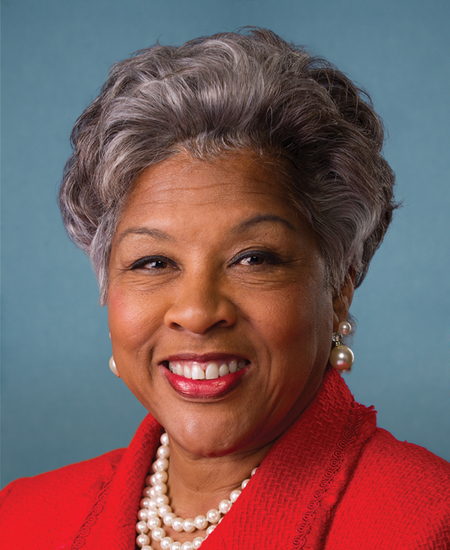
119th Congress Introduced by Joyce Beatty and 18 co-sponsors

The Cleaner Air Spaces Act of 2025 enforces stricter emission standards and promotes clean technologies, improving air quality and public health nationwide.

Introduced in House
0
WeVote Research Nonpartisan
Bill Summary · HR 566

Summary of HR 566: Cleaner Air Spaces Act of 2025

Purpose and Intent

The Cleaner Air Spaces Act of 2025 aims to enhance air quality across the United States by implementing stricter regulations on air pollutants and promoting cleaner technologies. The bill seeks to address the growing concerns over air pollution and its impact on public health and the environment.

Key Provisions

The bill includes several significant provisions designed to improve air quality:

  • Stricter Emission Standards: The legislation proposes to establish more stringent emission standards for industries known to contribute significantly to air pollution, including manufacturing and transportation sectors.

  • Incentives for Clean Technology: The bill encourages the adoption of cleaner technologies by providing tax credits and grants to businesses that invest in renewable energy sources and pollution-reducing technologies.

  • Monitoring and Reporting Requirements: It mandates enhanced monitoring of air quality in urban areas, requiring states to report air quality data to the Environmental Protection Agency (EPA) on a quarterly basis.

  • Public Awareness Campaigns: The bill allocates funding for public awareness campaigns aimed at educating citizens about air quality issues and encouraging community involvement in pollution reduction efforts.

Affected Parties

The Cleaner Air Spaces Act of 2025 will primarily affect:

  • Industries: Companies in manufacturing, transportation, and energy sectors will need to comply with new emission standards and may benefit from incentives for adopting cleaner technologies.

  • State and Local Governments: These entities will be responsible for monitoring air quality and reporting data to the EPA, which may require additional resources and adjustments to existing programs.

  • Public Health: Communities, particularly those in urban areas with high pollution levels, will benefit from improved air quality, potentially leading to better health outcomes.

Procedural Aspects

  • Introduced Date: The bill was introduced in the House on January 20, 2025.

  • Committee Referral: Following its introduction, HR 566 was referred to the House Committee on Energy and Commerce for further consideration.

Conclusion

The Cleaner Air Spaces Act of 2025 represents a proactive approach to tackling air pollution through regulatory measures and incentives for cleaner technologies. By focusing on stricter emission standards and public engagement, the bill aims to foster a healthier environment for all Americans. As it progresses through the legislative process, stakeholders will closely monitor its development and potential impacts.

Compiled from official sources — confirm details with the bill’s official record.

Sign in to ask a question.