

WeVote

Bill

Bill

HR 8361

Clean Slate through Rehabilitation Act

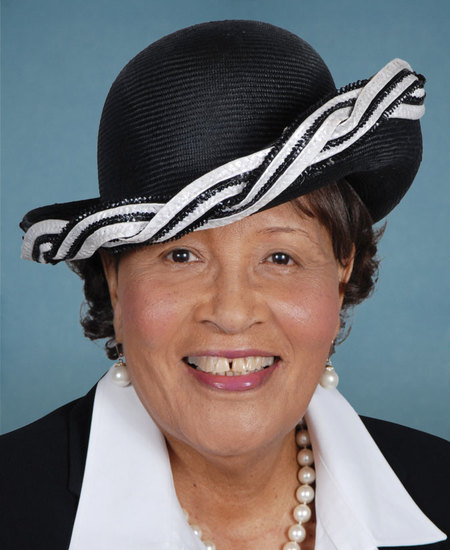
119th Congress Introduced by Alma Adams and 3 co-sponsors

The bill requires removing adverse information related to defaulted federal student loans from borrowers’ credit reports after rehabilitation.

Introduced in House
0
WeVote Research Nonpartisan
Bill Summary · HR 8361

Summary: Clean Slate through Rehabilitation Act (HR 8361, 119th Congress)

Purpose and intent

The Clean Slate through Rehabilitation Act seeks to improve borrowers’ credit profiles by removing adverse information related to federal student loans from credit histories after the borrower has rehabilitated the loan. The bill modifies the treatment of defaulted federal student loans under the Higher Education Act of 1965 to ensure that default-related blemishes do not remain on a borrower's credit report.

Key provisions and changes

  • Default information removal language (primary change): The act amends Section 428F(a)(1)(C) of the Higher Education Act of 1965. The current text regarding the treatment of loan defaults on credit reports is altered to require the removal of “any adverse information relating to such loan” from the borrower’s credit history. This effectively expands or clarifies the scope of information that must be removed when a loan is rehabilitated or otherwise addressed under this provision.

  • Scope of impact: The change targets adverse information tied to the borrower’s defaulted federal student loan debt. It focuses on credit reporting, aligning credit history with rehabilitation outcomes and reducing long-term credit penalties associated with historical defaults.

Affected parties and stakeholders

  • Borrowers with defaulted federal student loans: Primary beneficiaries, as the initiative aims to enable a cleaner credit history post-rehabilitation.
  • Credit reporting agencies (e.g., Experian, Equifax, TransUnion): Responsible for updating consumer credit reports to reflect the removal of adverse default information.
  • U.S. Department of Education and loan servicers: Organizations administering federal student loans and processes for rehabilitation would implement or facilitate the reporting changes.
  • Potentially employers and lenders: Indirect beneficiaries through improved credit profiles leading to better access to credit and financial opportunities.

Procedural and timeline aspects

  • Introduction and referral: The bill was introduced in the House and referred to the House Committee on Education and Workforce on April 16, 2026.
  • Session and jurisdiction: United States federal legislation in the 119th Congress; jurisdiction lies with the federal education policy framework and credit reporting standards.
  • Effective date and implementation: The provided text does not specify an effective date or transition timeline. Implementation details would typically be addressed in committee analysis or subsequent floor action, including any regulatory guidance for credit bureaus and federal loan program administrators.

Potential impact and considerations

  • Credit mobility: By removing adverse information tied to defaults, borrowers completing rehabilitation may experience improved credit scores or credit history normalization, potentially aiding in obtaining new credit, housing, or employment opportunities that rely on credit information.
  • Clean slate philosophy: The bill embodies a rehabilitative approach to federal student loan debt, emphasizing removal of negative marks after compliance or completion of rehabilitation processes.
  • Operational considerations: Credit bureaus and loan managers would need to align records to ensure consistent removal of adverse information, with attention to accuracy and timely updates.

This summary emphasizes the bill’s core aim: to facilitate a cleaner credit history for borrowers who have defaulted on federal student loans by removing adverse information related to those loans from credit reports.

Compiled from official sources — confirm details with the bill’s official record.

Sign in to ask a question.