

WeVote

Bill

WeVote Research Nonpartisan
Bill Summary · SF 4989

Summary of SF 4989 (2025-2026) – Minnesota

Overview

SF 4989 proposes that the City of Ramsey is entitled to a special transportation service provided by the Metropolitan Council, including related appropriations. The bill appears to establish a framework for the Metropolitan Council to deliver a designated transportation service to Ramsey and to allocate state funding to support that service.

  • Jurisdiction: Minnesota
  • Session: 2025-2026
  • Title: City of Ramsey special transportation service provided by the Metropolitan Council requirement provision and appropriation
  • Introduced / First Reading: April 7, 2026
  • Committee: Transportation (referred)
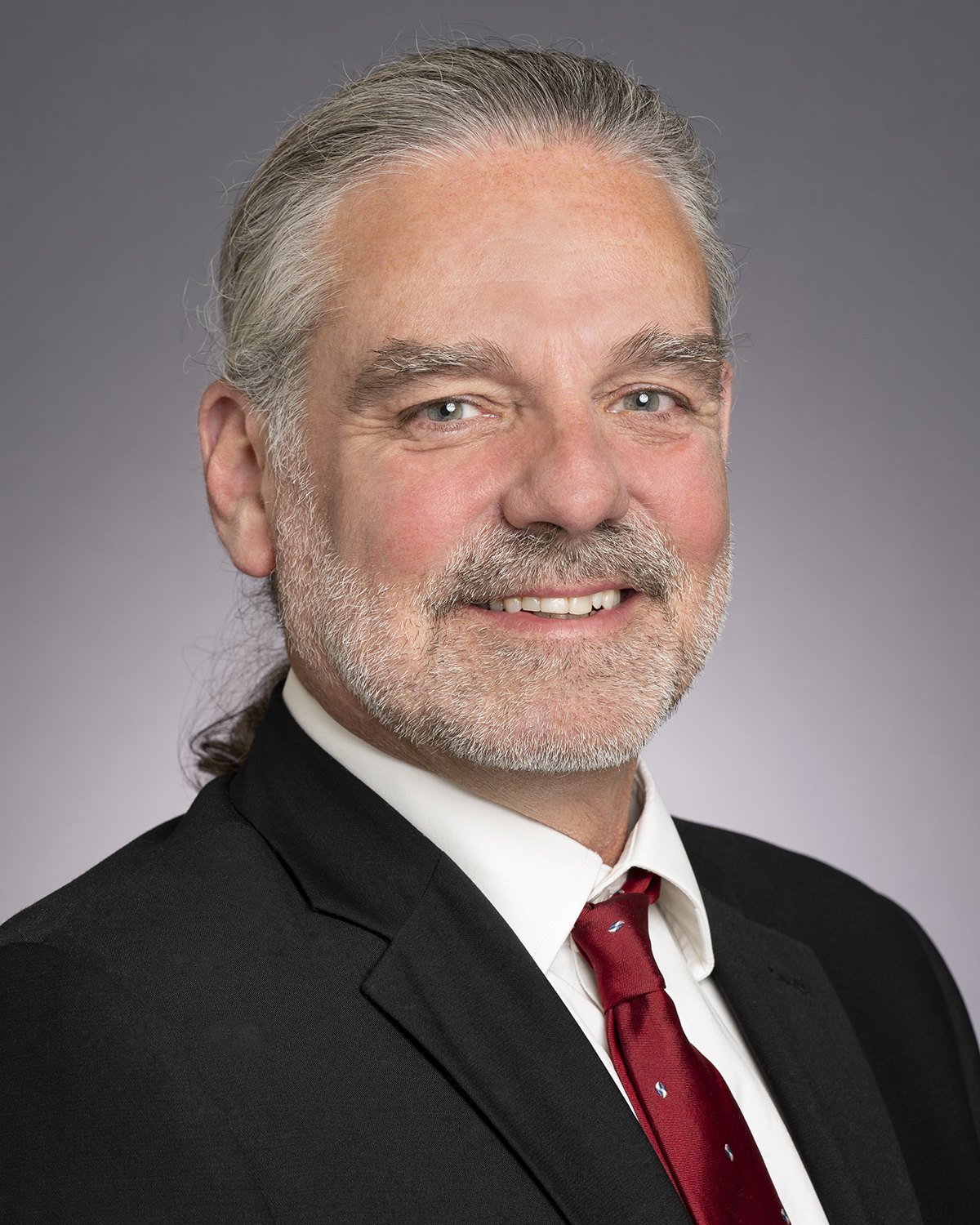
  • Sponsor: Co-sponsor Cal Bahr

Purpose and Intent

The bill aims to formalize and authorize a special transportation service for the City of Ramsey that would be provided by the Metropolitan Council. It also creates a pathway for appropriation to fund or support this service. In essence, it seeks to ensure Ramsey has access to a targeted transit option delivered through the regional transit governance body, with specific funding provisions attached.

Key Provisions (as indicated by title and action history)

Because the full text is not provided in your brief, the following provisions are inferred from the bill’s title and committee action:

  • Required Service Provision: The Metropolitan Council would be required to provide a certain “special transportation service” to Ramsey. This implies an obligation on the Council to operate or arrange a transit solution tailored to Ramsey’s needs.
  • Funding/Appropriation: The bill includes appropriation language to fund the service. This could involve annual state dollars or one-time funds designated for startup or ongoing operation.
  • Scope and Specifications (likely components):
    • Service area within or centered on Ramsey
    • Service type (e.g., demand-responsive transit, limited-stop service, or other special transportation options)
    • Eligibility criteria (who can use the service)
    • Operating hours and frequency
    • Service standards and reporting requirements to the Legislature or Metropolitan Council
  • Administration and Oversight: Provisions may establish administering responsibilities, performance metrics, and accountability measures.

Affected Entities

  • City of Ramsey: Primary beneficiary and recipient of the special transportation service.
  • Metropolitan Council: Responsible for delivering the service or contracting for it and ensuring compliance with the bill.
  • State of Minnesota: Provides funding through the appropriations provision and may impose reporting or oversight requirements.
  • Transit riders in Ramsey: Direct users of the new or enhanced service.

Procedural and Timeline Aspects

  • Introduction and First Reading: April 7, 2026.
  • Committee Action: Referred to the Transportation committee for consideration. This implies the bill will undergo hearings, potential amendments, and a committee vote before moving to the full House, Senate, or conference committee as appropriate.
  • Next Steps (typical for similar bills): If advanced, the bill would proceed through additional committee hearings, floor votes, potential amendments, and, if approved in both chambers, reconciliation and signature by the governor.

Potential Impacts and Implications

  • Service Availability: Ramsey residents may gain access to a new or enhanced transit option, potentially improving mobility and access to employment, education, and services.
  • Cost and Funding: Availability of state appropriation could stabilize funding for the service, but the bill’s specifics (amount, duration, and funding mechanism) will determine long-term fiscal impact.
  • Regional Coordination: Strengthens collaboration between the City of Ramsey and the Metropolitan Council, aligning local needs with regional transit planning.

If you have access to the full bill text, I can provide a more detailed, line-by-line breakdown of provisions, funding amounts, performance metrics, and implementation timelines.

Compiled from official sources — confirm details with the bill’s official record.

Sign in to ask a question.