

WeVote

Bill

Bill

SB 1705

Cities and towns; prohibiting political subdivisions from spending public funds to pay nonprofit organizations to pay defendants' bail. Effective date.

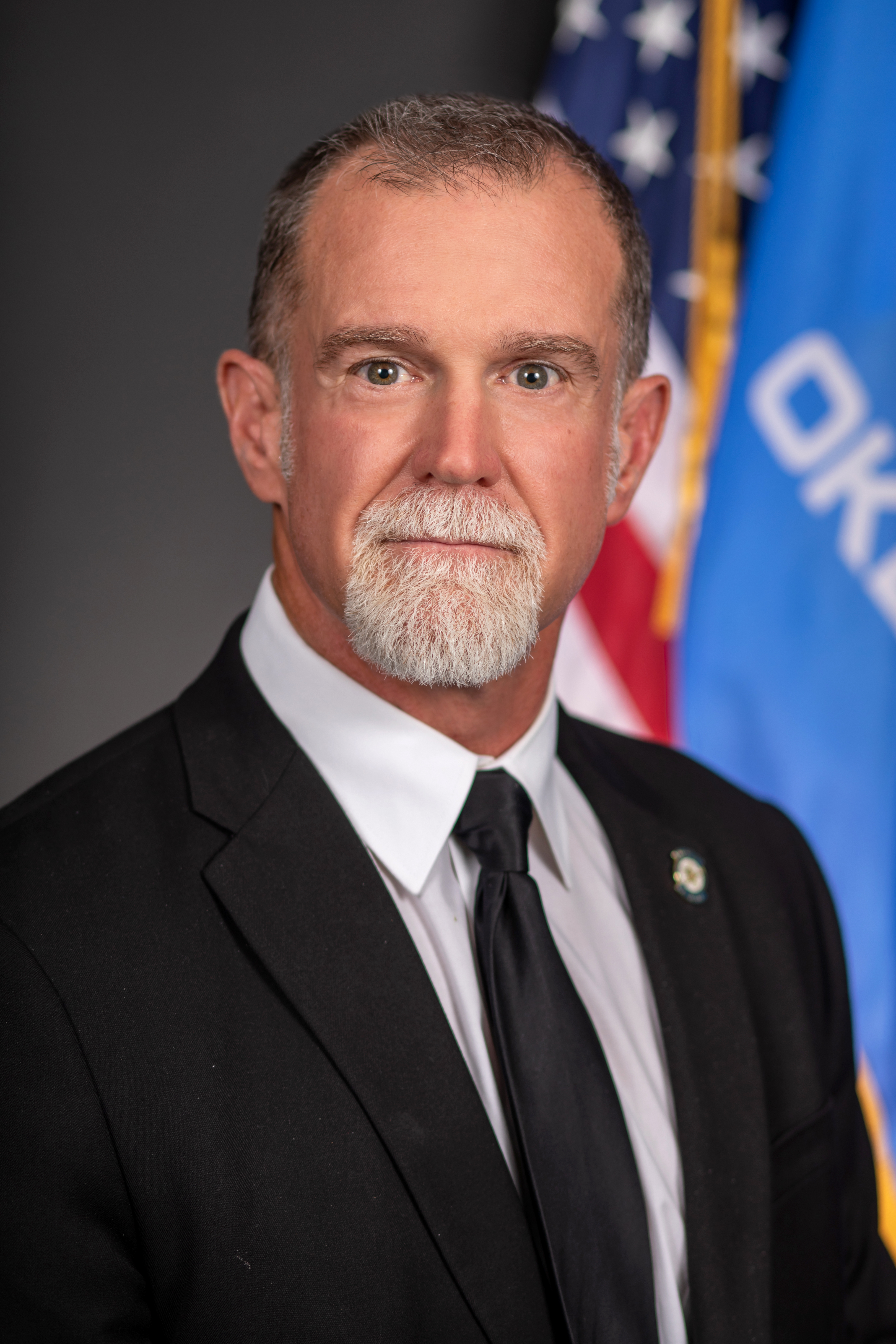
2026 Regular Session Introduced by Warren Hamilton and 1 co-sponsor

Oklahoma bill prohibits cities from spending public funds to support nonprofit organizations that pay bail for criminal defendants awaiting trial.

Coauthored by Representative Turner (principal House author)
0
WeVote Research Nonpartisan
Bill Summary · SB 1705

Legislative bill overview

SB 1705 prohibits Oklahoma cities and towns from using public funds to pay nonprofit organizations that post bail for criminal defendants. The bill effectively blocks a funding mechanism that some municipalities have used to support bail-assistance nonprofits, which typically help low-income defendants avoid pretrial detention.

Why is this important

This legislation addresses how local government resources are allocated in the criminal justice system. The bill reflects broader national debates about pretrial detention, bail reform, and whether public money should subsidize services that reduce incarceration for defendants awaiting trial. It directly affects both nonprofit organizations operating in Oklahoma and defendants who rely on bail-assistance programs.

Potential points of contention

  • Criminal justice reform vs. fiscal conservatism: Supporters may argue public funds shouldn't subsidize bail services, while opponents contend these programs reduce unnecessary pretrial detention and lower incarceration costs.
  • Nonprofit funding impact: The bill could eliminate a funding source for organizations serving low-income defendants, potentially reducing access to bail assistance for vulnerable populations.
  • Local government autonomy: The measure restricts local decision-making authority, preventing municipalities from independently determining how to allocate funds toward criminal justice initiatives.

Compiled from official sources — confirm details with the bill’s official record.

Sign in to ask a question.