

WeVote

Bill

Bill

SF 4582

Circumstances when a person may conceal their identity in public and creating specific exceptions for law enforcement officers modification

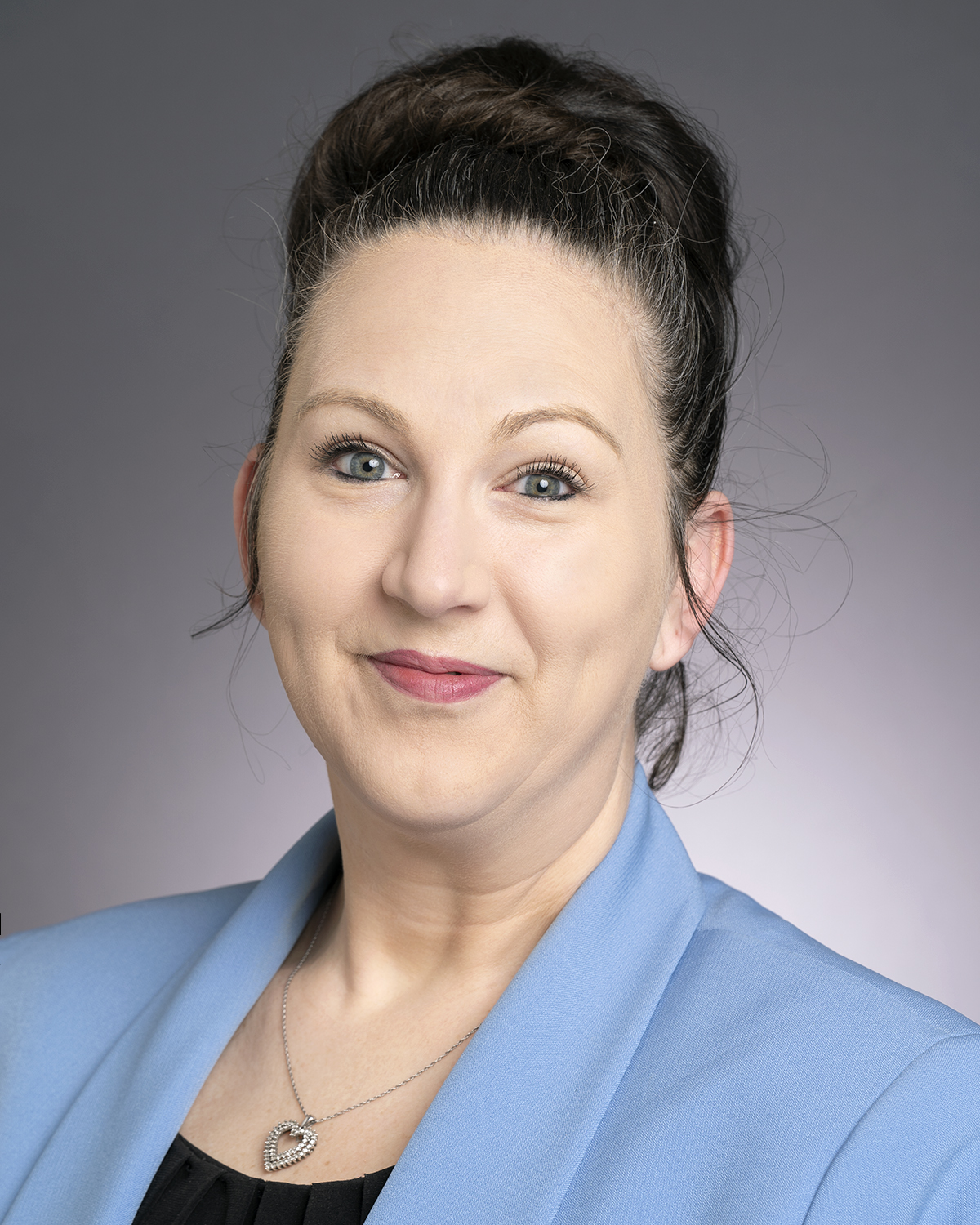
2025-2026 Regular Session Introduced by Liz Boldon

SF 4582 clarifies when individuals may conceal their identity in public and adds explicit exemptions for law enforcement officers during official duties.

Referred to Judiciary and Public Safety
0
WeVote Research Nonpartisan
Bill Summary · SF 4582

Bill Summary: SF 4582 (Minnesota) — Circumstances When a Person May Conceal Their Identity in Public and Creating Specific Exceptions for Law Enforcement Officers

Basic Information

  • Jurisdiction: Minnesota
  • Session: 2025-2026
  • Bill Number: SF 4582
  • Title (summary): Circumstances when a person may conceal their identity in public and creating specific exceptions for law enforcement officers (modification)
  • Sponsor: Co-sponsor Liz Boldon
  • Actions to date:
    • 2026-03-18: Introduction and first reading
    • 2026-03-18: Referred to Judiciary and Public Safety

Purpose and Intent

SF 4582 intends to clarify and modify the circumstances under which a person may conceal their identity in public. The bill also establishes modifications that create explicit or additional exceptions specifically for law enforcement officers. The overall aim appears to balance public safety and privacy concerns with targeted allowances for law enforcement personnel in the performance of their duties.

Key Provisions and Changes (Proposed)

  • Public concealment framework: The bill delineates when an individual is permitted to conceal their identity in public settings. The language likely specifies permissible methods of concealment (e.g., covered faces, masks, or other disguises) and may set conditions or limitations on when concealment is allowed.
  • Law enforcement exceptions: The bill creates explicit exceptions or modifications for law enforcement officers, potentially authorizing or clarifying when officers may conceal or not reveal their identity while performing official duties. This could include allowances during undercover operations, safety protocols, or other authorized activities.
  • Safety and accountability measures: While not detailed in the brief action history, such bills commonly include safeguards to prevent abuse, such as prohibitions on concealment in settings involving certain prohibited conduct, requirements for reporting, or alignment with existing state or federal privacy and safety laws.

Note: The exact statutory language is not provided in the action history. The summary above reflects typical components of a bill with a similar title and purpose.

Who Would Be Affected

  • General public: Individuals in Minnesota would be subject to new or clarified rules governing when they may conceal their identity in public.
  • Law enforcement officers: Officers would be directly affected by the exemptions or modifications, affecting how they conduct operations that involve concealment of identity and how they document and justify such actions.
  • Public safety and legal systems: Police agencies, prosecutors, and courts would implement and adjudicate the new standards, affecting enforcement practices and potential legal challenges or interpretations.

Procedural and Timeline Aspects

  • Introduction and first reading: March 18, 2026
  • Committee referrals: Judiciary and Public Safety (as of the action history)
  • Next steps (likely): Further committee hearings, potential amendments, floor debate, and votes in the Senate and House (Minnesota generally follows a bicameral process). If passed, the bill would proceed to the governor for signature or veto.

Practical Considerations for Stakeholders

  • Clarity of standards: Stakeholders will look for precise definitions of what constitutes concealment and the contexts in which it is allowed or prohibited.
  • Oversight and abuse prevention: Expect scrutiny around the safeguards preventing misuse of concealment permissions, especially in sensitive environments (schools, healthcare facilities, public gatherings).
  • Operational guidelines for agencies: Law enforcement agencies would need to adjust policies, training, and reporting procedures to align with any new exemptions.

If you want, I can pull the exact textual language of SF 4582 once it becomes available to provide a line-by-line analysis and pinpoint specific regulatory definitions, exemptions, and any penalties or enforcement mechanisms.

Compiled from official sources — confirm details with the bill’s official record.

Sign in to ask a question.