

WeVote

Bill

Bill

S 4815

CHIP IN for Veterans Act of 2026

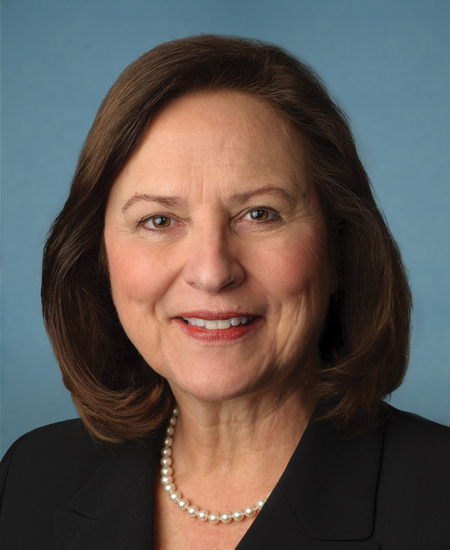
119th Congress Introduced by Deb Fischer and 1 co-sponsor

Permanently allows VA to accept donated facilities, construction services, and targeted contributions aligned with VA plans, with oversight and cost protections.

Introduced in Senate
0
WeVote Research Nonpartisan
Bill Summary · S 4815

Overview

S.4815, the CHIP IN for Veterans Act of 2026, would permanently extend and modify the Department of Veterans Affairs (VA) pilot program that accepts donations of facilities and related improvements, construction services, minor construction or nonrecurring maintenance projects, and targeted contributions. The bill aims to streamline and expand the VA’s ability to receive donated or contributed resources to support facility needs, while maintaining accountability and alignment with VA planning priorities.

Purpose and intent

  • Permanently extend the VA’s program to accept donated facilities and related improvements.
  • Authorize acceptance of donations that cover all or part of costs for construction services, minor construction, nonrecurring maintenance, and targeted contributions to VA facilities.
  • Ensure donations align with VA planning priorities and documented needs, and provide protections and oversight for such gifts.

Key provisions and changes

  • Section 2: Permanent extension of the donation program
    • Removes the “pilot” designation from the program established under the Communities Helping Invest through Property and Improvements Needed for Veterans Act of 2016.
    • Requires donations to align with identified VA needs, such as those on Strategic Capital Investment Planning priority lists, five-year development plans, facility master plans, or annual capital needs inventories.
  • Section 3: Authority to accept specific types of donations
    • The VA Secretary may accept donations covering (a) minor construction projects; (b) nonrecurring maintenance projects; or (c) construction services related to existing or new VA facilities.
    • Donations must meet alignment criteria (planning and priority needs), come from eligible donors connected to the CHIPI Act framework, and demonstrate that the donation would accelerate completion, reduce costs, improve conditions, or benefit veterans.
    • Donor agreements must include oversight, compliance with codes and laws, insurance, warranties, liability protections, transparent accounting of donation amounts and any VA funding contributions, and assurances that federal costs are not increased.
  • Streamlined requirements for non-real-property donations
    • For donations not involving transfer of real property, the agreement can be simplified, and responsibilities for environmental/historic preservation due diligence, and permits, are clarified.
  • Reporting
    • Donor activities under this section must be reported and tracked separately within the VA’s existing CHIPI reporting framework.

Who is affected

  • VA facilities and programs seeking facility improvements or maintenance funded through donations.
  • Donors (including construction service providers, nonprofit entities, and other eligible contributors) who participate under the expanded donation authorities.
  • VA project managers and oversight staff responsible for ensuring compliance with planning, environmental, and legal requirements.

Procedural and timeline notes

  • The bill explicitly makes the program permanent, removing the previous pilot status.
  • It ties donations to existing VA planning documents and inventories to ensure strategic alignment.
  • It provides structured reporting within the CHIPI framework for transparency and oversight.

Summary

The CHIP IN for Veterans Act of 2026 broadens and permanently codifies the VA’s ability to accept donated facilities, construction services, and targeted contributions, while embedding alignment with VA strategic plans and ensuring accountability, oversight, and protection for federal costs. It seeks to accelerate project completion and improve facilities for Veterans through private and organizational support, within a well-defined governance framework.

Compiled from official sources — confirm details with the bill’s official record.

Sign in to ask a question.