

WeVote

Bill

Bill

SB 999

Children: services; acknowledgement of child protective services cases to certain media sources; provide for. Amends sec. 7 of 1975 PA 238 (MCL 722.627).

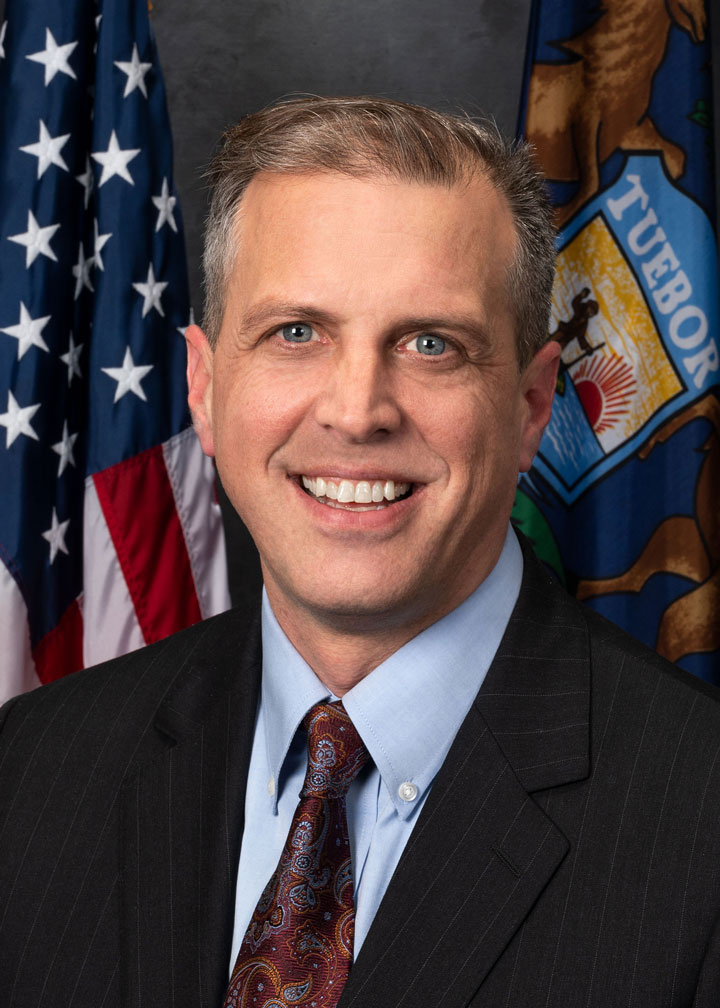
2023-2024 Regular Session Introduced by Jeff Irwin

SB 999 lets DHHS confirm/deny and, in limited cases, release specified information about child abuse/neglect cases to media to correct misinformation while protecting privacy.

placed on second reading
0
WeVote Research Nonpartisan
Bill Summary · SB 999

Summary — SB 999 (amendment to MCL 722.627)

Title: Children: services; acknowledgement of child protective services cases to certain media sources; provide for. (Amends Sec. 7 of 1975 PA 238 — MCL 722.627)

Main purpose / intent

SB 999 modifies Michigan’s Child Protection Law to permit the Department of Health and Human Services (DHHS) to confirm or deny — and in limited circumstances to release — information about child abuse or neglect reports to the news media upon request, provided personally identifying information is protected. The change is intended to give DHHS a limited ability to respond to media inquiries, correct inaccuracies, and increase public awareness while maintaining confidentiality protections for children and families.

Key provisions

  • Authorizes the DHHS Director to confirm or deny the existence or filing of a written report regarding a specific child abuse/neglect case to qualified media upon request.
  • Permits DHHS to release “specified information” to media only if:
    • The release contributes to the purposes of the Child Protection Law, and
    • The requesting media organization has appropriate controls to maintain confidentiality of personally identifying information (PII) for individuals named in reports.
  • Defines “media” to include newspapers, magazines, wire services, radio/TV/cable/satellite stations or networks and similar entities in the regular business of news gathering; explicitly excludes individual bloggers and social media influencers.
  • Retains existing confidentiality framework: written reports, documents, and photographs filed under the law are generally confidential and available only to enumerated parties (law enforcement, treating physicians, courts, specified legislative committees, child-placing agencies, etc.).
  • Preserves current statutory limits on release: for example, the Director already may or must release certain information in cases involving death, confirmed reports of sexual abuse/serious injury/life‑threatening harm, or where clear-and-convincing evidence supports release in the child’s best interests.
  • Prohibits denial of a request on the basis of shielding DHHS performance (i.e., Director cannot withhold information merely to cover up poor or inappropriate DHHS actions).
  • Bars release when an investigation is in progress and the report has not been confirmed.
  • Procedural elements described in committee reports: the Director must notify of approval or denial within 14 days; specified notice and pre-release appeal processes to circuit court are provided for affected individuals (per committee analysis).

Who is affected

  • DHHS: gains discretionary authority and new obligations when processing media requests.
  • Qualified media organizations: may receive confirmations/limited information when they can safeguard PII.
  • Children, families, alleged perpetrators, and reporters: privacy protections remain but the bill creates a new channel for public-facing acknowledgement or limited disclosure of cases.
  • Courts, law enforcement, child welfare agencies: existing access rules and statutory roles remain in place.

Procedural / timeline notes

  • Statutory change amends MCL 722.627 (Section 7 of the Child Protection Law). Committee analyses refer to notice and appeal timelines (14-day decision window and right to seek circuit court review prior to disclosure).
  • Fiscal impact: nonpartisan committee analysis determined no fiscal impact to state or local government.
  • Legislative status (high-level): introduced and reported through Senate committees; reported passed second reading as amended (SD1) and placed on calendar for further legislative action. (See official legislative history for up‑to‑date procedural status and amendments.)

Practical effect / considerations

  • Enables DHHS to engage with reputable media to correct misinformation and increase transparency about system actions, while keeping PII confidential.
  • Raises operational questions about criteria for “appropriate controls” by media, procedures for vetting requests, and how DHHS balances transparency with the privacy and safety of children under investigation.
  • Retains important limitations to protect ongoing investigations and child privacy; judicial review mechanisms are available for parties notified of a proposed release.

For readers seeking the exact statutory language or current status, refer to MCL 722.627 and the official legislative history / substituted (S‑1) text as reported by the Senate.

Compiled from official sources — confirm details with the bill’s official record.

Sign in to ask a question.