

WeVote

Bill

Bill

S 836

Children and Teens’ Online Privacy Protection Act

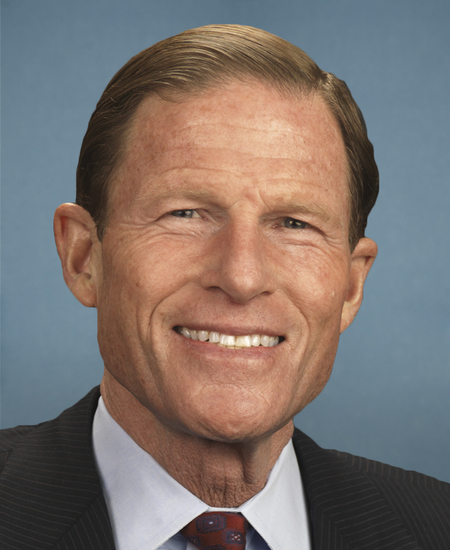
119th Congress Introduced by Richard Blumenthal and 20 co-sponsors

The bill tightens online privacy for minors by requiring parental consent for data collection, restricting targeted ads, mandating transparency, audits, and higher penalties.

Passed/agreed to in Senate: Passed Senate with amendments by Unanimous Consent.
0
WeVote Research Nonpartisan
Bill Summary · S 836

Legislative bill overview

The Children and Teens’ Online Privacy Protection Act (S 836) aims to enhance privacy protections for children and teenagers online by imposing stricter requirements on websites and online services regarding the collection, use, and sharing of personal data from minors. It includes provisions to obtain verifiable parental consent for data collection under certain age thresholds, restrict behavioral advertising targeted at minors, and enforce transparency in data practices. The bill also proposes stronger penalties for violations and mandates regular privacy audits for covered entities.

Why is this important

With increasing online engagement by children and teens, current privacy regulations have struggled to keep pace with evolving digital technologies and data collection methods. This bill addresses significant gaps by specifically targeting teens as well as younger children, acknowledging their unique vulnerabilities. Strengthening protections can curb exploitation, reduce risks of identity theft, and promote safer online experiences for minors during critical developmental stages.

Potential points of contention

  • Compliance Costs: Businesses, especially smaller platforms, may face substantial expenses in implementing verifiable parental consent systems and conducting privacy audits.
  • Age Verification Challenges: Accurately verifying user ages without compromising privacy or creating barriers to access may prove difficult.
  • Impact on Free Services: Restrictions on personalized advertising could reduce revenue for ad-supported platforms, potentially affecting the availability or quality of free content.
  • Enforcement and Scope: Opinions may differ on how aggressively to enforce penalties and which types of online services should be covered under the law, possibly creating uneven regulatory burdens.
  • Innovation Constraints: Critics may argue the bill could stifle technological advancements or creative uses of data involving minors by imposing rigid rules.

Compiled from official sources — confirm details with the bill’s official record.

Sign in to ask a question.