

WeVote

Bill

Bill

AB 2333

Child welfare nongovernmental organizations.

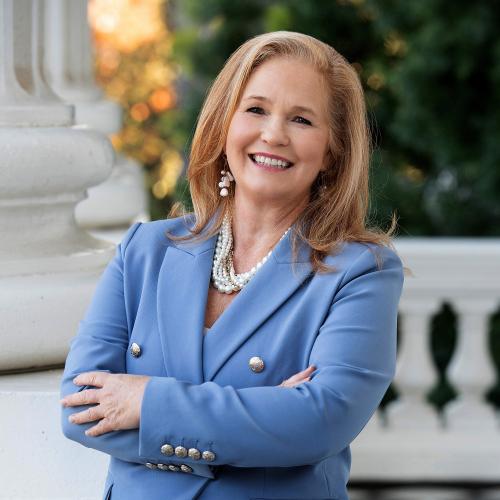
2025-2026 Regular Session Introduced by Gail Pellerin

AB 2333 strengthens state oversight of child welfare NGOs by mandating funding transparency, program alignment with state goals, and coordinated reporting to improve accountability

Referred to Coms. on HUMAN S. and JUD.
0
WeVote Research Nonpartisan
Bill Summary · AB 2333

Bill summary: AB 2333 (California, 2025-2026) – Child welfare nongovernmental organizations

Purpose and intent

AB 2333 is designed to address the role, oversight, and activities of nongovernmental organizations (NGOs) involved in child welfare within California. The bill aims to clarify governance, funding, reporting, and coordination related to NGOs that work with or on behalf of child welfare services, with a focus on accountability, transparency, and alignment with state child welfare policy and operations.

Key provisions and changes (highlights)

  • Oversight and governance: Establishes or reinforces mechanisms for state-level oversight of child welfare NGOs, including reporting requirements to legislative or departmental authorities. This may involve standards for governance, fiduciary responsibility, and compliance with state child welfare laws and regulations.
  • Funding and finance reporting: Requires NGOs engaged in child welfare activities to disclose funding sources, financial statements, and allocation of funds to specific programs or services. Aims to improve transparency in how state funds or grants are used by NGOs.
  • Program alignment and accountability: Mandates alignment of NGO programs with California’s child welfare objectives, outcomes, and applicable statutory requirements. May include performance reporting, outcome metrics, or independent program evaluations.
  • Coordination with state agencies: Encourages or mandates coordination between NGOs and state departments (e.g., Department of Social Services or other relevant agencies) to ensure services complement public child welfare provision, avoid duplication, and improve service delivery.
  • Protection of children and families: Reinforces compliance with child protection laws, privacy protections, and safeguarding measures when NGOs handle sensitive information or provide direct services to children and families.
  • Certification, licensing, or eligibility: May introduce or clarify certifying or eligibility criteria for NGOs to participate in state-backed child welfare initiatives, including background checks, governance standards, and compliance with ethical guidelines.
  • Reporting timeline: Establishes specific deadlines for annual or periodic reports, audits, or reviews by NGOs, with potential consequences for noncompliance or failure to meet reporting requirements.

Note: The above summarizes typical elements of legislation titled “Child welfare nongovernmental organizations.” The exact text of AB 2333 would detail the precise provisions, degrees of oversight, and mandates. The bill’s history shows it moved through committee stages and passed the Senate with unanimous concurrence, indicating broad support or consensus on its general direction.

Who or what would be affected

  • Nongovernmental organizations actively involved in child welfare activities in California, including those receiving state grants or engaged in services for children and families.
  • State and local child welfare agencies that collaborate with NGOs, including oversight, funding coordination, and data-sharing channels.
  • Children, families, and caregivers who receive services from NGOs or are served through NGO-supported programs, benefiting from increased accountability, transparency, and alignment with state objectives.
  • Public funders and taxpayers through enhanced visibility into how funds are used and outcomes achieved.

Procedural and timeline aspects

  • Status and progress: The bill advanced through committees, with amendments at the committee level, and was amended and routed to consent calendar before passing the Senate. It was then referred to committees on Human Services and Judiciary in the Assembly, indicating ongoing consideration of its provisions.
  • Date references: The timeline shows activity from February 2026 (introduction and first readings) through May 2026 (Senate passage and referrals), consistent with a bill in the 2025-2026 session.
  • Next steps: If enacted, AB 2333 would proceed to the Governor for signature or veto, subject to any further legislative amendments or reconciliations in the final version.

Impact considerations

  • Potential increased transparency around NGO funding and program outcomes.
  • Greater consistency between NGO activities and California’s child welfare policy goals.
  • Enhanced accountability measures for NGOs receiving public funds or participating in state-supported programs.
  • Possible administrative burden from new reporting, auditing, or certification requirements for NGOs.

If you’d like, I can tailor this summary to focus on specific provisions once the final bill text is available, or compare it to existing statutes affecting child welfare NGOs.

Compiled from official sources — confirm details with the bill’s official record.

Sign in to ask a question.