

WeVote

Bill

Bill

SF 4581

Child care assistance program absent days limit exemption establishment

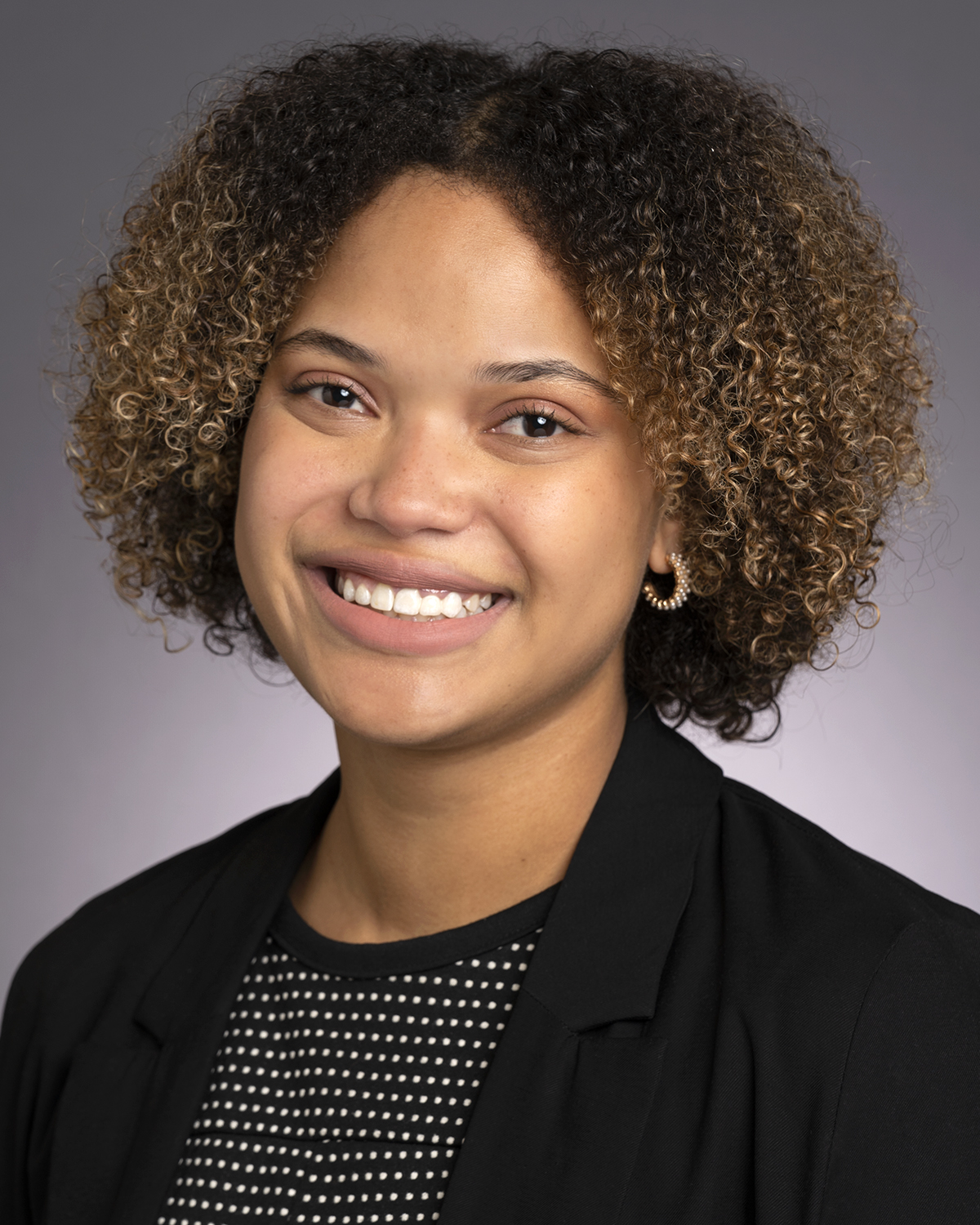
2025-2026 Regular Session Introduced by Clare Oumou Verbeten

Establishes an absent days exemption in Minnesota's child care assistance program so certain absences won't count against eligibility or benefits.

Referred to Health and Human Services
0
WeVote Research Nonpartisan
Bill Summary · SF 4581

Summary of SF 4581 (2025-2026) – Minnesota

Title

Child care assistance program absent days limit exemption establishment

Purpose and intent

This bill aims to modify the Minnesota child care assistance program (likely the Child Care Assistance Program, CCAP) by establishing an exemption related to absent days. The core goal appears to be creating a formal exemption from any existing cap or limit on the number of absent days (i.e., days a child is absent from care) that would otherwise affect eligibility, benefit calculation, or continued participation in the program. The exact mechanics of the exemption (e.g., which absent days are exempt, how exemptions are applied, and under what conditions) would be determined by the bill’s provisions.

Key provisions (as implied by the title)

  • Absent days limit exemption: Establishment of an exemption to the absent days limit within the state’s child care assistance program. This could mean that certain absences will not count against a participant’s eligibility period, ongoing benefit, or cost-sharing requirements.
  • Scope of exemption: While not specified in the summary, typical approaches may include exemptions for:
    • Illness-related absences
    • Planned or approved absences (e.g., holidays, family emergencies)
    • Absences due to agency-approved reasons
  • Administration and enforcement: The bill would set oversight or administrative processes to implement the exemption, potentially including required documentation, notice to participants, and programmatic guidance for caseworkers.

Who would be affected

  • Child care assistance program participants: Families currently receiving or eligible for CCAP who would benefit from not having certain absences counted against them.
  • Child care providers: Providers may see changes in attendance tracking, reporting requirements, or reimbursement timing if absent days are treated differently.
  • State agencies: Departments administering CCAP (likely Health and Human Services) would implement rules, guidelines, and any necessary system updates.

Procedural and timeline aspects

  • Introduction and first reading: March 18, 2026
  • Referral: Health and Human Services committee
  • Sponsor: Co-sponsor Clare Oumou Verbeten

No specific fiscal notes, effective dates, or sunset provisions are provided in the available information. If enacted, the bill would typically include effective dates for the exemption (e.g., effective upon passage or a future date) and may outline any required rulemaking or administrative deadlines.

Potential impact and considerations

  • Access and stability: By exempting certain absences from the limit, families may experience greater continuity in care and reduced risk of losing eligibility due to excused or unavoidable absences.
  • Budget implications: The exemption could affect program costs or reimbursement calculations; fiscal notes would clarify any anticipated impact on state expenditures.
  • Implementation requirements: Clear guidelines would be needed to define eligible absences, documentation standards, and monitoring to prevent misuse.

If you have access to the bill’s full text, I can provide a more detailed, line-by-line explanation of how the exemption operates, including any definitions, eligibility criteria, and administrative procedures.

Compiled from official sources — confirm details with the bill’s official record.

Sign in to ask a question.