SF 4815 (2025-2026) — Certain surplus land conveyance authorization provision
Jurisdiction: Minnesota
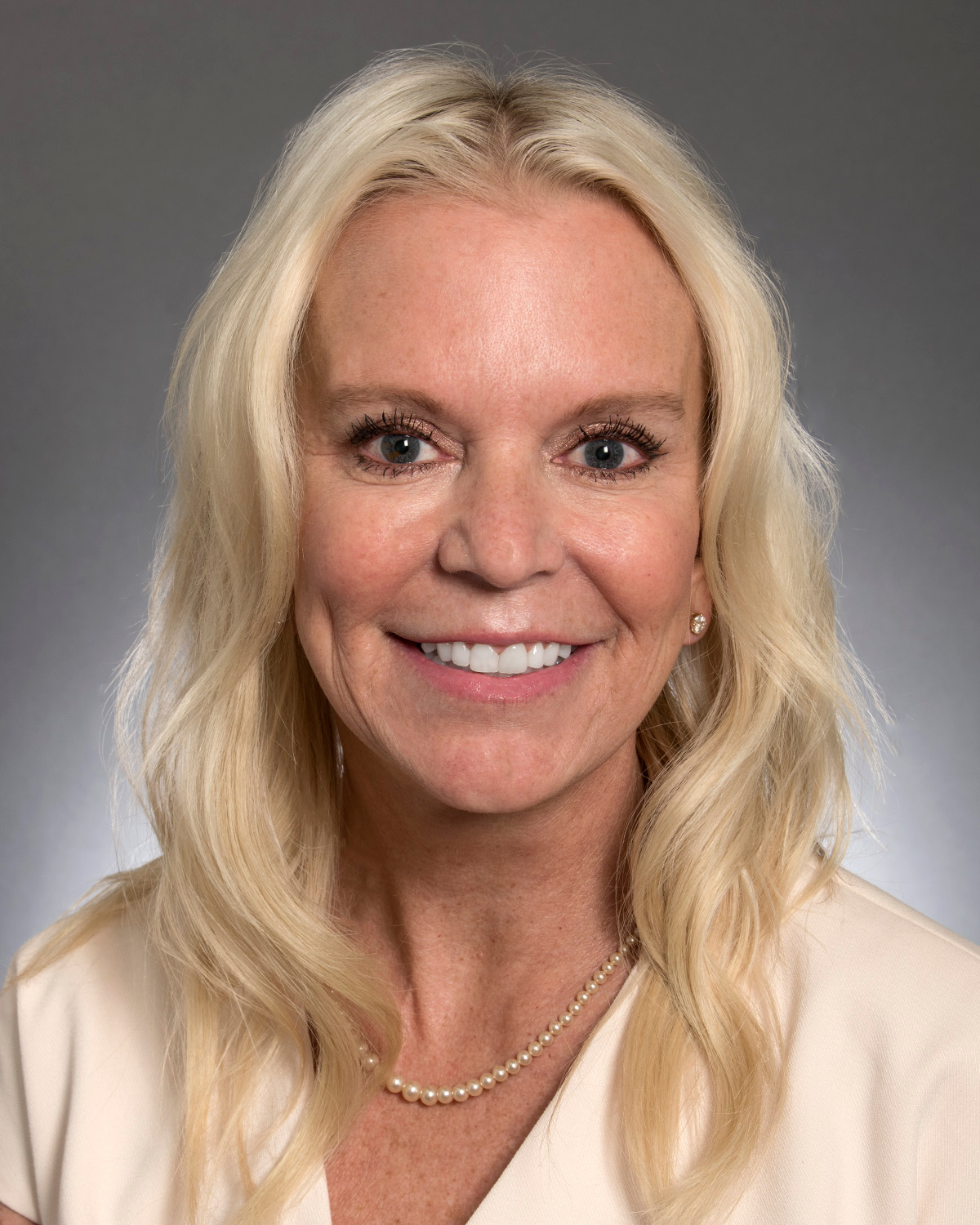
Sponsor: Primary sponsor TBD; Co-sponsor: Karin Housley
Committee referrals: Environment, Climate, and Legacy
Summary
SF 4815 proposes a specific authorization related to the conveyance (sale or transfer) of certain surplus state land. The bill outlines the conditions, procedures, and limitations under which surplus land can be conveyed, with the aim of facilitating timely disposition while preserving public interests and environmental considerations.
Purpose and intent
- To establish or codify a streamlined process for conveying certain parcels of surplus state land.
- To specify criteria, approvals, and constraints to ensure conveys align with state goals (e.g., environmental protection, public use, fiscal considerations).
- To delineate responsibilities among state agencies and, potentially, local governments or other stakeholders in the conveyance process.
Key provisions and changes (as typically included in surplus land conveyance provisions)
- Definition of “surplus land”: Specifies which parcels are eligible for conveyance and under what circumstances land becomes surplus.
- Authority and approvals: Identifies the state agency with authority to convey surplus land and the required procedural steps, including any board or legislative approvals, notices, and timelines.
- Conveyance terms: Sets forth allowable forms of conveyance (sale, lease, conveyance for a public purpose, or other transfers), consideration (purchase price, appraisals, or credit), and any条件 regarding terms, restrictions, or conditions to protect public interests.
- Environmental and land use safeguards: May include requirements to address environmental assessments, remediation obligations, or land-use restrictions (e.g., reversion clauses, perpetual conservation covenants, or compatibility with planned public uses).
- Revenues and disposition: Provisions on how proceeds from a conveyance are to be used (e.g., deposited in a state fund, dedicated accounts, or used for capital projects) and reporting requirements.
- Local government and stakeholder involvement: Provisions for notifications, opportunities for local units of government or affected parties to participate or comment, and any transfer agreements with municipalities or agencies.
- Compliance and oversight: Audit, reporting, and accountability provisions to monitor the conveyance process and ensure adherence to statutory requirements.
Who would be affected
- State agencies responsible for managing surplus land (likely a department such as the Department of Natural Resources, the Department of Administration, or a related land management agency).
- Local governments and municipalities that may be potential recipients or partners in conveyance arrangements.
- Public interests and environmental groups seeking assurance that land transfers do not undermine conservation, recreation, or public access objectives.
- Budgetary and fiscal managers, given potential proceeds from land sales and earmarked uses.
- Affected landowners or neighboring communities near parcels identified as surplus.
Procedural and timeline considerations
- Introduction and first reading occurred on March 25, 2026, with referral to the Environment, Climate, and Legacy committee.
- As a bill in the 2025-2026 session, it may follow standard Minnesota legislative timelines for hearings, amendments, and floor votes. Specific dates for committee action or final passage are not provided in the summary.
Notes
- This summary reflects the broad purpose typical of “surplus land conveyance” provisions. The exact text of SF 4815 would specify the precise definitions, conditions, and procedural steps, which could modify the scope and impact described here.
- The bill has at least one co-sponsor (Karin Housley), indicating transverse legislative interest.
If you would like, I can adjust this summary to reflect the bill’s exact statutory language once the bill text is available, and add any fiscal notes, amendments, or committee vote history.