

WeVote

Bill

Bill

SF 2160

Certain reimbursement amounts increase

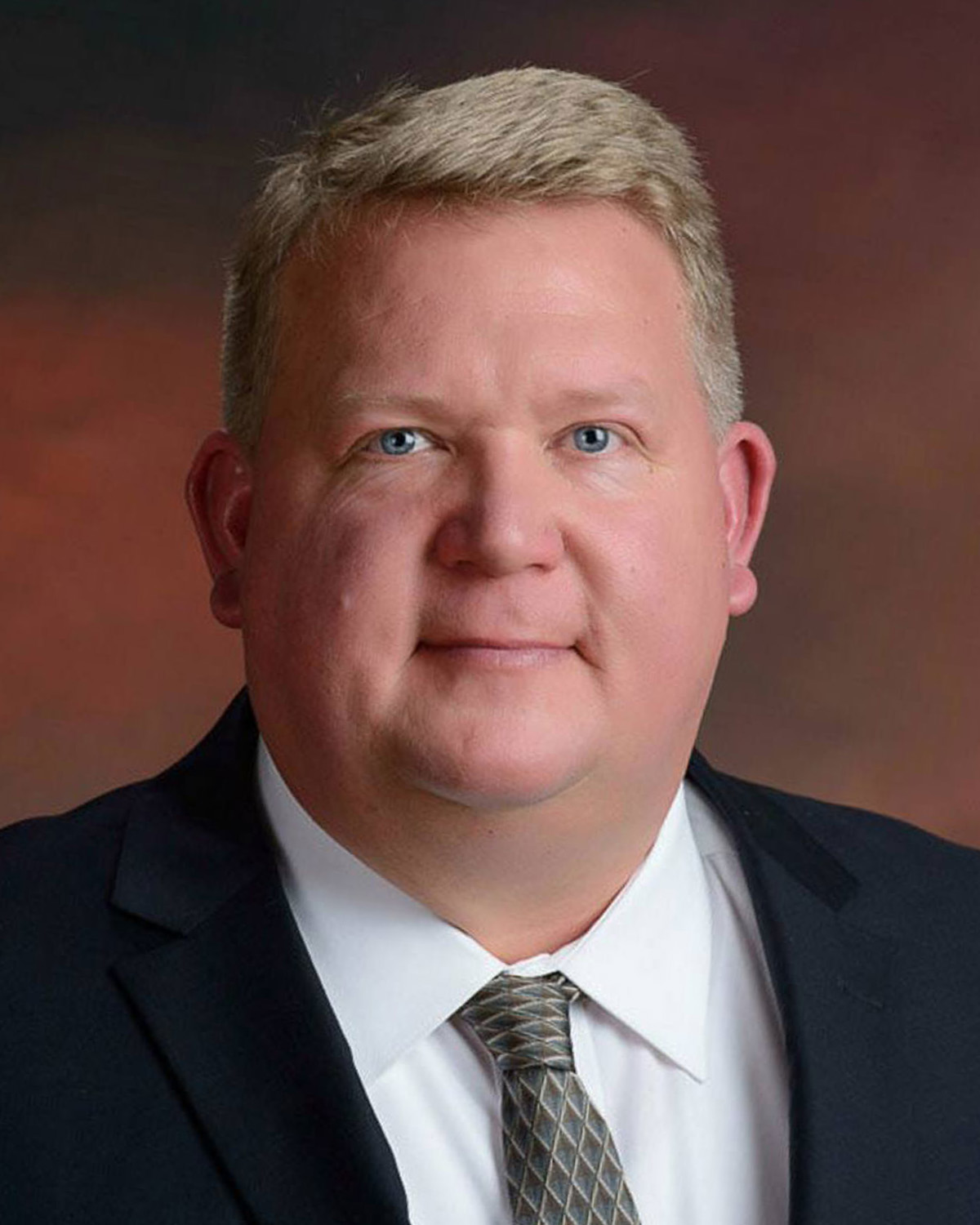
2025-2026 Regular Session Introduced by Rich Draheim

SF 2160 raises certain reimbursements in eminent domain, boosting payments to property owners and related costs when government takes private land.

Referred to Judiciary and Public Safety
0
WeVote Research Nonpartisan
Bill Summary · SF 2160

SF 2160 — Certain reimbursement amounts increase

Overview

  • Bill number: SF 2160
  • Title: Certain reimbursement amounts increase
  • Subject: Eminent Domain, Government-State
  • Status: Referred to Judiciary and Public Safety
  • Introduced: March 6, 2025
  • Companion: HF 1532 (House)

Note: The text of the bill is not provided here. The summary reflects information publicly listed about the bill and the general implications of its title.

What the bill would do (based on the title)

  • The bill appears to modify Minnesota statutes to increase “certain reimbursement amounts” in the context of eminent domain actions carried out by state or local government.
  • Specifically, it likely raises monetary reimbursements that a condemning authority must pay or reimburse to affected parties (e.g., property owners) or to cover related costs incurred during eminent domain proceedings.
  • The exact categories of reimbursements affected (e.g., relocation assistance, moving expenses, appraisal/attorney fees, incidental costs, court costs) and the new amounts would be defined in the statutory text.

Who would be affected

  • Property owners and businesses directly impacted by eminent domain actions (e.g., land takings for public projects).
  • Condemning authorities (state, counties, cities, and other political subdivisions) responsible for providing reimbursements.
  • Potentially attorneys, appraisers, and relocation service providers if their costs are addressed in the reimbursements.

Key procedural and timeline aspects

  • Introduction and first reading: March 6, 2025.
  • Referral: Judiciary and Public Safety committee (as of the introduction date).
  • Next steps (typical legislative path): The bill would move through committee hearings and votes, potentially undergo amendments, and may be considered on the floor of the Senate. If approved, a companion House bill (HF 1532) would similarly advance through the House. Final passage would require concurrence between the Senate and House and, if enacted, signature by the governor to become law.
  • Note: Until the bill text is released, specifics such as exact dollar amounts, the scope of reimbursements, effective dates, and any retroactivity or sunset provisions remain unknown.

Related bill

  • HF 1532 (House companion) — indicates a parallel effort in the House to address the same topic.

Next steps for readers

  • Obtain the full bill text and fiscal notes to confirm:
    • Which reimbursements are increased and by how much (dollar amounts or percentages).
    • Eligibility criteria and whom the increases apply to.
    • Effective date and any phase-in or indexing provisions.
    • Budgetary impact and funding sources.
  • Monitor committee hearings in Judiciary and Public Safety for testimony and amendments.

Compiled from official sources — confirm details with the bill’s official record.

Sign in to ask a question.