

WeVote

Bill

Bill

SF 4692

Certain North Star Promise scholarship program eligibility requirements modifications and North Star Promise scholarships funding amounts modifications

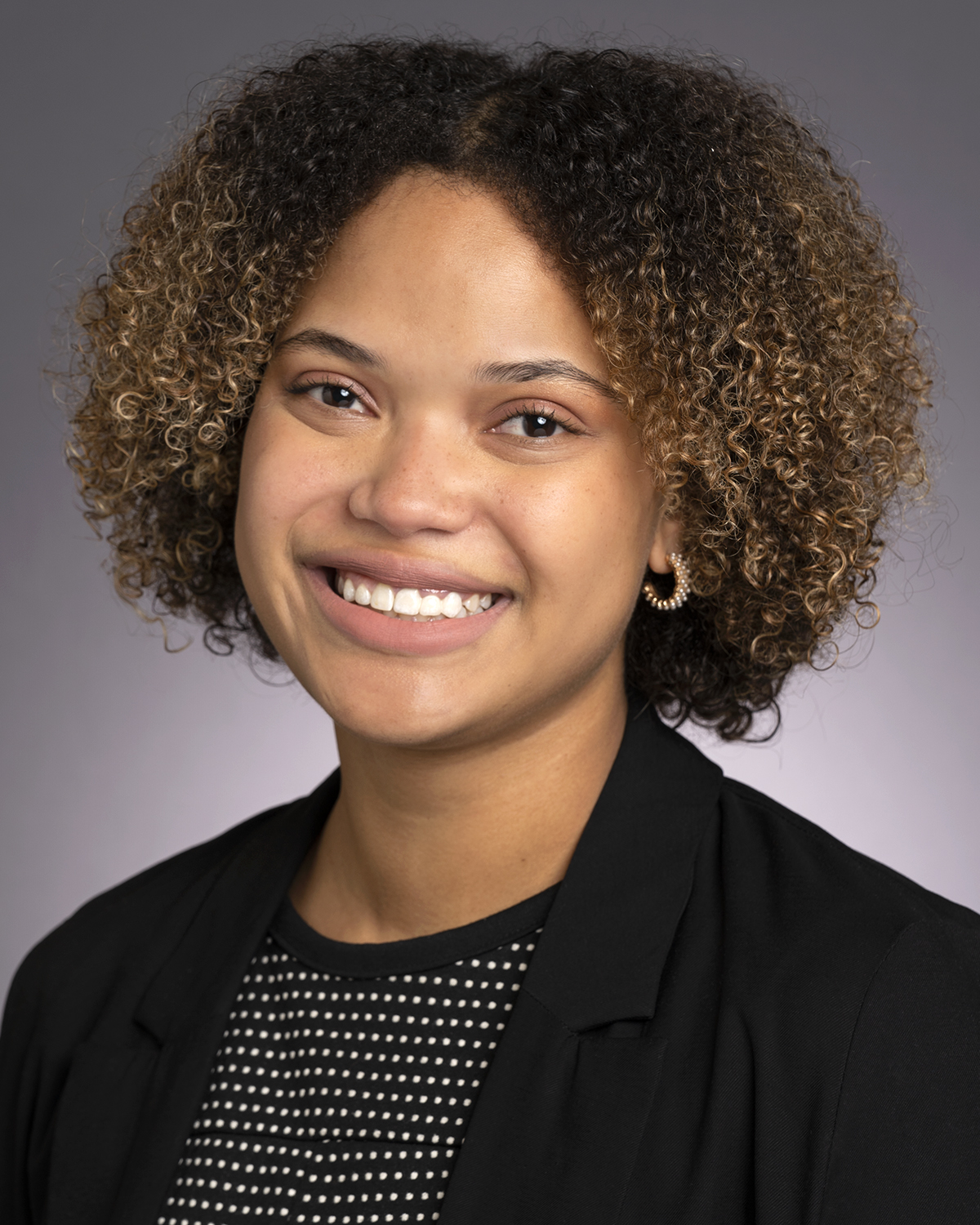
2025-2026 Regular Session Introduced by Clare Oumou Verbeten

The bill refines who qualifies for the North Star Promise scholarships and recalibrates annual award amounts for higher education funding.

Referred to Higher Education
0
WeVote Research Nonpartisan
Bill Summary · SF 4692

Summary: SF 4692 (2025-2026) – North Star Promise Scholarship Program: Eligibility and Funding

Purpose and intent

SF 4692 seeks to modify eligibility requirements for the North Star Promise scholarship program and to adjust funding amounts for North Star Promise scholarships. The bill aims to refine who qualifies for the program and to recalibrate the level of financial support provided to recipients.

Key provisions and changes

  • Eligibility requirements (modifications):

    • The bill makes changes to who is eligible to receive North Star Promise scholarships.
    • It may adjust criteria such as residency, enrollment status (e.g., Minnesota residents or graduates of Minnesota high schools), prior coursework, FAFSA/need-based qualifications, and other program-specific requirements.
    • It could alter eligibility timelines (e.g., qualification windows, continuous enrollment expectations, or recent completion of high school).
  • Funding amounts (modifications):

    • The bill revises the funding amounts associated with North Star Promise scholarships.
    • This could include changes to annual scholarship award amounts, cumulative limits, or contingency funding for increasing or maintaining awards.
    • It may introduce tiered scholarship levels or caps tied to student category or institution type.
  • Program scope and administration:

    • The bill could affect the administration of the scholarship program, including implementation timelines, reporting requirements, or coordination with participating Minnesota colleges and universities.
    • There may be clarifications to how funds are disbursed (e.g., payment schedules, direct-to-institution vs. student disbursements).

Who would be affected

  • Eligible students:

    • Minnesota residents or graduates satisfying the revised eligibility standards.
    • Students seeking funding under the North Star Promise program, including recent high school graduates and potentially other eligible nontraditional students, depending on the final criteria.
  • Educational institutions:

    • Minnesota public colleges and universities participating in the North Star Promise program would administer and disburse funds in accordance with the revised guidelines.
  • State budget and higher education administration:

    • The Minnesota higher education system and the state budget process would be affected by changes in funding levels and allocation formulas.

Procedural and timeline aspects

  • Status: Introduction and first reading on March 23, 2026; referred to the Higher Education committee.
  • Next steps: The bill would proceed through committee hearings, potential amendments, and floor debate in the Minnesota Senate. If advanced, it would move toward floor votes and, subsequently, reconciliation with any companion bill in the Minnesota House.

Notable details to watch

  • Specific numerical changes to eligibility criteria (e.g., GPA thresholds, income limits, residency duration) and precise funding amounts (annual award values, total program funding, and any caps) are not provided in the current summary. The final text will specify these figures.
  • Any sunset provisions, renewal requirements, or performance reporting linked to the funding changes would affect long-term program viability and student outcomes.

If you’d like, I can compare SF 4692 to existing North Star Promise provisions or track its progression through the Minnesota Legislature as more details become available.

Compiled from official sources — confirm details with the bill’s official record.

Sign in to ask a question.