

WeVote

Bill

Bill

SF 3224

Certain individuals working in positions regulated by the United States Department of Transportation exempted from earned sick and safe time requirements provision

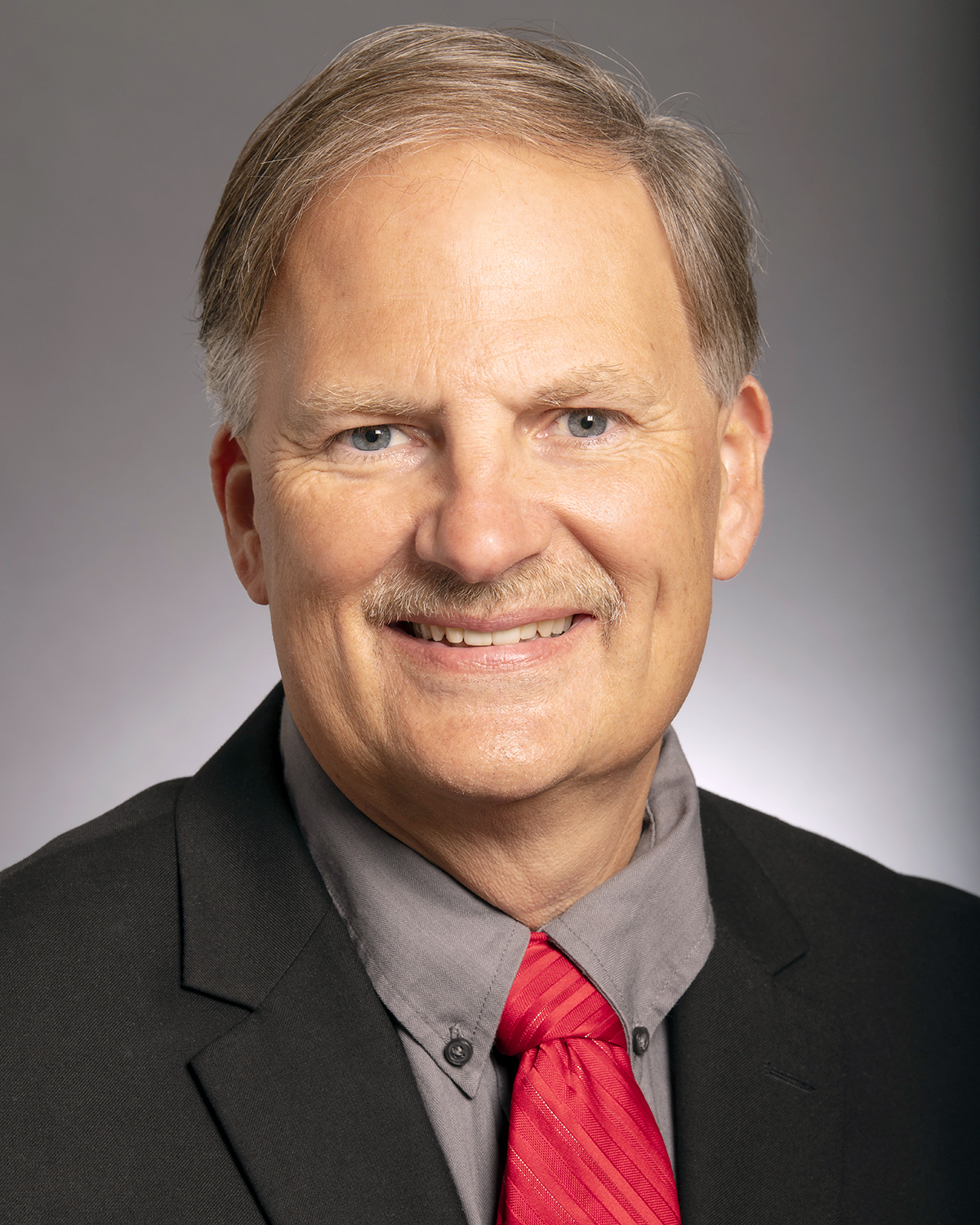
2025-2026 Regular Session Introduced by Gene Dornink

Bill exempts DOT-regulated transportation workers from Minnesota's earned sick and safe time requirements, removing state-mandated paid leave protections for this workforce.

Referred to Labor
0
WeVote Research Nonpartisan
Bill Summary · SF 3224

Legislative bill overview

SF 3224 would exempt certain workers in positions regulated by the U.S. Department of Transportation from Minnesota's earned sick and safe time requirements. The bill creates a carve-out for this specific class of employees, meaning they would not be entitled to accrue or use sick/safe time under state law, even if their employer is otherwise subject to Minnesota's sick time provisions.

Why is this important

Minnesota's earned sick and safe time law requires most employers to provide paid time off for employees to address illness, medical care, or safe leave reasons. This exemption would remove protections for a potentially significant workforce in transportation-related fields, affecting their access to paid leave for health emergencies and potentially impacting workplace health and safety standards.

Potential points of contention

  • Labor protection vs. regulatory alignment: Supporters argue federal DOT regulations may already address worker protections adequately; opponents contend this strips state-level protections without clear justification
  • Scope ambiguity: The bill's language regarding which "positions regulated by" DOT are covered is broad and could affect more workers than intended, or conversely, create enforcement confusion
  • Equity concerns: Removing benefits from transportation workers specifically may disadvantage workers in already-demanding jobs with irregular schedules and limited bargaining power compared to other state workers

Compiled from official sources — confirm details with the bill’s official record.

Sign in to ask a question.