

WeVote

Bill

Bill

SB 1432

central bank digital currency; ban

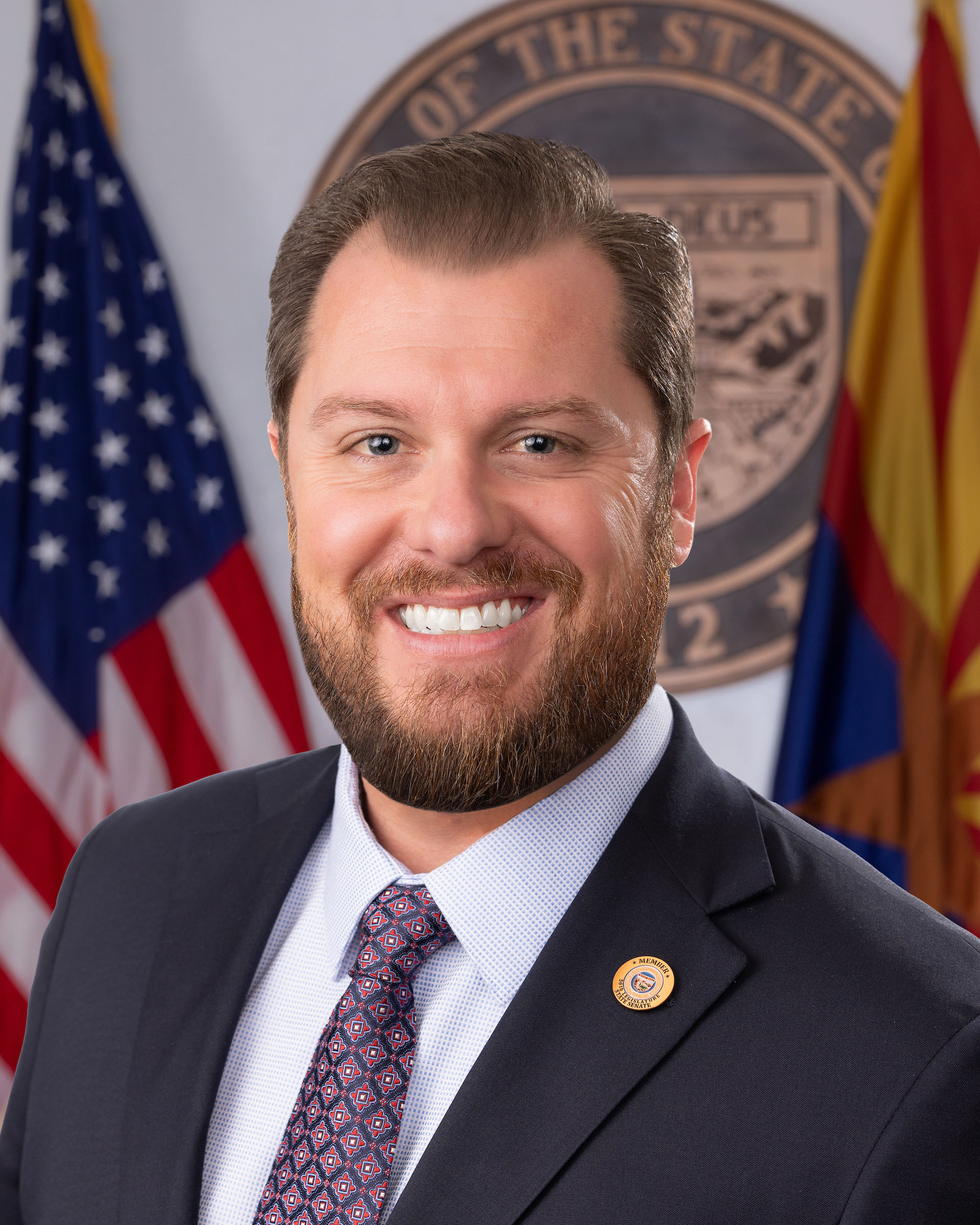
57th Legislature - Second Regular Session Introduced by Jake Hoffman

Arizona bill bans state recognition and use of central bank digital currencies, citing concerns over federal monetary control and financial surveillance capabilities.

House Placed on Consent Calendar
0
WeVote Research Nonpartisan
Bill Summary · SB 1432

Legislative bill overview

SB 1432 would prohibit Arizona from recognizing, accepting, or facilitating the use of any central bank digital currency (CBDC) issued by the Federal Reserve or other central banks. The bill essentially bans state entities and potentially private entities from participating in CBDC systems within Arizona's jurisdiction.

Why is this important

This reflects growing state-level resistance to potential federal monetary control mechanisms. CBDCs could theoretically enable transaction monitoring and spending restrictions at scales previously impossible, raising both financial privacy and individual liberty concerns—though proponents argue CBDCs could modernize payments and reduce criminal finance. This bill signals Arizona's position in an emerging national debate about monetary autonomy and digital financial architecture.

Potential points of contention

  • Federal supremacy: The U.S. Constitution grants Congress exclusive power over coining money and regulating currency; Arizona may lack authority to meaningfully block a federally-issued CBDC
  • Definition ambiguity: The bill's scope regarding what qualifies as a "CBDC" versus other digital payment systems isn't specified, creating enforcement uncertainty
  • Private sector impact: Unclear whether the ban applies only to state government or extends to private businesses and financial institutions operating in Arizona, with significant implications for commerce and banking
  • Practical enforceability: Difficult to prevent Arizona residents or businesses from accessing federal systems if CBDCs are adopted nationally

Compiled from official sources — confirm details with the bill’s official record.

Sign in to ask a question.