

Bill

BILL • US HOUSE

HR 4811

Cell-Site Simulator Warrant Act of 2025

119th Congress
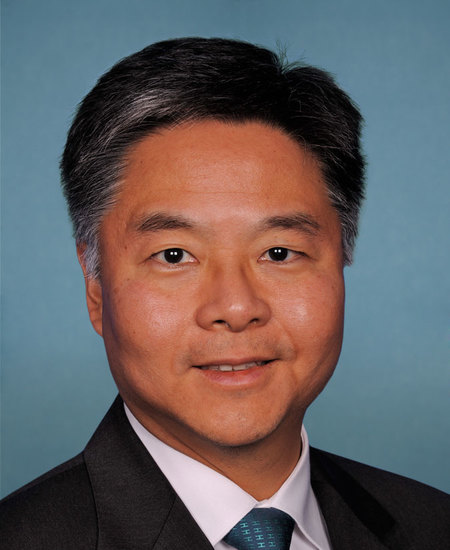
Introduced by Ted Lieu, Tom McClintock,

The Cell-Site Simulator Warrant Act requires law enforcement to obtain warrants for using stingrays, enhancing privacy protections and ensuring accountability in surveillance.

Introduced in House
0
0
Bill Summary • HR 4811

Summary of HR 4811 - Cell-Site Simulator Warrant Act of 2025

Purpose and Intent

The Cell-Site Simulator Warrant Act of 2025 aims to establish clear legal standards and requirements for law enforcement agencies regarding the use of cell-site simulators, commonly known as "stingrays." These devices mimic cell towers to intercept mobile phone signals, allowing law enforcement to track individuals' locations and gather data from their devices. The bill seeks to protect citizens' privacy rights while ensuring that law enforcement can effectively carry out their duties.

Key Provisions

The bill includes several significant provisions:

  • Warrant Requirement: Law enforcement agencies must obtain a warrant before using a cell-site simulator. This warrant must be issued by a judge based on probable cause, ensuring judicial oversight of the use of these surveillance tools.

  • Reporting and Accountability: Agencies are required to report the use of cell-site simulators to a designated oversight body. This includes details on the number of times these devices are used, the types of investigations they are employed in, and the outcomes of those investigations.

  • Data Retention and Deletion: The bill mandates that any data collected through the use of cell-site simulators must be deleted within a specified timeframe unless it is relevant to an ongoing investigation or prosecution.

  • Public Disclosure: Law enforcement agencies must provide public disclosure of their policies regarding the use of cell-site simulators, promoting transparency and accountability.

Who Would Be Affected

This legislation would primarily impact:

  • Law Enforcement Agencies: They will need to adjust their operational protocols to comply with the new warrant requirements and reporting obligations.

  • Citizens: The bill aims to enhance privacy protections for individuals by regulating the use of surveillance technology that can infringe on personal privacy.

  • Judicial System: Courts will play a crucial role in issuing warrants and overseeing the use of cell-site simulators, potentially increasing their workload.

Procedural Aspects

  • Introduced Date: The bill was introduced in the House on July 29, 2025.

  • Committee Review: Upon introduction, HR 4811 was referred to the Committee on the Judiciary, as well as the Committees on Intelligence (Permanent Select), Armed Services, and Energy and Commerce. Each committee will review the bill's provisions relevant to their jurisdiction.

  • Companion Bill: There is a related companion bill, S 2522, which is being considered in the Senate, indicating bipartisan interest in addressing the issues surrounding cell-site simulator usage.

Conclusion

The Cell-Site Simulator Warrant Act of 2025 represents a significant step towards regulating surveillance technology and protecting citizens' privacy rights. By establishing a clear framework for the use of cell-site simulators, the bill aims to balance law enforcement needs with the fundamental rights of individuals. As the bill progresses through the legislative process, its implications for privacy, law enforcement practices, and judicial oversight will be closely monitored.

Hi! I'm your AI assistant for HR 4811. I can help you understand its provisions, impacts, and answer any questions.

Key Provisions Impacts Timeline
Sign in to chat