

WeVote

Bill

Bill

SB 3350

CD CORR-DOC SCAN PRISONER MAIL

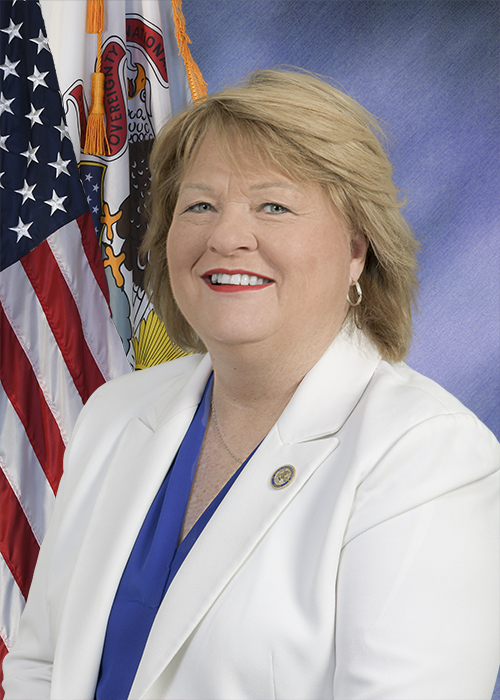
104th Regular Session Introduced by Terri Bryant

Illinois corrections facilities would be authorized to digitally scan and store prisoner mail, with defined security, privacy, and access rules.

0
WeVote Research Nonpartisan
Bill Summary · SB 3350

Summary of SB 3350 (104th Illinois General Assembly)

Purpose and intent

SB 3350, titled “CD CORR-DOC SCAN PRISONER MAIL,” aims to authorize or regulate the scanning of prisoner mail within the Illinois Department of Corrections (CD). The bill’s core purpose is to provide a framework for digitally scanning inmate correspondence, outlining standards, procedures, and potential uses of scanned mail while balancing security, privacy, and administrative efficiency.

Key provisions and changes

  • Electronic scanning of inmate mail: The bill establishes authority for corrections officials to scan or digitize correspondence sent to and from prisoners. It may specify the scope (incoming and/or outgoing mail), the technologies permissible, and the conditions under which scanning occurs.
  • Security and inspection protocols: Provisions likely address how scanned mail is reviewed for contraband, threats, or illegal content, including who may access digital images, what may be redacted, and what retention periods apply.
  • Storage and access of scanned images: The bill delineates requirements for storing digital mail records (formats, encryption, backup, and data retention timelines), and who can access them (corrections staff, supervisory personnel, and possibly other agencies).
  • Privacy and subpoenas/requests: It may include guidelines to protect inmate and recipient privacy, with provisions on permissible disclosures, confidentiality, and compliance with state laws regarding records and surveillance.
  • Cost and implementation: The bill could address funding, implementation timelines, and any pilot or phased rollout requirements for scanning capabilities.
  • Labor/agency impact: It may note effects on corrections staff workload, training requirements, and potential need for new positions or contracts with vendors for scanning technology.

Who/what is affected

  • Prison facilities and inmates: Inmates’ mail practices and their access to digital mail records could be affected, including potential changes to mail handling workflows.
  • Corrections Department (IDOC/CD): Administrative procedures, information security practices, and budgetary considerations for scanning infrastructure.
  • Recipients of prisoner mail: Individuals sending mail to inmates or receiving mail from inmates may experience changes in how mail is processed, stored, or accessed (within privacy rules and lawful access).
  • Internal and external stakeholders: Corrections staff, legal counsel, and potentially oversight bodies that review freedom-of-information or public records requests.

Procedural and timeline aspects

  • The bill would specify effective dates for when scanning authority is to take effect, any phased implementation schedule, and deadlines for establishing protocols, training, and system deployment.
  • It may require periodic reporting or oversight to legislative committees, outlining security incidents, system performance, and compliance with privacy obligations.

Potential impacts to consider

  • Security benefits: Enhanced ability to detect contraband or security threats through digital review of mail.
  • Efficiency gains: Streamlined mail processing, improved searchability of contents, and easier record-keeping.
  • Privacy considerations: Need to safeguard personal communications and ensure lawful access controls to scanned content.
  • Cost implications: Upfront and ongoing costs for hardware, software, storage, and staff training; potential long-term savings from reduced physical storage and streamlined workflows.

Note: This summary is based on the bill title and sponsorship information (SB 3350, 104th Illinois General Assembly, CD CORR-DOC SCAN PRISONER MAIL; Co-sponsor Terri Bryant). For precise language, definitions, specific sections, and statutory cross-references, please refer to the official bill text and fiscal notes from the Illinois General Assembly.

Compiled from official sources — confirm details with the bill’s official record.

Sign in to ask a question.