

WeVote

Bill

Bill

HR 434

CBP Workload Staffing Model Act

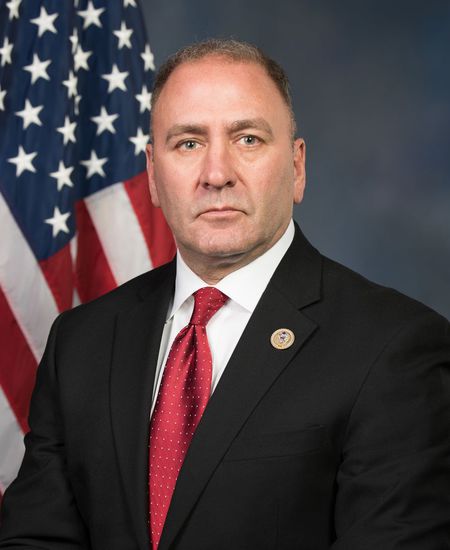
119th Congress Introduced by Clay Higgins

The CBP Workload Staffing Model Act ensures U.S. Customs and Border Protection is adequately staffed to enhance border security and manage immigration effectively.

Introduced in House
0
WeVote Research Nonpartisan
Bill Summary · HR 434

Summary of HR 434: CBP Workload Staffing Model Act

Purpose and Intent

The CBP Workload Staffing Model Act (HR 434) aims to establish a comprehensive staffing model for the U.S. Customs and Border Protection (CBP) agency. The primary intent of the bill is to ensure that CBP is adequately staffed to meet its operational demands and effectively manage border security, customs enforcement, and immigration processes.

Key Provisions

  • Development of a Staffing Model: The bill mandates the creation of a workload staffing model that accurately reflects the operational needs of CBP. This model will take into account various factors, including:

    • Current and projected workload demands
    • Staffing levels required for effective border security
    • Resource allocation for different CBP functions
  • Regular Assessments: The bill requires regular assessments of the staffing model to ensure it remains relevant and responsive to changing conditions at the border. This includes adjustments based on emerging threats, changes in immigration patterns, and evolving trade dynamics.

  • Reporting Requirements: CBP will be obligated to report to Congress on the implementation of the staffing model, including any challenges faced and adjustments made to staffing levels.

Affected Parties

  • U.S. Customs and Border Protection (CBP): The primary agency impacted by this legislation, which will need to adapt its staffing strategies based on the new model.
  • Border Security Personnel: Current and future CBP employees may see changes in staffing levels and operational procedures as a result of the new model.
  • U.S. Citizens and Immigrants: The effectiveness of border security and customs processes may directly affect individuals crossing the border, as well as those involved in trade and immigration.

Procedural Aspects

  • Introduced Date: The bill was introduced in the House on January 15, 2025.
  • Committee Referrals: Upon introduction, HR 434 was referred to:
    • The Subcommittee on Border Security and Enforcement
    • The House Committee on Homeland Security

These referrals indicate that the bill will undergo further scrutiny and discussion within these committees before any potential advancement to the full House for a vote.

Conclusion

The CBP Workload Staffing Model Act (HR 434) represents a significant step towards enhancing the operational efficiency of CBP by establishing a structured approach to staffing based on workload demands. As the bill progresses through the legislative process, it will be crucial to monitor its developments and the implications for border security and immigration enforcement in the United States.

Compiled from official sources — confirm details with the bill’s official record.

Sign in to ask a question.