

WeVote

Bill

Bill

HR 2538

CARE Act of 2025

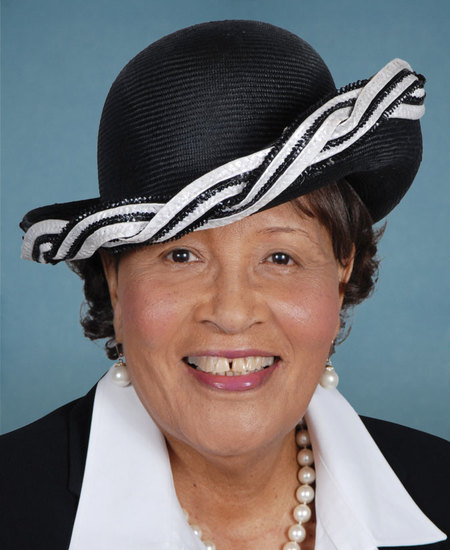
119th Congress Introduced by Alma Adams and 35 co-sponsors

HR 2538 - CARE Act of 2025 OverviewBill Number: HR 2538 Title: CARE Act of 2025 Status: Introduced in House Introduced: April 01, 2025 Purpose and IntentThe CARE Act of 2025 aim

Introduced in House
0
WeVote Research Nonpartisan
Bill Summary · HR 2538

HR 2538 - CARE Act of 2025

Overview

Bill Number: HR 2538
Title: CARE Act of 2025
Status: Introduced in House
Introduced: April 01, 2025

Purpose and Intent

The CARE Act of 2025 aims to establish a comprehensive national program to provide affordable, high-quality childcare and early education services for all families in the United States. The bill's primary goal is to address the growing crisis in access to affordable childcare, which has become a significant barrier to workforce participation, particularly for low- and middle-income families.

Key Provisions

The key provisions of the CARE Act include:

  • Establishing a new federal agency, the Department of Childcare and Early Education (DCEE), to oversee and administer the national childcare program
  • Providing universal access to subsidized childcare services for all children from birth to age 5, with sliding-scale fees based on family income
  • Increasing the minimum qualifications and compensation for childcare workers, including a $15 per hour minimum wage and access to affordable healthcare and retirement benefits
  • Investing $50 billion annually in grants to states and local communities to build new childcare facilities and expand existing programs
  • Implementing quality standards and curriculum guidelines to ensure high-quality early childhood education across all participating providers
  • Offering tax credits and other financial incentives to encourage employer-sponsored childcare benefits

Affected Parties and Impacts

The CARE Act would have a significant impact on several key stakeholder groups:

  • Families with young children: The universal childcare program would provide affordable, high-quality care and education, reducing the financial burden on families and enabling more parents to participate in the workforce.
  • Childcare workers: The bill would improve compensation and benefits for childcare professionals, helping to attract and retain a skilled workforce.
  • State and local governments: The federal grants would support the expansion and improvement of childcare infrastructure, reducing the financial strain on state and local budgets.
  • Employers: Increased access to affordable childcare could boost workforce participation and productivity, benefiting businesses across the country.

Procedural and Timeline Considerations

The CARE Act of 2025 has been introduced in the House of Representatives and is currently in the committee review process. If passed by the House and Senate, the bill would require the establishment of the new DCEE within one year of enactment, with the universal childcare program to be phased in over a 3-year period. The $50 billion in annual funding would be subject to congressional appropriations.

Compiled from official sources — confirm details with the bill’s official record.

Sign in to ask a question.