

WeVote

Bill

Bill

HB 458

CARBON DIOXIDE STORAGE STEWARDSHIP ACT

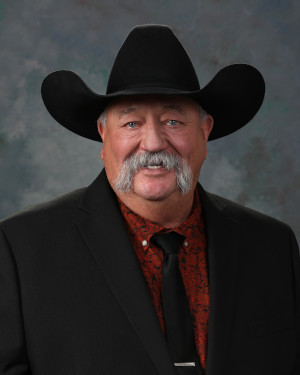
2025 Regular Session Introduced by Jack Chatfield and 4 co-sponsors

New Mexico enacts CO2 storage oversight framework establishing operator liability, monitoring, and financial assurance requirements for permanent underground carbon dioxide sequestration projects.

Signed
0
WeVote Research Nonpartisan
Bill Summary · HB 458

Legislative bill overview

HB 458 establishes a regulatory framework for carbon dioxide storage operations in New Mexico, creating oversight mechanisms and stewardship requirements for entities that permanently store CO2 underground. The bill defines liability standards, monitoring obligations, and financial assurance requirements for CO2 storage projects, positioning the state to manage this emerging industry.

Why is this important

As carbon capture and storage (CCS) technology expands nationally, states need clear legal frameworks to manage long-term geological storage risks while attracting investment. New Mexico's oil and gas infrastructure makes it a potential hub for CCS operations, so this legislation could significantly influence whether the state becomes a leader in carbon management while protecting groundwater and public resources from potential leakage or liability issues.

Potential points of contention

  • Long-term liability: Determining who remains responsible for CO2 storage sites decades or centuries after project closure raises questions about perpetual financial obligations and state assumption of liability risks
  • Groundwater protection standards: The balance between enabling industry development and enforcing strict environmental safeguards for aquifer protection may dissatisfy either environmental advocates or business operators
  • Financial assurance requirements: Disputes may emerge over whether bonding and insurance requirements are sufficient to cover potential remediation costs or if they represent an unfair burden on operators

Compiled from official sources — confirm details with the bill’s official record.

Sign in to ask a question.