

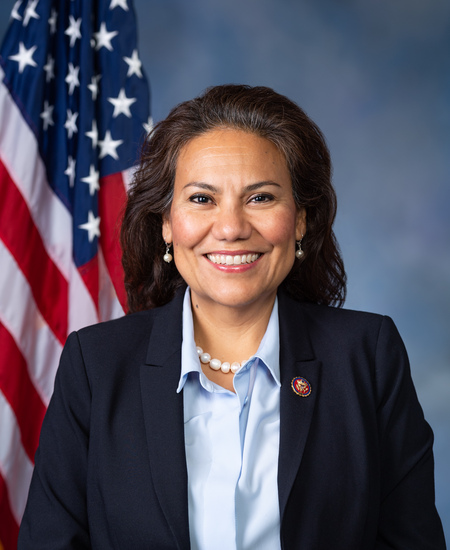
Bill
Bill Summary • HR 2996

Summary: HR 2996 — CAP Act of 2025

Overview

HR 2996 is a bill introduced in the U.S. House of Representatives on April 24, 2025, titled the CAP Act of 2025. The measure has been assigned to the House Committee on Energy and Commerce for consideration. The primary sponsor is Representative Veronica Escobar. At this time, the available information does not include the bill’s text, objectives, or specific policy provisions.

Status and Timeline

  • Introduced: April 24, 2025
  • Referred to: House Committee on Energy and Commerce (on the day of introduction)
  • Current stage: Introduced and referred; no further action documented in the provided materials

Sponsorship

  • Primary sponsor: Veronica Escobar

What we know about the bill

  • Specific purpose, policy changes, funding, and implementation details are not included in the provided materials. The title alone (CAP Act of 2025) does not reveal the precise provisions or the policy area it would address.

What to look for in the full bill

Once the full text is available, key sections to review will typically include:
- Purpose and definitions: What CAP stands for in this context and how terms are defined.
- Provisions and authorities: New programs, mandates, eligibility criteria, or regulatory changes.
- Funding and appropriations: Any authorization of spending or offsetting revenues, duration of funding, and oversight mechanisms.
- Compliance and enforcement: Who enforces the provisions, penalties for noncompliance, and reporting requirements.
- Impacts: Affected entities (federal agencies, states, businesses, consumers), and expected benefits or burdens.
- Timelines: Effective dates, phased implementation, and sunset provisions if applicable.
- Oversight and reporting: Required GAO or agency reports, audits, or performance metrics.

Potential impact (dependent on final text)

  • Stakeholders: Likely to include federal agencies, industry sectors or organizations targeted by CAP-related provisions, and taxpayers if funding is involved.
  • Operational effects: New programs or regulatory changes could impose compliance requirements, modify existing policies, or create new funding streams.
  • Fiscal considerations: Budgetary implications depend on whether the bill authorizes appropriations, reallocates funds, or establishes new revenue sources.

Next steps for readers

  • Obtain the full bill text to assess the exact purpose and provisions.
  • Monitor committee activity (Energy and Commerce) for hearings, amendments, and reported versions.
  • Track sponsor and cosponsor coverage and any companion Senate legislation for alignment or contrasts.

This summary provides the available metadata and a framework for evaluating HR 2996 once the bill text is publicly available.

Hi! I'm your AI assistant for HR 2996. I can help you understand its provisions, impacts, and answer any questions.

Key Provisions Impacts Timeline
Sign in to chat