WeVote

Bill

Bill

HRES 836

Calling on the United States to champion a regional artificial intelligence strategy in the Americas to foster inclusive artificial intelligence systems that combat biases within marginalized groups and promote social justice, economic well-being, and democratic values.

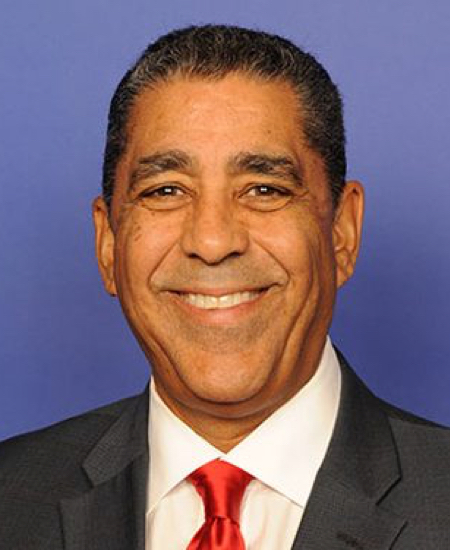
119th Congress Introduced by Adriano Espaillat

HRES 836 calls for the U.S. to lead an inclusive AI strategy in the Americas, promoting social justice and reducing biases for marginalized communities.

Submitted in House
0
WeVote Research Nonpartisan
Bill Summary · HRES 836

Summary of HRES 836: Regional Artificial Intelligence Strategy in the Americas

Bill Number: HRES 836
Title: Calling on the United States to champion a regional artificial intelligence strategy in the Americas to foster inclusive artificial intelligence systems that combat biases within marginalized groups and promote social justice, economic well-being, and democratic values.
Status: Submitted in House
Introduced: October 28, 2025
Classification: Resolution

Purpose and Intent

HRES 836 aims to position the United States as a leader in developing an inclusive artificial intelligence (AI) strategy across the Americas. The resolution emphasizes the importance of creating AI systems that are equitable and just, particularly for marginalized communities. It seeks to ensure that AI technologies promote social justice, economic prosperity, and uphold democratic values.

Key Provisions

The resolution outlines several key provisions:

  1. Recognition of AI Bill of Rights: Applauds the White House Office of Science and Technology Policy for its Blueprint for an AI Bill of Rights, which includes principles to protect civil rights, liberties, and privacy.

  2. Priority on Inclusive AI: Declares that inclusive AI research, design, and deployment should be a priority in U.S. domestic and foreign policy.

  3. Strategic AI Development: Identifies the safe design and deployment of AI in the Western Hemisphere as a strategic priority for U.S. policy.

  4. International Agreement on AI: Calls for the establishment of a ratified agreement on the design and use of automated systems to combat AI misuse and promote social justice.

  5. Investment in AI Education and Infrastructure: Urges the U.S. government to leverage funding for AI education, training, and infrastructure development throughout the Americas.

  6. Establishment of Ethical Frameworks: Advocates for the creation of common ethical standards and regulations for AI development to ensure fairness, accountability, and protection of individual rights.

  7. International Cooperation: Encourages increased collaboration with international organizations to share resources and implement ethical AI governance in the region.

Affected Parties

The resolution primarily impacts:

  • Marginalized Communities: By promoting inclusive AI systems, the resolution aims to reduce biases and improve access to resources for these groups.
  • U.S. Government Agencies: Agencies involved in economic and international development will play a crucial role in implementing the proposed strategies.
  • International Organizations: Groups like the Organization of American States and the Inter-American Development Bank will be key partners in fostering regional cooperation.

Procedural Aspects

  • Committee Referral: On October 28, 2025, the resolution was referred to the Committee on Foreign Affairs and the Committee on Science, Space, and Technology for further consideration.
  • Next Steps: The timeline for further action will be determined by the Speaker of the House.

Conclusion

HRES 836 represents a significant step towards establishing a comprehensive and ethical framework for AI development in the Americas. By prioritizing inclusivity and social justice, the resolution seeks to harness the potential of AI for the benefit of all individuals in the region.


Compiled from official sources — confirm details with the bill’s official record.

Sign in to ask a question.