

WeVote

Bill

Bill

HR 7230

Buying American Cotton Act of 2026

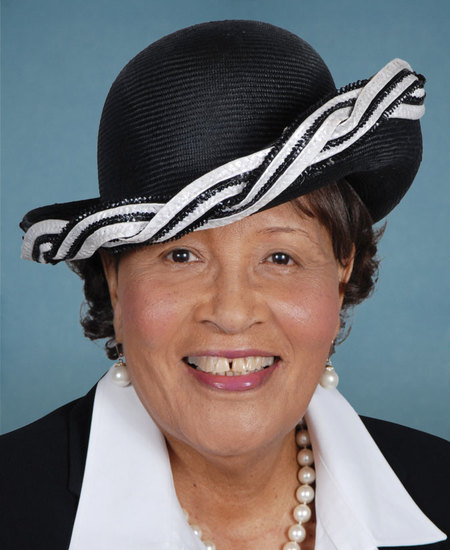
119th Congress Introduced by Alma Adams and 72 co-sponsors

Mandates or prioritizes U.S.-grown cotton in federal procurement to support domestic farmers and boost American cotton industry demand.

Introduced in House
1
WeVote Research Nonpartisan
Bill Summary · HR 7230

Legislative bill overview

HR 7230, the Buying American Cotton Act of 2026, establishes procurement preferences or requirements for domestically produced cotton in federal government purchases and potentially in federally funded projects. The bill aims to boost demand for American-grown cotton and support domestic cotton farmers by prioritizing or mandating U.S. cotton sourcing in government contracts.

Why is this important

Federal procurement represents billions in annual spending, so preferencing American cotton could meaningfully increase demand and prices for domestic producers. This touches on broader trade policy, agricultural support, and "Buy American" initiatives that affect both domestic farming economics and international trade relationships with cotton-producing nations.

Potential points of contention

  • Cost implications: Mandating or preferencing American cotton may increase procurement costs for federal agencies and contractors, potentially raising expenses for taxpayers or reducing budgets available for other priorities
  • Trade agreement conflicts: Such domestic preference requirements could violate international trade agreements (like WTO rules) or trigger retaliatory measures from trading partners
  • Supply chain constraints: Domestic cotton production may not meet all federal demand, creating sourcing challenges or requiring exemptions that weaken the bill's effectiveness
  • Competitive impact: Artificially advantaging domestic cotton affects downstream industries (textiles, apparel) that rely on cost-competitive input sourcing

Compiled from official sources — confirm details with the bill’s official record.

Sign in to ask a question.