

WeVote

Bill

Bill

SB 3768

BUSINESS ASSISTANCE-LICENSING

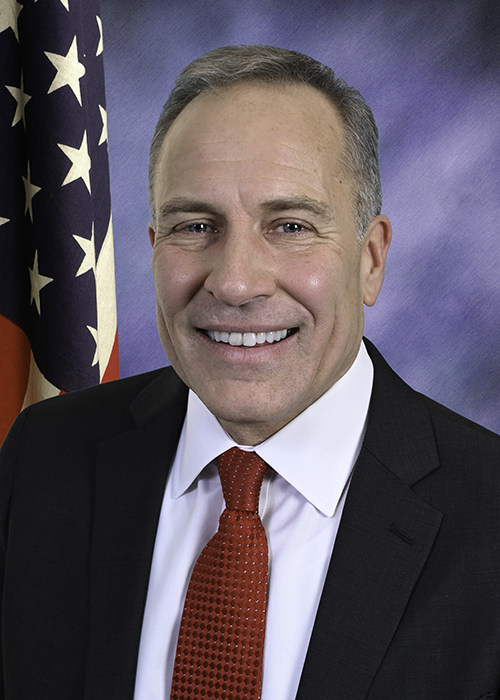
104th Regular Session Introduced by Chris Balkema and 1 co-sponsor

Creates a state-wide Office of Business Permits and Regulatory Assistance to digitalize, coordinate, and streamline Illinois permits, boosting transparency.

Rule 3-9(a) / Re-referred to Assignments
0
WeVote Research Nonpartisan
Bill Summary · SB 3768

Summary of SB3768 (104th General Assembly, Illinois)

Purpose and intent

  • Modernize and streamline Illinois’ business permitting and licensing system.
  • Establish a framework to incentivize state agencies and local governments to use technology to improve transparency, efficiency, and predictability in permitting and licensing.
  • Create an organizational structure to coordinate and oversee permitting reforms across agencies and levels of government.

Key provisions and changes

  • Office of Business Permits and Regulatory Assistance (OBPRA)

    • Created within the Department of Commerce and Economic Opportunity (DCEO; formerly Department of Commerce and Community Affairs).
    • Primary functions: assist businesses in meeting state requirements, track schedules and performance metrics for covered projects, and increase transparency and accountability in permitting and licensing.
  • Online information and assistance

    • OBPRA must provide an online information system and a basic electronic business kit outlining requirements and procedures to do business in Illinois.
    • Establishes a permit assistance manager role (subject to appropriation) to help applicants navigate agency contacts, hearings, and interagency coordination.
  • Digitalization and transparency tools

    • OBPRA to publish an online directory of state business permits and programs.
    • Implement online transparency tools to track timelines, share best practices, display geospatial data related to permitting, and provide a portal with individualized permit/licensing queue information for applicants.
  • Matching grant program for local governments

    • Subject to appropriation, OBPRA may establish a matching grant program to incentivize and assist units of local government in improving the use of technology tools for permitting and licensing processes.
  • Interagency Advisory Committee

    • Establishes the Interagency Business Permitting and Licensing Reform Advisory Committee to coordinate processes and share data.
    • Members include high-level officials from multiple state agencies (e.g., DCEO, EPA, Department of Transportation, Natural Resources, Commerce Commission, State Fire Marshal, Public Health, Secretary of State, Department of Financial and Professional Regulation, and others as needed).
    • DCEO Director can appoint additional stakeholders (e.g., business representatives, labor, local government officials, attorneys, data/tech experts).
  • Business permitting and licensing digitalization pilot program

    • Creates a pilot program to develop an online aggregator/repository containing applicant data and resources for permit/license applicants, coordinated with state agencies.
  • Rulemaking and small-business focus (Section 20)

    • Agencies must scrutinize rules and permitting processes to reduce burdens on small businesses, including:
    • Reducing reporting and paperwork
    • Eliminating unnecessary permits
    • Consolidating duplicative requirements
    • Expediting review and approval procedures
    • Annual permitting/licensing performance reports required, detailing permits/licenses, timelines, throughput, complaints, and technology efforts.
  • Reporting and accountability

    • Agencies must provide processes and timelines for all permits/licenses annually to OBPRA.
    • Office must compile metrics on permit review timelines, decisions, project outcomes, and publish a dashboard accessible to applicants.

Who would be affected

  • State agencies with jurisdiction over permits and licenses (e.g., DCEO, EPA, Transportation, Natural Resources, Commerce Commission, Fire Marshal, Public Health, Secretary of State, Financial and Professional Regulation, etc.)

    • Obligated to cooperate with OBPRA, share timelines, and participate in reform efforts.
    • Subject to annual reporting requirements and potential recommendations to streamline processes.
  • Local governments (counties, cities, towns)

    • Eligible for OBPRA matching grants to improve digital permitting/licensing tools.
  • Business applicants and the general public

    • Beneficiaries of faster, more predictable permit decisions, centralized information, and an online portal with current timelines and status.
  • Advisory committee members and stakeholders

    • Include a broad set of state officials and potentially nonstate stakeholders (business, labor, local government, legal/compliance professionals, data/tech experts).

Procedural and timeline aspects

  • SB3768 was introduced on February 5, 2026 and referred to appropriate committees (including Appropriations).
  • Provisions are subject to appropriation, meaning actual implementation timing depends on budget approval.
  • Annual reporting requirements begin (per current text) on March 1 of 1999 and continue; however, given the legislative context, the bill envisions ongoing annual reporting and reviews once fully implemented.
  • The interagency advisory committee is to coordinate ongoing reforms, with ongoing data sharing and best-practice dissemination.

Potential implications

  • Increased use of technology could reduce processing times and increase transparency for business permitting.
  • Local governments could receive financial and technical support to modernize permitting systems.
  • Agencies may need to revise forms, consolidate permits, and streamline interagency processes.
  • Small businesses could experience lower compliance burdens through targeted rule reviews and performance reporting.

Overall, SB3768 establishes a comprehensive program to digitalize, coordinate, and streamline Illinois’ business permitting and licensing, with strong emphasis on transparency, interagency collaboration, and local government participation.

Compiled from official sources — confirm details with the bill’s official record.

Sign in to ask a question.